
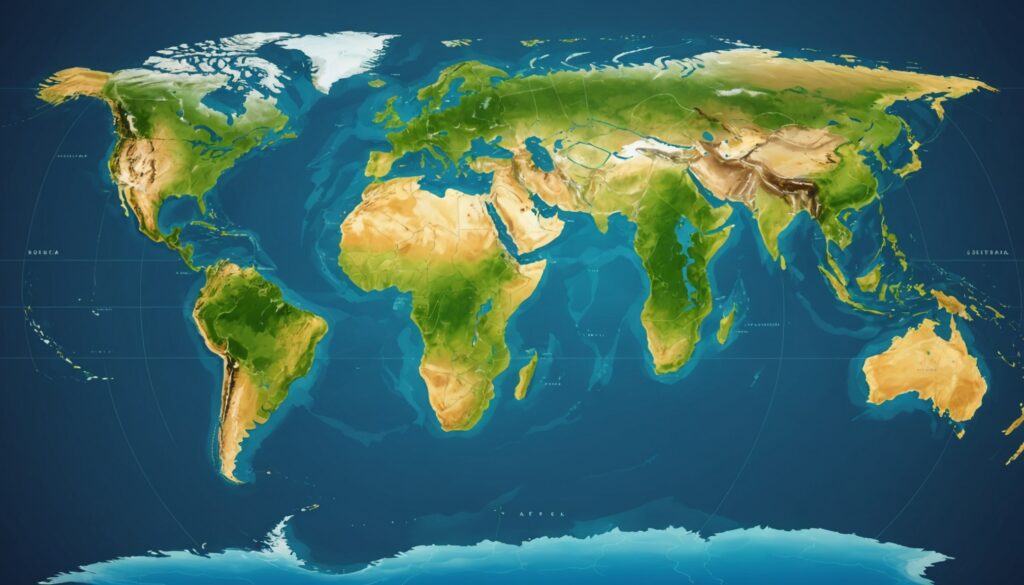




It's a quiet but decisive gathering for humanity's memory. From July 20 through July 29, 2026, the city of Busan, South Korea, is hosting the 48th session of the Committee for UNESCO World Heritage. It's a first for the country, drawing nearly 3,000 participants and representatives from the 196 States Parties to the Convention. At the heart of the discussions: thirty new candidate sites vying for the prestigious List, along with the fate of dozens of others already inscribed.
What's at Stake This Week in Busan
The Committee doesn't just review new candidacies. It also scrutinizes the state of conservation of 147 already-listed sites and rules on requests for modifications. Deliberations on new inscriptions begin on July 24: that's when the thirty bids in the running will learn their verdict, one by one, until the session closes on July 29.
On the eve of the session, the World Heritage List numbered 1,248 properties in 170 countries. Each edition adds natural or cultural sites recognized for their “outstanding universal value.” This gathering carries weight in global cultural news well beyond the circle of experts.
Two French Bids in the Running
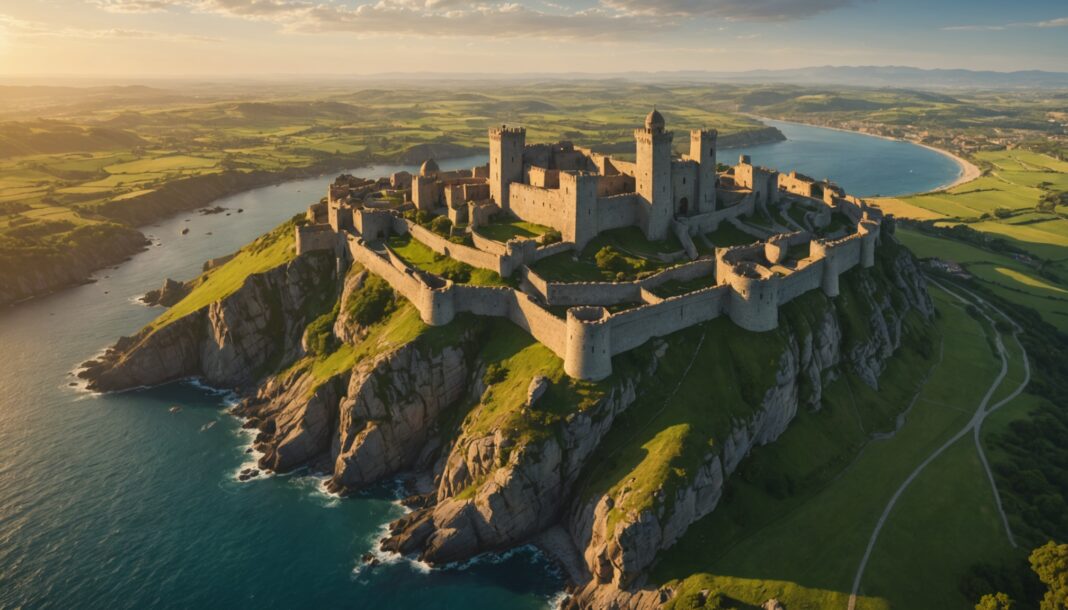
This year, France is championing two candidacies loaded with symbolism. The first concerns the 1944 D-Day landing beaches: Utah, Omaha, Gold, Juno, and Sword, as well as Pointe du Hoc, remnants of the Atlantic Wall, and the Mulberry B artificial harbor at Arromanches. The second concerns the fortresses of the Seneschalsy of Carcassonne (a medieval royal district, 13th-14th centuries), often nicknamed the “Cathar castles”: the citadel of Carcassonne and, around it, the castles of Lastours, Termes, Aguilar, Peyrepertuse, Quéribus, Puilaurens, and Montségur, between the Aude and Ariège departments.
Good news for both bids: they received a favorable opinion from ICOMOS, the International Council on Monuments and Sites, which evaluates cultural candidacies on UNESCO's behalf. It's an encouraging signal, even though the final vote rests with the Committee. These treasures belong as much to art and culture as to travel and tourism.
Climate at the Heart of the Session
Beyond the inscriptions, the States gathered in Busan adopted the Busan Declaration, aimed at strengthening the protection of World Heritage sites against climate change. Rising sea levels, heat waves, wildfires, erosion: many sites, both built and natural, are directly exposed. The issue ties into the broader ecology and climate challenges affecting every region of the globe.
The session is also examining the List of World Heritage in Danger, which flags properties weakened by conflict, disasters, or lack of upkeep. It's a mechanism that can unlock international aid and focus attention on the most threatened sites.
Why an Inscription Changes Everything
Being on the List isn't just an honorary distinction. An inscription brings very concrete consequences:
- Tourist visibility: the label draws visitors and supports the local economy.
- Stronger protection: the State commits to preserving the site and ensuring its sustainable management.
- Access to international expertise and, for endangered sites, to dedicated funding.
- Transmission: the site becomes a shared heritage of humanity, beyond borders.
The flip side: the influx of visitors can strain the most popular sites, forcing managers to regulate visitor numbers to preserve what matters most.
Frequently Asked Questions
When will we know which sites are inscribed in 2026?
Deliberations on the thirty candidacies begin on July 24, 2026, and continue until the session closes on July 29. Results are announced as the votes take place.
How many sites are on the World Heritage List?
On the eve of the Busan session, the List numbered 1,248 cultural and natural properties in 170 countries.
Who decides on inscriptions?
It's the World Heritage Committee, made up of representatives from 21 States Parties, that votes on inscriptions, based on evaluations from advisory bodies such as ICOMOS (cultural sites) and IUCN (natural sites).
Sources
- UNESCO — 48th session of the World Heritage Committee (Busan, 2026)
- Franceinfo — D-Day landing beaches and Carcassonne fortresses
- Le Journal des Arts — Normandy and Occitanie in the running
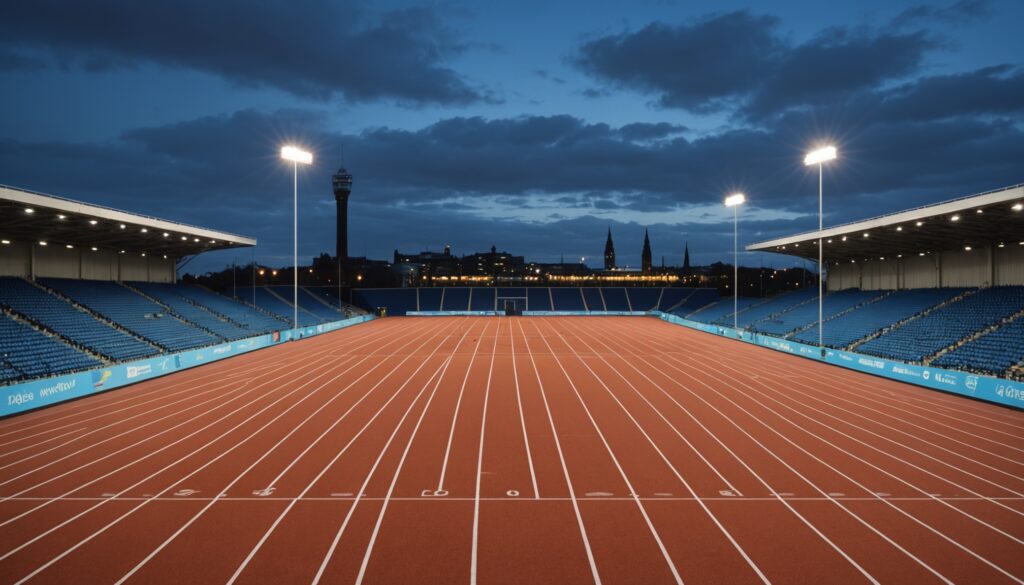
2026 Commonwealth Games: In Glasgow, a Bet on a Leaner Model to Save Mega Sporting Events
Starting July 23, 2026, Glasgow is hosting an edition unlike any other. The 2026 Commonwealth Games run through August 2 in the Scottish metropolis with an unprecedented ambition: to prove that a major global sporting event can survive while costing…
Total Solar Eclipse in Europe: A Rare Phenomenon Finally Returns
On August 12, 2026, the European sky put on a show the continent hadn't seen in nearly three decades: a total solar eclipse. Starting in a remote region of Siberia, the Moon's shadow swept across Greenland, Iceland, then northern Spain…
Olive Oil: Why Spain Is Voluntarily Pulling 188,000 Tons Off the Market
Spanish olive oil is going through an unprecedented episode: rather than letting prices collapse under the weight of an exceptional harvest, the government has chosen to voluntarily pull part of the production off the market. Since November 6, mills across…

Victorian Solar Storm: A Nearly Two-Century-Old Mystery Finally Solved
A train departing sixteen minutes late, a telegraph going haywire on its own, and a century and a half later, scientists reopening the case: this is the story, as quiet as it is fascinating, of a Victorian solar storm whose…

Jellyfish in the Channel: Why the Gravelines Nuclear Plant Had to Shut Down Its Reactors
The weekend of August 8-10, 2026 once again highlighted a little-known vulnerability of France's nuclear fleet: the proliferation of jellyfish in the English Channel. At the Gravelines nuclear plant in northern France, three reactors had to be shut down and…

Gas Reserves in Europe: Why This Winter Looks Tense
Gas reserves in Europe are heading into the cold season in a far more fragile position than usual. According to data from Gas Infrastructure Europe (GIE), European Union storage facilities were only about 63% full at the end of August,…

Autonomous Delivery Robots: France Paves the Way on Its Roads
A text published in the Journal officiel (France's official gazette) on August 7, 2026 changes the game for last-mile delivery in France. The Ministry of Transport now authorizes the homologation of autonomous delivery robots capable of traveling on the roadway,…

Why a $50 Million T-Rex Fossil Has Scientists Worried
A Tyrannosaurus rex skeleton has just shattered every record on the fossil market. Sold for $50.1 million at an auction in New York, this specimen nicknamed “Gus” is now the most expensive dinosaur bone ever sold at auction — and…
This article was written with the help of artificial intelligence. Editorial policy