







Rarely has a diplomatic conference looked so far toward the sky. On September 9 and 10, 2026, France is hosting an International Space Summit at the Grand Palais in Paris, expected to bring together nearly 120 foreign delegations. Announced at the invitation of the President of the Republic and led by special envoys Thomas Pesquet and Hélène Huby, the event aims to set a common course for a sector that has become strategic for the economy, security, and the climate. Here's a closer look at a gathering that reaches far beyond the circle of engineers.
One summit, four priorities
According to the French Ministry for Europe and Foreign Affairs, discussions will be organized around four clearly identified priorities:
- Safety and sustainability of operations in orbit, as collisions and debris keep multiplying;
- Space economy and competitiveness, so that a handful of private players don't end up setting the rules alone;
- Governance and responsible management of outer space, a legal undertaking that is still largely unresolved;
- Scientific exploration, from the Moon to Mars, and technological innovation.
Behind this agenda lies a stated conviction: outer space can no longer be treated as a frontier for isolated conquest, but must be managed collectively as a shared resource. That's precisely what genuine international cooperation is about, a recurring theme in our International News coverage.
Why now? Low orbit is getting crowded
The timing is no accident. Low Earth orbit is experiencing unprecedented congestion with the rise of satellite mega-constellations, which promise worldwide connectivity but raise dizzying questions: traffic management, sharing of radio frequencies, and the risk of chain-reaction collisions. Without a shared framework, every additional launch increases the odds of an incident. The summit is specifically meant to align national agendas before the situation becomes unmanageable. These topics tie directly into our Science and Technology coverage.
The climate: the surprise guest of the space dialogue
A common thread runs through the event's organization: “coming together to act for the planet.” Far from the imagery of science fiction, satellites are now essential Earth-observation tools for tracking climate change, natural disasters, and deforestation. Ensuring fair access to this data, and preserving the sustainability of the orbits that carry it, is an issue directly tied to Ecology and Climate concerns.
What could actually come out of it
Nothing is a done deal, and intentions must be kept separate from outcomes. Still, several possibilities are on the table:
- shared principles on the responsible management of orbital traffic;
- a high-level dialogue among states, international organizations, and private players, who have long been kept at arm's length from diplomatic forums;
- a discussion on skills development and fair access to the benefits of space for emerging countries.
One major unknown remains: whether the major spacefaring powers can reach agreement in a tense geopolitical context. History will tell whether this summit turns out to be a turning point or just another statement of intent.
Frequently asked questions
When and where is the International Space Summit taking place?
On September 9 and 10, 2026, at the Grand Palais in Paris, at the invitation of the French presidency.
Who are the summit's special envoys?
Astronaut Thomas Pesquet and executive Hélène Huby have been named special envoys to represent the many facets of the sector, from science to competitiveness.
How many countries are expected?
Nearly 120 foreign delegations are expected, making it one of the largest diplomatic gatherings ever devoted to space affairs.
Sources
- French Ministry for Europe and Foreign Affairs — The International Space Summit
- GIFAS — The International Space Summit will be held September 9-10, 2026

Gas Reserves in Europe: Why This Winter Looks Tense
Gas reserves in Europe are heading into the cold season in a far more fragile position than usual. According to data from Gas Infrastructure Europe (GIE), European Union storage facilities were only about 63% full at the end of August,…
World's Longest Cargo Flight: Boeing 777 Links Scotland to Australia Nonstop
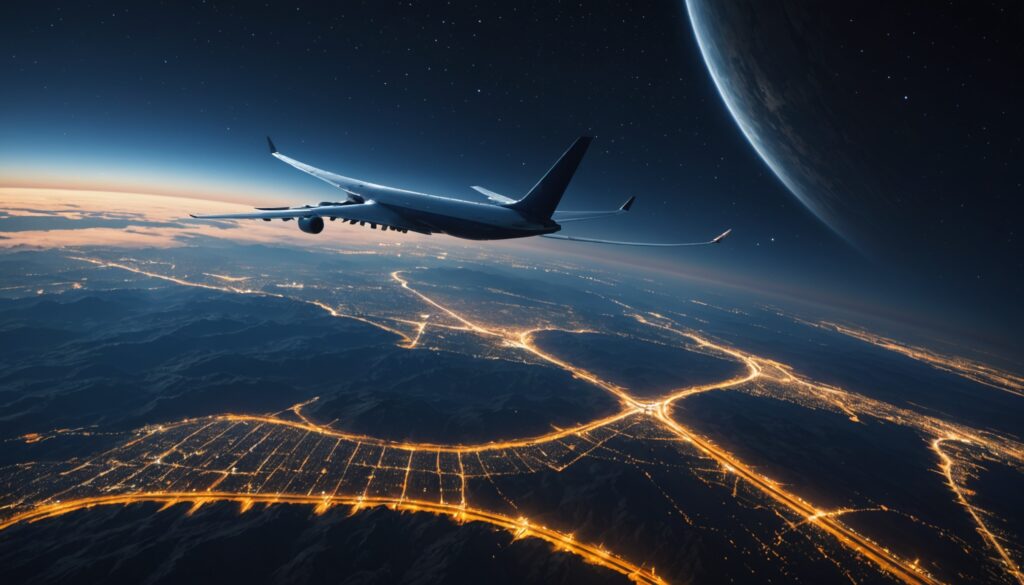
A world-record cargo flight has just been set across two hemispheres, and it's enough to make engineers and aviation enthusiasts alike feel dizzy. On August 4 and 5, 2026, a Boeing 777 Freighter operated by American airline National Airlines flew…

International Criminal Court: Chad Joins the African Exodus
On July 27, 2026, N'Djamena officially announced its withdrawal from the Rome Statute, the founding treaty of the International Criminal Court (ICC). Chad thus becomes the fourth African country to walk away from the Hague-based court since 2025, following Burkina…

Autonomous Delivery Robots: France Paves the Way on Its Roads
A text published in the Journal officiel (France's official gazette) on August 7, 2026 changes the game for last-mile delivery in France. The Ministry of Transport now authorizes the homologation of autonomous delivery robots capable of traveling on the roadway,…
Exceptional El Niño: Why Meteorologists Worldwide Are Worried About the Coming Winter
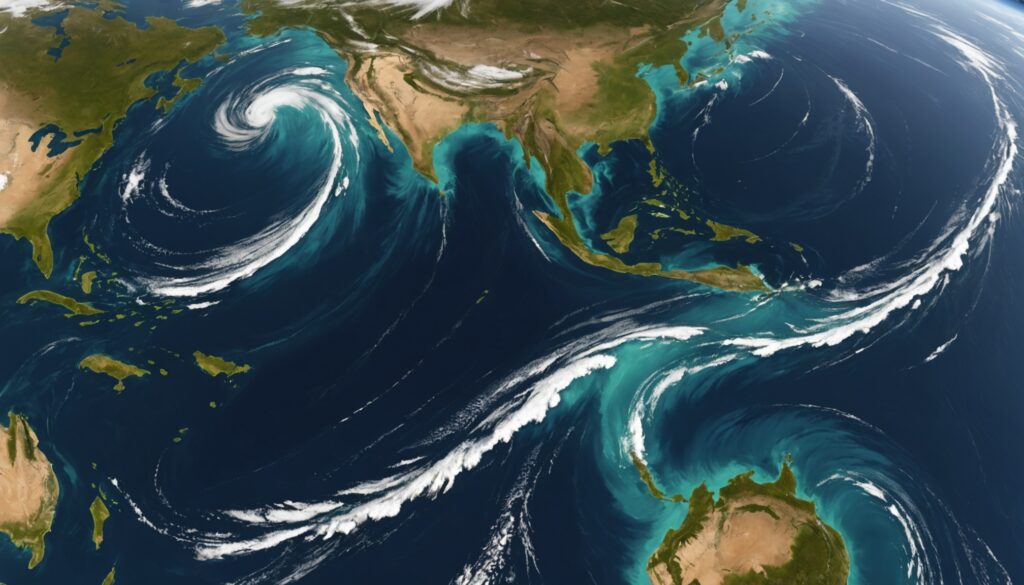
World's major meteorological centers are unanimous: an exceptional El Niño episode is forming in the Pacific, and it could break every record observed since modern measurements began in 1950. According to the American agency NOAA and the World Meteorological Organization…

Victorian Solar Storm: A Nearly Two-Century-Old Mystery Finally Solved
A train departing sixteen minutes late, a telegraph going haywire on its own, and a century and a half later, scientists reopening the case: this is the story, as quiet as it is fascinating, of a Victorian solar storm whose…

Olive Oil: Why Spain Is Voluntarily Pulling 188,000 Tons Off the Market
Spanish olive oil is going through an unprecedented episode: rather than letting prices collapse under the weight of an exceptional harvest, the government has chosen to voluntarily pull part of the production off the market. Since November 6, mills across…
South Korean Container Ship Blazes New Arctic Trade Route
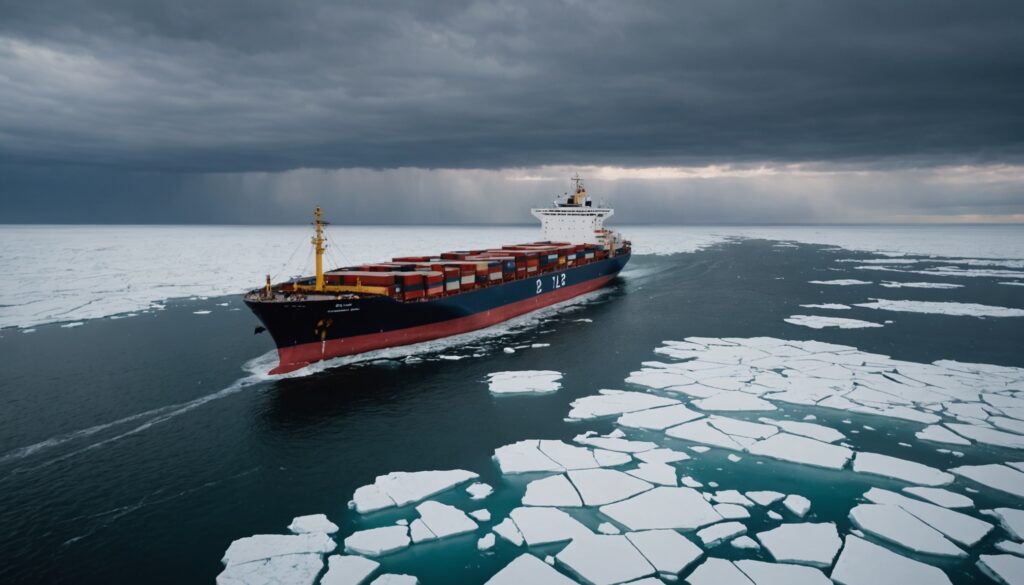
On Saturday, August 22, 2026, a container ship left the South Korean port of Busan bound for Europe. Nothing extraordinary at first glance, except that this ship will take neither the Suez Canal nor the Strait of Malacca: it will…
This article was written with the help of artificial intelligence. Editorial policy