



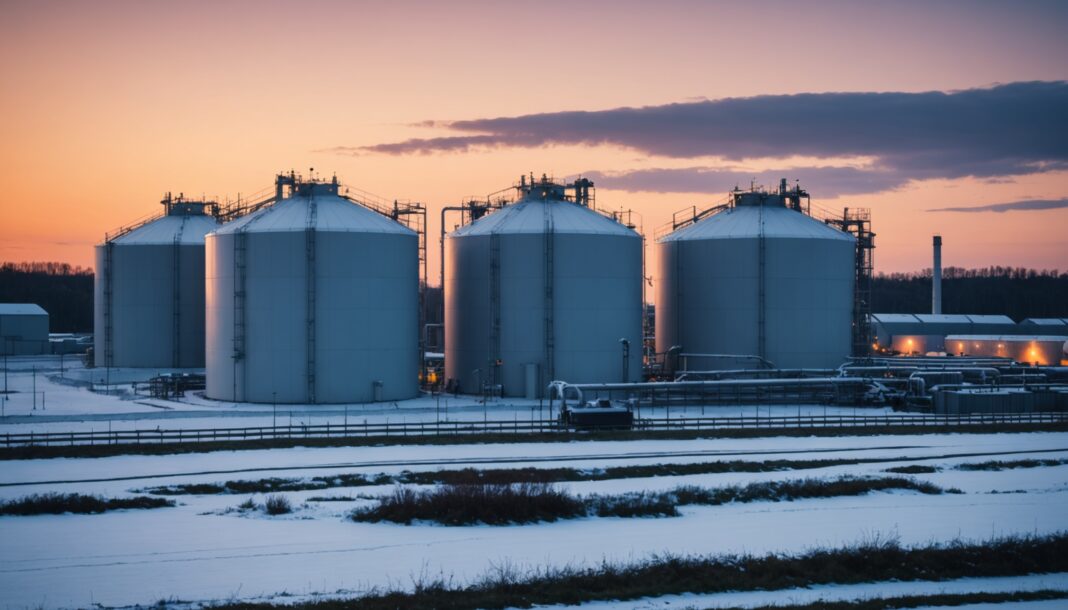

Gas reserves in Europe are heading into the cold season in a far more fragile position than usual. According to data from Gas Infrastructure Europe (GIE), European Union storage facilities were only about 63% full at the end of August, compared with nearly 80% on average over the past five years at the same time of year. That's the lowest level in thirteen years, just weeks before the start of the heating season.
A disappointing summer refill
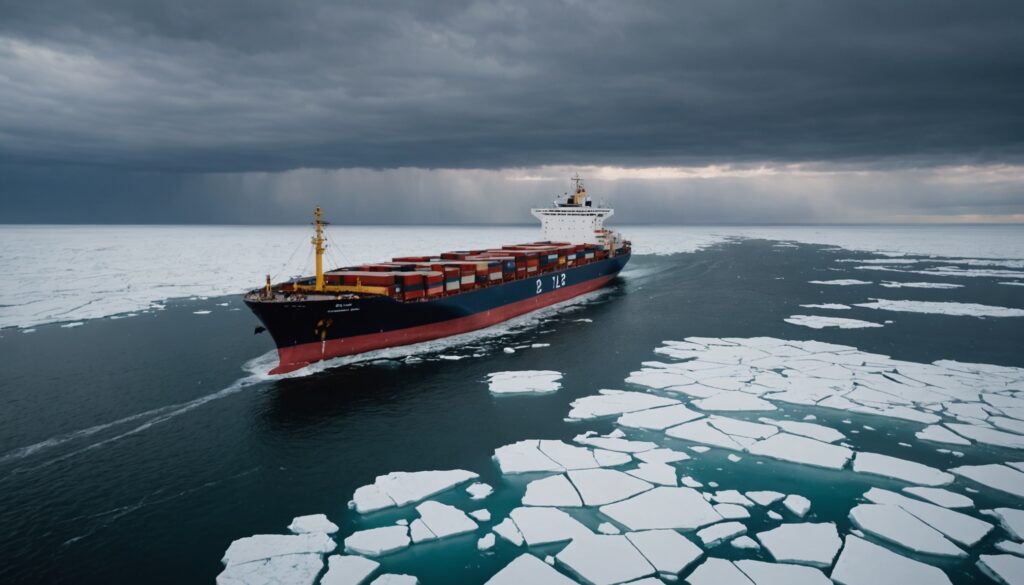
Every summer, suppliers and traders are theoretically supposed to take advantage of lower prices to rebuild stocks before winter. This year, that plan fell short: prices stayed high all summer, making storage barely profitable. Two events weighed heavily on the balance. On one hand, tensions in the Middle East disrupted the Strait of Hormuz, through which about 20% of the world's liquefied natural gas passes, much of it from Qatar. On the other hand, the European Union is continuing its planned exit from Russian gas under the RepowerEU plan, cutting into a historic supply source without alternative volumes fully making up the difference.
What impact on prices this winter?
Market analysts aren't ruling out a return to price levels unseen since the 2022 energy crisis, with some pointing to a threshold above €100 per megawatt-hour if American LNG flows, in high demand from Asia, were to fall short in Europe. Such a scenario would put the question of energy prices right back at the center of household budgets, just months after debates over the rise in electricity rates this fall.
For households looking to plan ahead, several options already exist: switching energy suppliers remains worth considering before demand peaks, as does speeding up renovation work through the energy renovation grants still available. Some households are also turning to green energy suppliers, whose offerings continue to diversify as the market evolves.
Key takeaways
- EU gas stocks have hit their lowest fill level in 13 years heading into winter.
- Partial disruption of Middle East supply routes and the exit from Russian gas largely explain the shortfall.
- A harsh winter could push prices back up to levels not seen since 2022.
- Planning ahead on consumption and comparing offers remain the best individual protection against price volatility.
This situation shows just how much Europe's energy balance still depends on events beyond the continent, caught between geopolitics and global trade decisions—a topic worth watching closely in the coming weeks of winter consumption, as well as in the broader news on ecology and climate.
Frequently asked questions
Why are European gas reserves so low this year?
High prices throughout the summer discouraged the usual refilling, while tensions in the Middle East and the exit from Russian gas limited available volumes.
Will energy prices rise this winter?
Analysts point to a risk of a significant increase if winter is harsh, though nothing is certain at this stage since it will depend on weather conditions and global liquefied natural gas flows.
What can households do to protect themselves?
Comparing suppliers, considering a green energy offer, and starting energy renovation work are the most accessible short-term options.
Sources
France 24, Bloomberg, and Toute l'Europe.
Asteroids: China and Japan Pull Off a Double Space Feat Three Days Apart
The first week of July 2026 will be remembered as a rare moment in space exploration: three days apart, two Asian probes successfully rendezvoused with some of the smallest asteroids ever approached. The Chinese probe Tianwen-2 settled in near Kamoʻoalewa,…
UNESCO World Heritage: In Busan, 30 Sites in the Running and Two French Hopefuls
It's a quiet but decisive gathering for humanity's memory. From July 20 through July 29, 2026, the city of Busan, South Korea, is hosting the 48th session of the Committee for UNESCO World Heritage. It's a first for the country,…
International Criminal Court: Chad Joins the African Exodus
On July 27, 2026, N'Djamena officially announced its withdrawal from the Rome Statute, the founding treaty of the International Criminal Court (ICC). Chad thus becomes the fourth African country to walk away from the Hague-based court since 2025, following Burkina…
Exceptional El Niño: Why Meteorologists Worldwide Are Worried About the Coming Winter
World's major meteorological centers are unanimous: an exceptional El Niño episode is forming in the Pacific, and it could break every record observed since modern measurements began in 1950. According to the American agency NOAA and the World Meteorological Organization…

PISA: Gap Between Advantaged and Disadvantaged Students Widens in France
On September 8, the OECD released the results of its PISA 2025 survey, conducted among more than 760,000 15-year-old students in 91 countries and regions. In France, the findings go beyond a simple drop in the rankings: it is above…

Panama Canal: Drought Forces Drastic Cut to Shipping Traffic
The Panama Canal will reduce its shipping traffic starting September 3, in the midst of a drought driven by the El Niño climate phenomenon. The canal authority (ACP) confirmed on Thursday that the number of ships allowed to transit each…

Autonomous Delivery Robots: France Paves the Way on Its Roads
A text published in the Journal officiel (France's official gazette) on August 7, 2026 changes the game for last-mile delivery in France. The Ministry of Transport now authorizes the homologation of autonomous delivery robots capable of traveling on the roadway,…

Ebola in the Democratic Republic of Congo: Unprecedented Clinical Trial to Test New Vaccine
A turning point may be emerging in the fight against one of the worst Ebola outbreaks ever recorded. On October 23, 2026, in Bunia, in the Ituri province in the northeast of the Democratic Republic of the Congo (DRC), the…
This article was written with the help of artificial intelligence. Editorial policy