

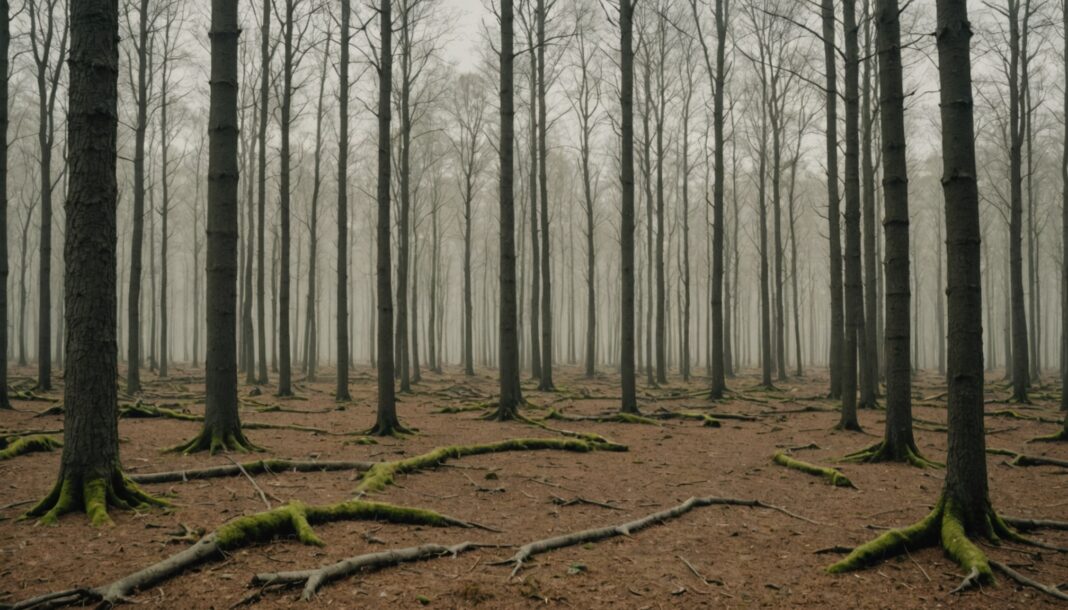

They gain ground every year, yet they have never been so fragile. The latest national forest inventory, published in early July 2026 by the IGN (France's national mapping and forestry information institute), paints a contrasting picture: French forests continue to expand, while their health is declining sharply under the effects of climate change. It's a warning sign for an ecosystem long considered one of France's best allies in the fight against global warming.
A Forest That Has Never Covered So Much Land
With 17.6 million hectares in 2024, forests now cover roughly a third of mainland France and Corsica, 900,000 hectares more than ten years ago. The pace of this expansion has sharply accelerated: forests are now growing by about 90,000 hectares a year, compared with an average of 50,000 hectares a year over the last century. This dynamic is driven by the abandonment of farmland and the natural reclaiming of certain rural areas.
An Unprecedented Decline in Forest Health
That's the second finding of this new edition of France's sustainable forest management indicators, and a far more worrying one. The IGN's field surveys show a buildup of alarming signals:
- Tree mortality has jumped 125 percent in ten years;
- Attacks by pathogens (fungi, wood-boring insects) have increased 175 percent since 2015;
- The share of broadleaf trees showing severe foliage loss reached 15.3 percent in 2025, up from just 2.2 percent in 1997;
- 8 percent of trees now show visible decline or dieback, a share that keeps rising.
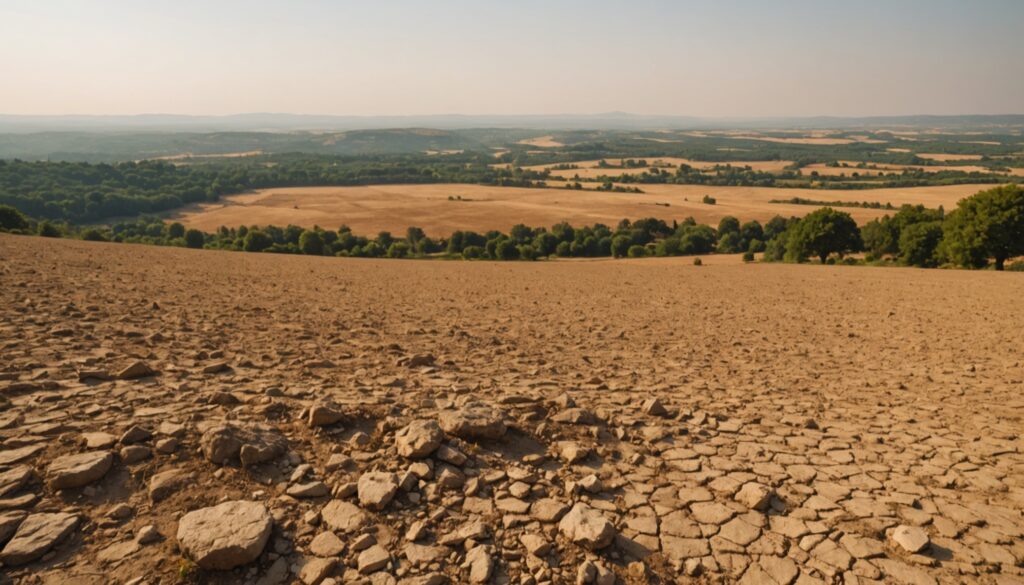
According to the IGN and the French Ministry of Agriculture, the causes of this decline are now well understood: repeated droughts, the spread of pests and pathogens, and a rise in wildfires are steadily weakening tree stands, particularly in the regions most exposed to water stress.
France's Carbon Sink Weakened
This trend is not without consequences for the role forests play in the ecological transition. In 2024, French forests stored 1.35 billion tons of carbon, with an average density of 82 tons per hectare, up from 73 tons in 2009 — a 21 percent increase in fifteen years. That figure might sound reassuring, but the IGN warns that in several regions, mortality and harvesting now exceed trees' biological production, which undermines the forest's ability to keep absorbing CO2 at the same pace as in the past.
In practical terms, a forest that is growing in area but whose trees are dying faster than they can grow sees its effectiveness as a carbon sink decline, even as France relies on this very lever to meet its climate targets. This finding ties into issues we follow closely in our Science and Technology section and in Politics – Government Decisions coverage, where decisions on the ecological transition are regularly analyzed.
Why This Study Changes the Picture
Published for the first time with this level of detail on health crises, this edition of the national forest inventory handbook is meant to serve as a basis for public policy on sustainable forest management. It is being closely followed by local governments and players in the timber industry, much like other recent decisions affecting the country, which you can find in our Local and National News section. For forest managers, the challenge now is to adapt the species planted and forestry practices to a drier, more unstable climate.
Frequently Asked Questions
Why is the French forest expanding even as its health declines?
The two trends aren't contradictory: the growth in forest area mainly comes from the reclaiming of abandoned farmland, while the decline in health affects trees already in place, weakened by droughts and pests and pathogens.
Does the French forest still absorb as much CO2 as before?
The overall carbon stock keeps growing, but the IGN points out that in several regions, mortality and logging now exceed trees' biological growth, which reduces those areas' ability to fully play their role as a carbon sink.
Which regions are most affected by this decline?
The areas most exposed to repeated droughts and heat waves are the most affected, with a marked rise in attacks by fungi and wood-boring insects since 2015, according to the IGN's field surveys.
Sources
IGN — French Forests in 2026: Sustainable Management Put to the Test by Global Change
French Ministry of Agriculture — Forest Health Now Included in the National Forest Inventory Handbook
CNPF — 2025 Handbook of the IGN Forest Inventory
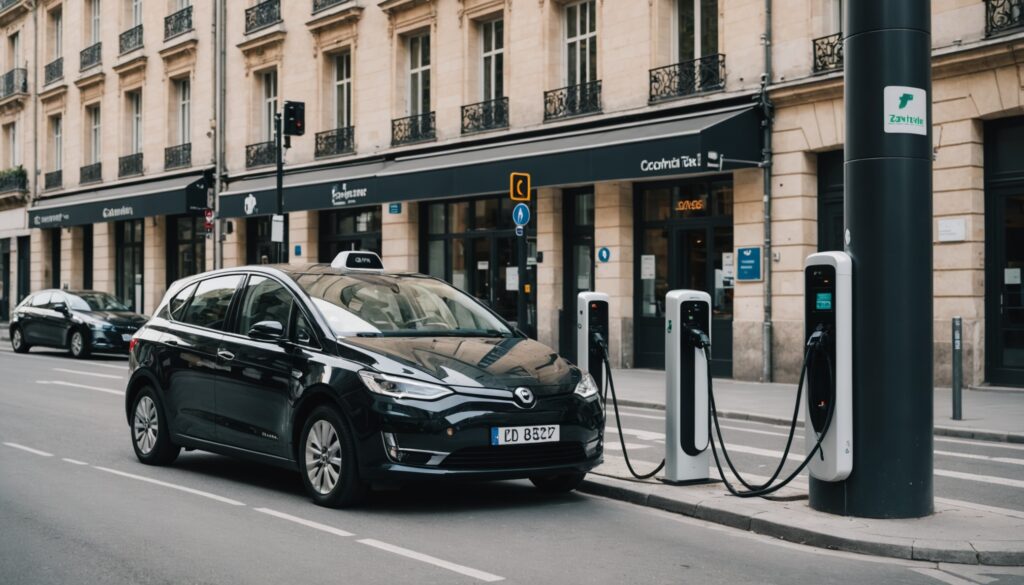
Electric Taxis: Up to €5,500 in Aid for Drivers
Driving all day to transport passengers is one of the most intensive uses a car can get. To speed up the electric transition of this heavily used fleet, the French government has introduced a financial aid program dedicated to taxis,…
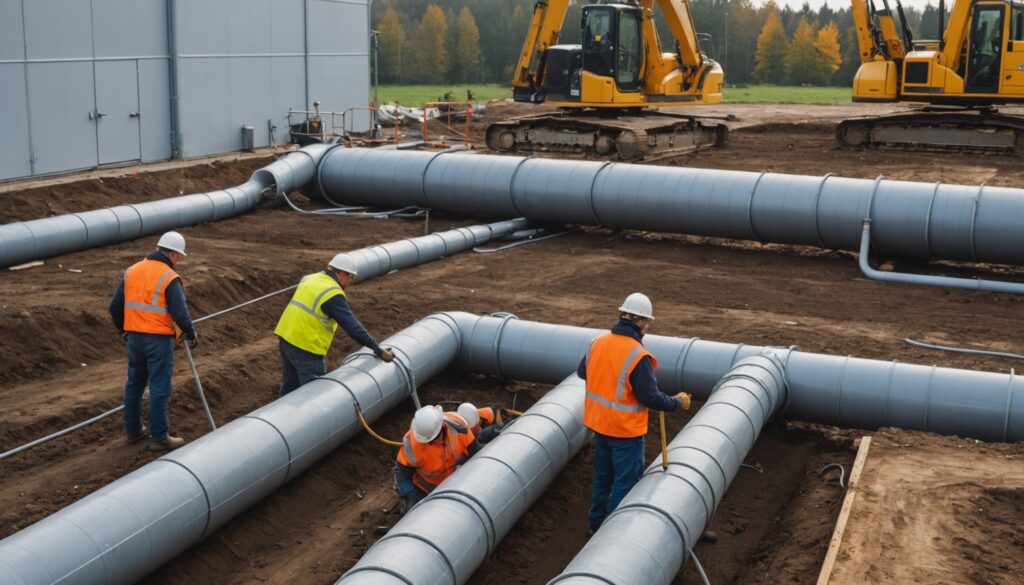
Fonds Chaleur Suspended: What the Decision Means for Local Governments and Households
The French government has just suspended the Fonds Chaleur, the Ademe (France's agency for ecological transition) program that has funded renewable heating and cooling networks since 2009: biomass, geothermal, solar thermal, and industrial waste heat recovery. Announced on November 3…

Marine Heat Waves: Why the Oceans Have Never Been This Hot
Sauna conditions beneath the waves: marine heat waves have never raged as fiercely as they did in the summer of 2026, and the world's ocean has just written an unflattering chapter in its thermal history. July will go down as…
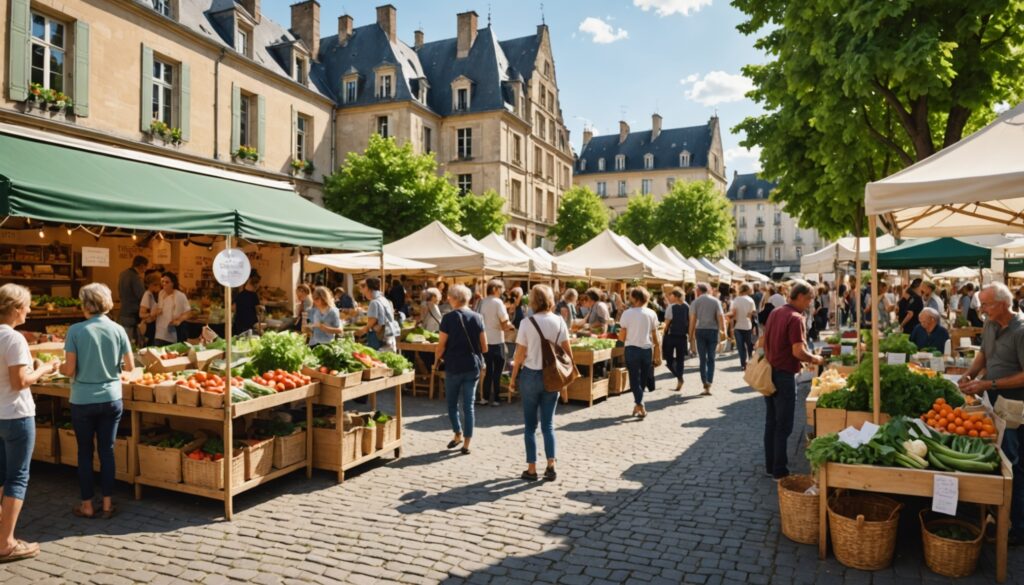
European Sustainable Development Week: The Spotlight on Responsible Eating
Starting September 18 and running through October 8, France is taking part in European Sustainable Development Week (SEDD), an annual highlight held across Europe. Local governments, businesses, schools, nonprofits, and ordinary citizens are invited to organize or join concrete actions…
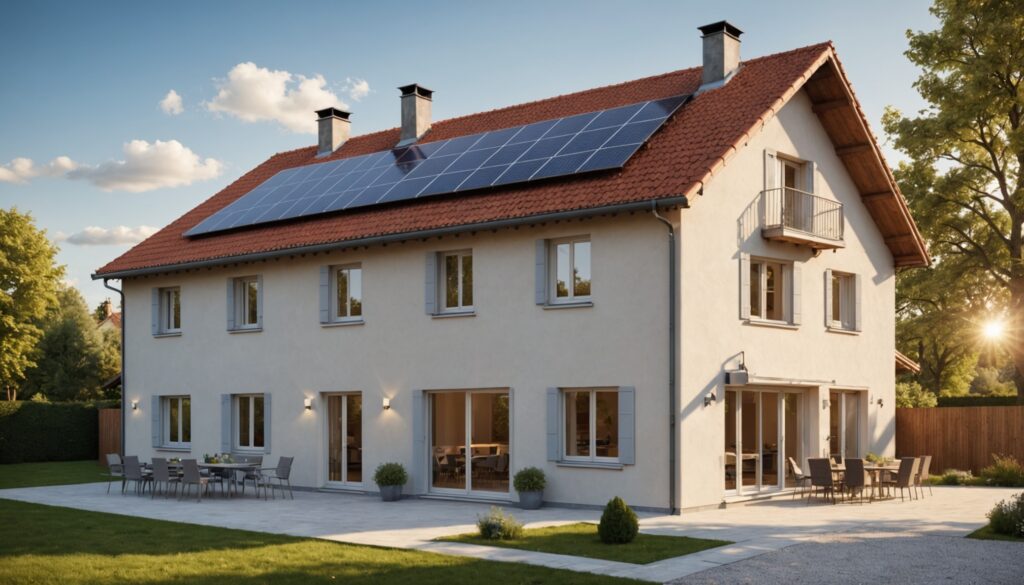
Energy Renovation: CEE Grants Narrowed to Focus on the Leakiest Homes
Starting September 1, 2026, energy renovation grants are entering a new phase. Two decrees signed on August 17, 2026, and published in the Journal officiel (France's official gazette) on August 23, narrow the French Energy Savings Certificates (CEE) scheme around…
Greenwashing: The EU's Anti-Greenwashing Directive France Hasn't Transposed Yet
Since September 27, 2026, European Union member states have had to apply strict rules against greenwashing: this is the date the directive (EU) 2024/825, nicknamed EmpCo, entered into application. The problem: France has still not transposed the text into its…
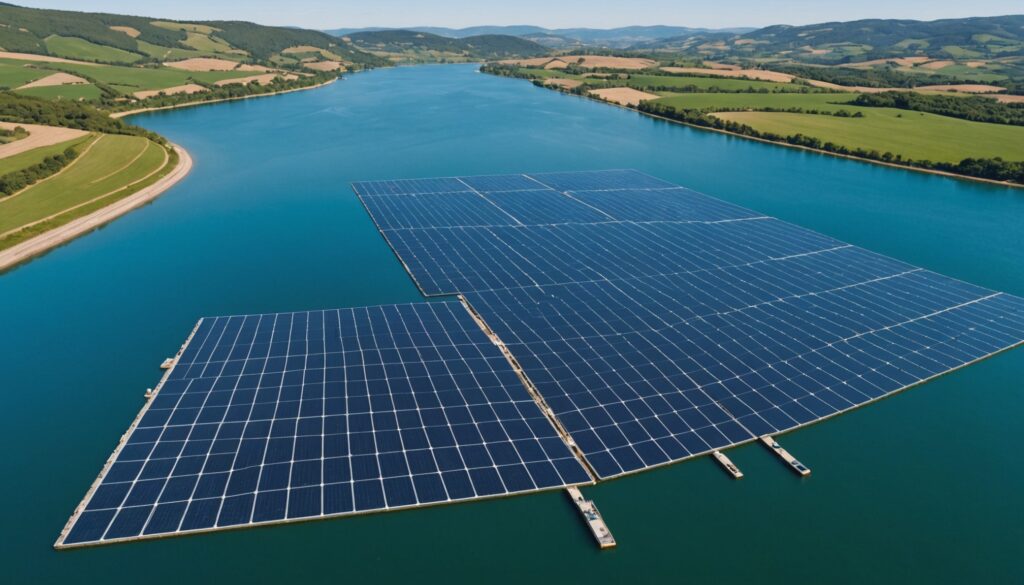
Floating Solar: France Accelerates on Its Lakes and Dams
On dam lakes, flooded former quarries, and hillside reservoirs, a new generation of photovoltaic power plants is taking root directly on the surface of the water. Floating solar is gradually establishing itself as one of the most discreet solutions in…
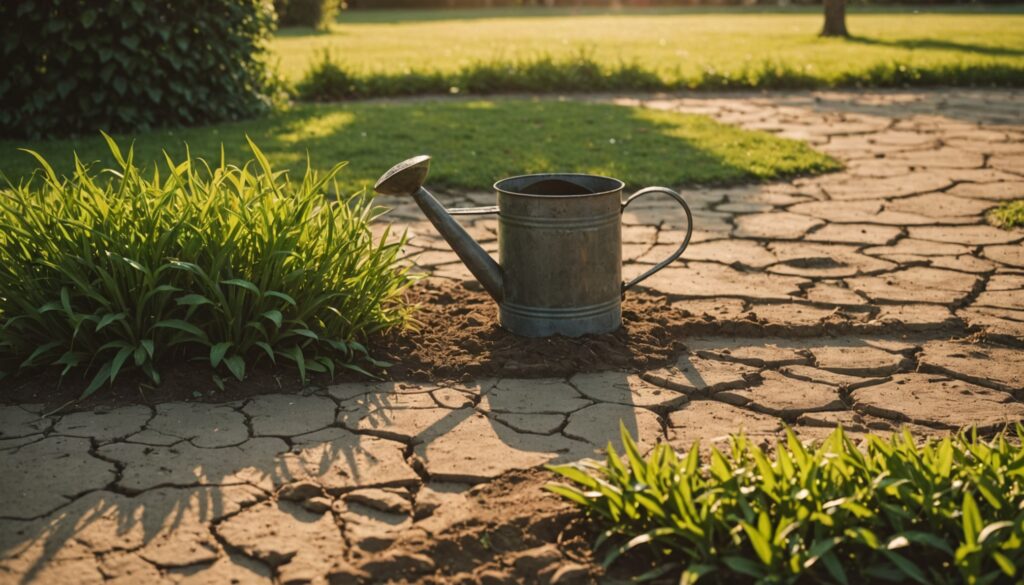
Drought in France: What a Water Restriction Order Changes
Watering your garden in the middle of the day, filling your pool, washing your car with a pressure washer: these everyday actions have become banned across nearly all of French territory this summer. After a spring that broke heat records…
This article was written with the help of artificial intelligence. Editorial policy