

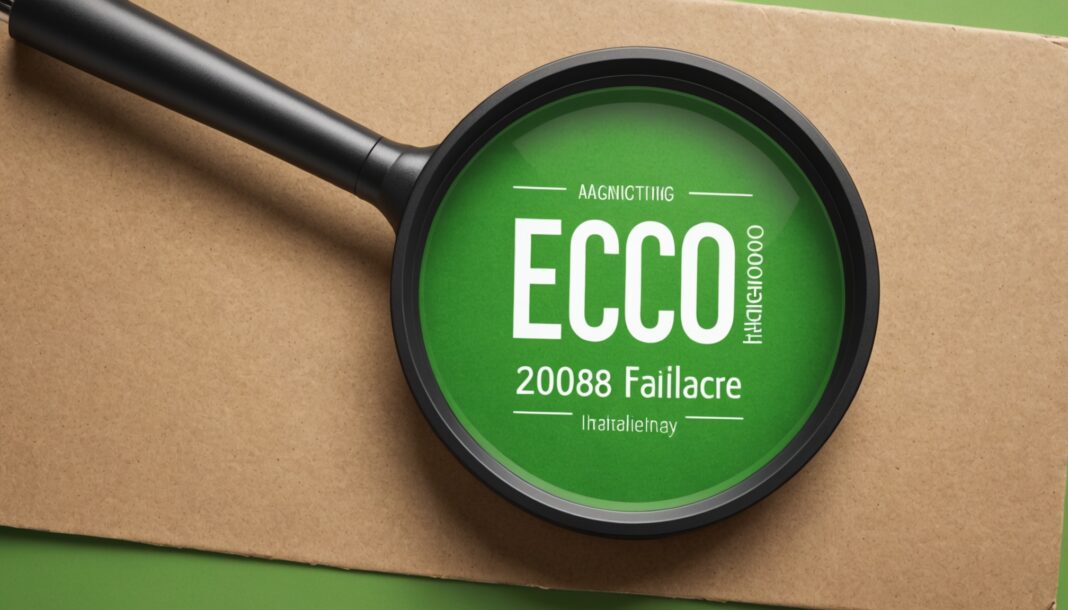

Since September 27, 2026, European Union member states have had to apply strict rules against greenwashing: this is the date the directive (EU) 2024/825, nicknamed EmpCo, entered into application. The problem: France has still not transposed the text into its national law, while companies remain exposed to penalties on other legal grounds.
What the EU anti-greenwashing directive changes
Adopted on February 28, 2024, the EmpCo directive adds twelve prohibited commercial practices to the blacklist of misleading practices. Among them: the use of environmental labels without certification by a third-party body, generic claims like “eco-friendly” or “environmentally friendly” without verifiable proof, and claims of carbon neutrality based solely on the purchase of offset credits. Future environmental commitments will now have to be based on a measurable plan, backed by real resources and verified regularly by an independent expert. This text complements the obligations already set out by the European packaging regulation, which likewise requires verifiable recyclability criteria rather than mere promises.
Why France remains behind schedule
The transposition deadline set for member states expired on March 27, 2026. France did not meet it: the relevant bill (DDADDUE) has been stalled in the National Assembly since February 2026, and the European Commission sent a formal notice on May 28, 2026. The practical consequence: the directive's twelve new prohibitions are not yet enforceable against French companies, which for now escape this specific part of the European text.
What companies in France already risk
The lack of transposition does not mean a legal void. Misleading environmental claims remain punishable under Article L121-2 of the Consumer Code (Code de la consommation), which governs misleading commercial practices in the broad sense: up to two years in prison, fines that can reach 80% of the advertising spending tied to the claim in question, and the obligation to publicly display the conviction. The DGCCRF (France's consumer protection and fair-trading authority) has in fact inspected more than 3,000 establishments over 2023-2024, finding serious violations in more than 15% of cases. This vigilance is part of a broader trend: our article on companies in the age of the ecological transition shows that the pressure doesn't come from the law alone, but also from consumer expectations. For everyday purchases, this vigilance also echoes what is already required for the legal warranty of conformity, where lawmakers now require clear information rather than vague promises.
Frequently Asked Questions
Does the EU anti-greenwashing directive already apply in France?
No, not yet for its strictest component: France did not transpose the EmpCo directive within the deadline and has been under formal notice from the European Commission since May 28, 2026. The twelve specific prohibitions are therefore not yet enforceable against French companies.
Can a company still be penalized for greenwashing in France today?
Yes. Article L121-2 of the Consumer Code on misleading commercial practices remains applicable and already allows the DGCCRF to penalize false environmental claims, independently of the EU directive.
What does the ban on generic claims actually mean?
Terms like “eco-friendly” or “green” can no longer be used on their own: they will have to be backed by verifiable proof, certified by an independent body, rather than left solely to the brand's discretion.
Sources
- Village Justice — Environmental claims: the directive applies, France has not transposed it
- Kohen Avocats — Directive on the green transition and environmental claims
- Projet Celsius — Understanding EmpCo, the anti-greenwashing directive

Energy Renovation: CEE Grants Narrowed to Focus on the Leakiest Homes
Starting September 1, 2026, energy renovation grants are entering a new phase. Two decrees signed on August 17, 2026, and published in the Journal officiel (France's official gazette) on August 23, narrow the French Energy Savings Certificates (CEE) scheme around…
Marine Heat Waves: Why the Oceans Have Never Been This Hot
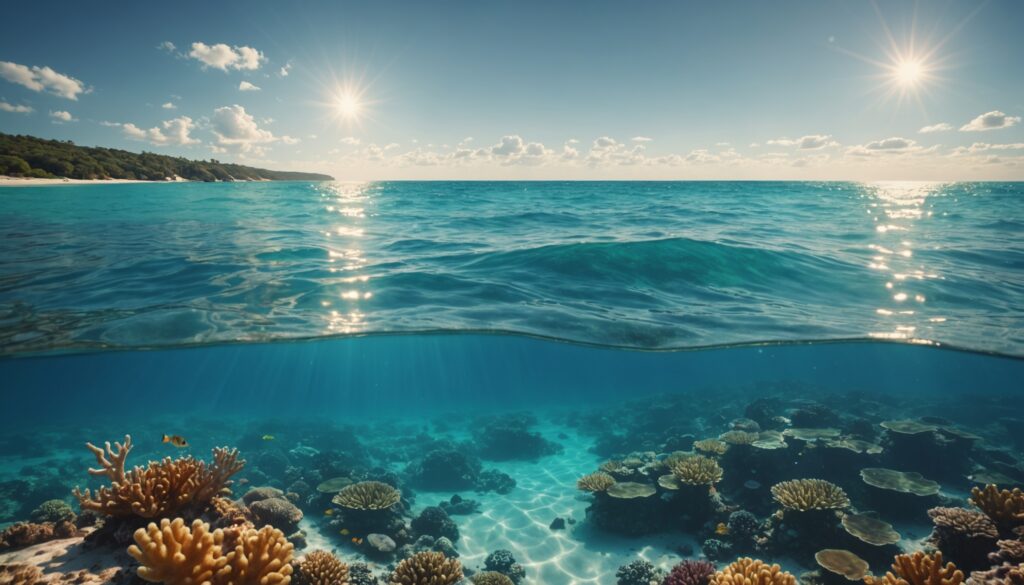
Sauna conditions beneath the waves: marine heat waves have never raged as fiercely as they did in the summer of 2026, and the world's ocean has just written an unflattering chapter in its thermal history. July will go down as…
Summer 2026: France and Europe Shatter Sunshine Records
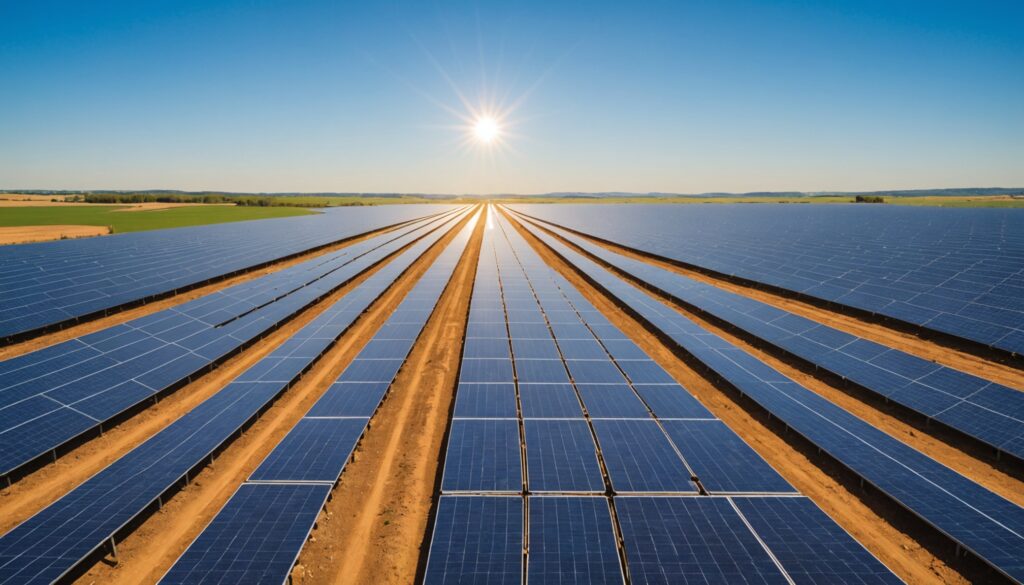
Nearly uninterrupted sunshine, electric meters spinning in the best possible way: summer 2026 will go down in the continent's climate and energy history books. According to official data from Météo-France (the French national meteorological service), five Western European countries recorded,…

French Forests: Coverage Is Growing, but Their Health Is Declining Sharply
They gain ground every year, yet they have never been so fragile. The latest national forest inventory, published in early July 2026 by the IGN (France's national mapping and forestry information institute), paints a contrasting picture: French forests continue to…

Drought in France: What a Water Restriction Order Changes
Watering your garden in the middle of the day, filling your pool, washing your car with a pressure washer: these everyday actions have become banned across nearly all of French territory this summer. After a spring that broke heat records…
Fonds Chaleur Suspended: What the Decision Means for Local Governments and Households
The French government has just suspended the Fonds Chaleur, the Ademe (France's agency for ecological transition) program that has funded renewable heating and cooling networks since 2009: biomass, geothermal, solar thermal, and industrial waste heat recovery. Announced on November 3…
PFAS in Tap Water: The Polluter-Pays Fee Finally Takes Effect
After more than a year of delay, the polluter-pays principle finally applies to PFAS discharges into water. Since September 1, 2026, industrial companies that dump these “forever chemicals” must pay a fee — a landmark measure in our environment and…
Climate in France: What the First Annual Impact Report Reveals (and How to Prepare)
France has just equipped itself with an official thermometer for the climate crisis. By publishing the first annual report on the impacts of climate change in France, the government has put precise figures on a reality that many are already…
This article was written with the help of artificial intelligence. Editorial policy