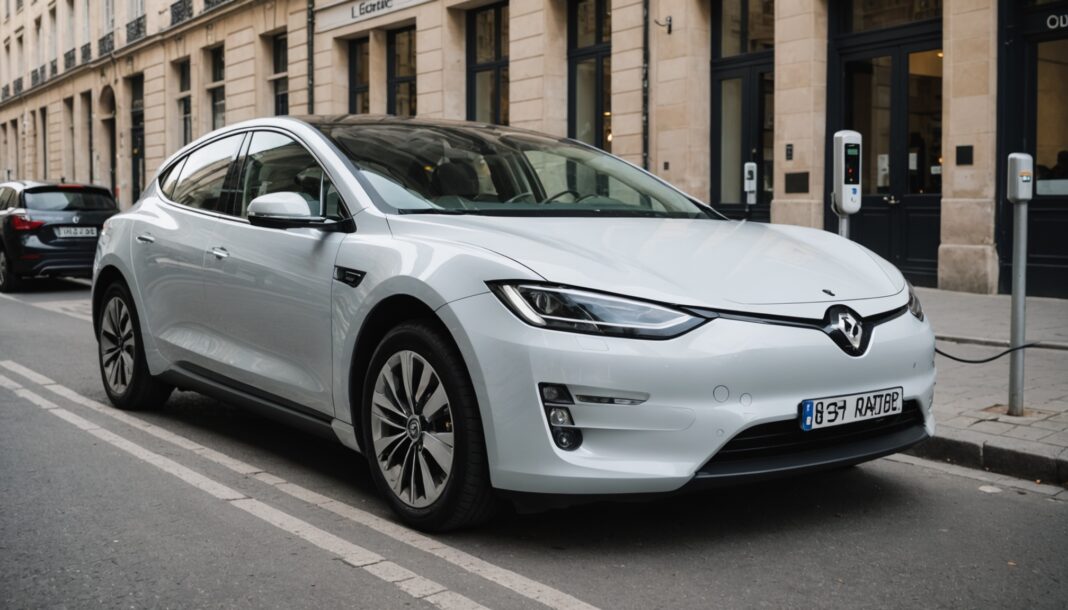


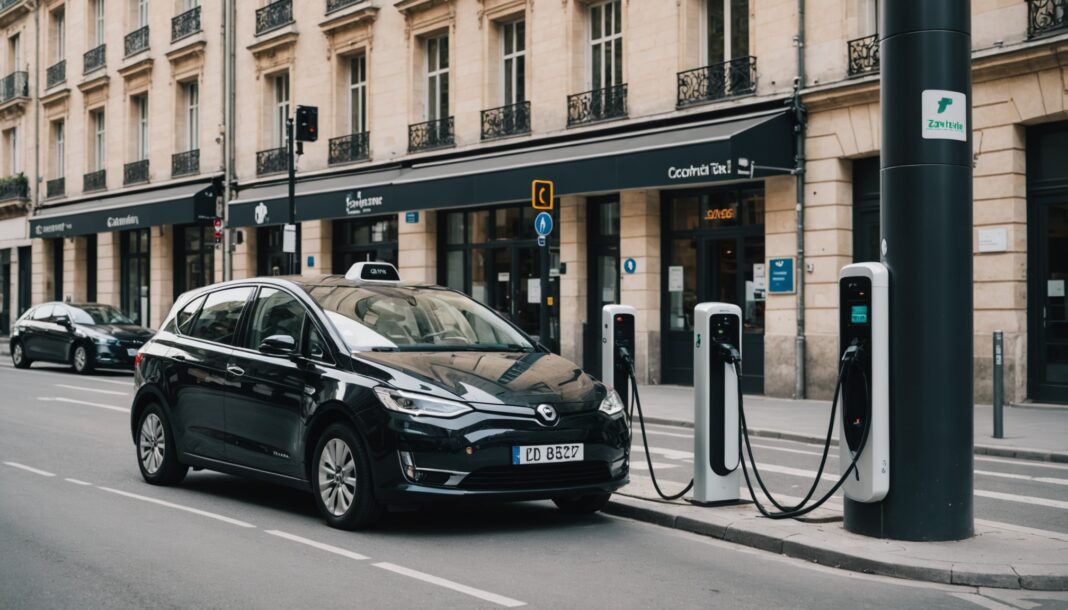

Driving all day to transport passengers is one of the most intensive uses a car can get. To speed up the electric transition of this heavily used fleet, the French government has introduced a financial aid program dedicated to taxis, which took effect on September 1, 2026. Amounts, conditions, and timeline: here's what you need to know.
Aid of Up to €5,500
The program is aimed at taxi drivers who buy or take out a long-term lease on an electric vehicle for their professional activity. The amount is approximately €3,500, raised to €5,500 when the vehicle and its battery are manufactured in Europe. According to the French Ministry of Ecological Transition, this is the first purchase incentive specifically designed for taxis, which are considered “high-mileage” vehicles in the same category as certain other road professionals.
Two technical conditions apply for eligibility: the vehicle's price must not exceed €65,000, and its weight must remain under 2,400 kg. This range covers most of the sedans and family vehicles currently used by the profession.
A Tight Timeline
The aid has been available since September 1, 2026, a month ahead of the schedule originally announced in May. It applies to orders placed between September 1 and December 31, 2026, giving drivers a four-month window to decide. This program builds on public efforts already underway around electrification, as shown by the steady rise in electric car sales in France, whose market share keeps climbing.
Ride-Hailing Drivers Excluded from the Program
Contrary to what one might expect, ride-hailing (VTC) drivers are not covered by this aid: it remains reserved for holders of a taxi license. This distinction reflects the special status of the taxi profession, which is subject to service obligations (cruising for fares, regulated parking) that ride-hailing drivers do not have.
For individuals who also want to make the switch to electric without buying new, other programs exist in parallel, such as the €337 aid for purchasing a used electric vehicle or social leasing offers available at reduced prices.
Why Target Taxis?
A taxi covers, on average, far greater distances than a personal vehicle, with near-constant use in dense urban areas. Electrifying this fleet therefore has a multiplied effect on air quality in city centers, while also reducing fuel costs for drivers, who are directly exposed to the volatility of diesel and gasoline prices.
- Aid ranging from €3,500 to €5,500 depending on where the vehicle and its battery are manufactured
- Eligible orders placed between September 1 and December 31, 2026
- Vehicle price capped at €65,000 and weight limited to 2,400 kg
- Program reserved for taxis; ride-hailing (VTC) drivers are excluded
Frequently Asked Questions
Who can benefit from this aid?
Only drivers holding a taxi license, for the purchase or long-term lease of an electric vehicle that meets the price and weight caps set by the program.
Do I need to buy the vehicle, or does leasing also qualify?
Both options count: purchasing and long-term leasing both qualify for the aid, as long as the vehicle is used for taxi activity.
Why does the amount vary between €3,500 and €5,500?
The higher amount is reserved for vehicles whose vehicle and battery are manufactured in Europe, a way of also steering public support toward European industrial production.
Sources

French Forests: Coverage Is Growing, but Their Health Is Declining Sharply
They gain ground every year, yet they have never been so fragile. The latest national forest inventory, published in early July 2026 by the IGN (France's national mapping and forestry information institute), paints a contrasting picture: French forests continue to…
Floating Solar: France Accelerates on Its Lakes and Dams
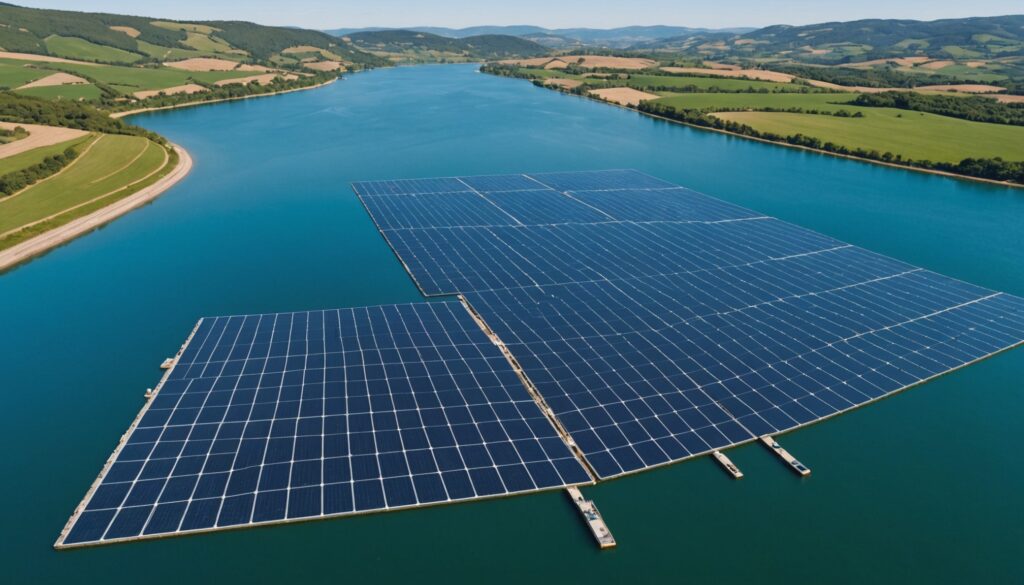
On dam lakes, flooded former quarries, and hillside reservoirs, a new generation of photovoltaic power plants is taking root directly on the surface of the water. Floating solar is gradually establishing itself as one of the most discreet solutions in…

Marine Heat Waves: Why the Oceans Have Never Been This Hot
Sauna conditions beneath the waves: marine heat waves have never raged as fiercely as they did in the summer of 2026, and the world's ocean has just written an unflattering chapter in its thermal history. July will go down as…

European Sustainable Development Week: The Spotlight on Responsible Eating
Starting September 18 and running through October 8, France is taking part in European Sustainable Development Week (SEDD), an annual highlight held across Europe. Local governments, businesses, schools, nonprofits, and ordinary citizens are invited to organize or join concrete actions…

Summer 2026: France and Europe Shatter Sunshine Records
Nearly uninterrupted sunshine, electric meters spinning in the best possible way: summer 2026 will go down in the continent's climate and energy history books. According to official data from Météo-France (the French national meteorological service), five Western European countries recorded,…

Public Procurement: Environmental Criteria Become Mandatory, the End of Price-Only Bids
Starting August 21, 2026, a page turns for companies that respond to public tenders in France. The Climate and Resilience Law of 2021 fully takes effect on its public procurement provisions: it will no longer be possible for a public…

PFAS in Tap Water: The Polluter-Pays Fee Finally Takes Effect
After more than a year of delay, the polluter-pays principle finally applies to PFAS discharges into water. Since September 1, 2026, industrial companies that dump these “forever chemicals” must pay a fee — a landmark measure in our environment and…

Climate in France: What the First Annual Impact Report Reveals (and How to Prepare)
France has just equipped itself with an official thermometer for the climate crisis. By publishing the first annual report on the impacts of climate change in France, the government has put precise figures on a reality that many are already…
This article was written with the help of artificial intelligence. Editorial policy