

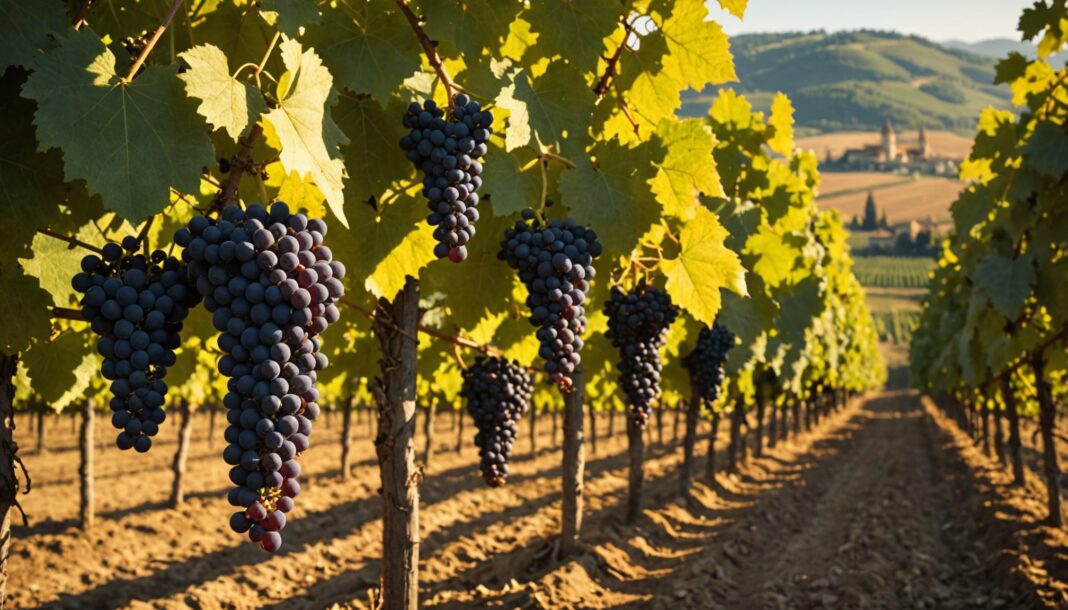

Two weeks before the official opening of the harvest season, the first pruning shears were already clicking away in the Languedoc region, in France. This year's early grape harvest is breaking every known record in France: never has a harvest started so soon, driven by exceptional heat that has upended the national wine-growing calendar, region after region.
An Extraordinary July
Three successive heat waves swept across the country between May and July, with peaks topping 104°F (40°C) in several wine-growing areas of the South and Center-West. A particularly mild winter, followed by a spring that already felt like summer, triggered early bud break in the vines. The result: the growing cycle was compressed by three to four weeks compared to the usual benchmarks, forcing winemakers to rethink their entire organization right in the middle of the tourist season.
A Calendar Turned Upside Down, Region by Region
As early as July 15-16, the first bunches of grapes were being cut in the Languedoc, notably around Fitou: an absolute record, two weeks ahead of the previous historic benchmark set in 2003. The trend then spread across the entire French wine-growing region:
- Languedoc: harvest opened July 15-16, an absolute national record
- Champagne: the start of the grape harvest, set by the trade association (the CIVC, the Comité Interprofessionnel du Vin de Champagne), fell on the earliest date ever recorded, about twelve days ahead of the previous record set in 2020
- Alsace: harvest launched between August 17 and 19, a regional historic record
- Burgundy and Beaujolais: harvest spread between August 10 and 27, up to five weeks early in some parts of Beaujolais
- Bordeaux: start expected in mid-August, whereas the harvest usually begins in mid-September
Vines Under Pressure: What's the Impact on Volume and Quality?
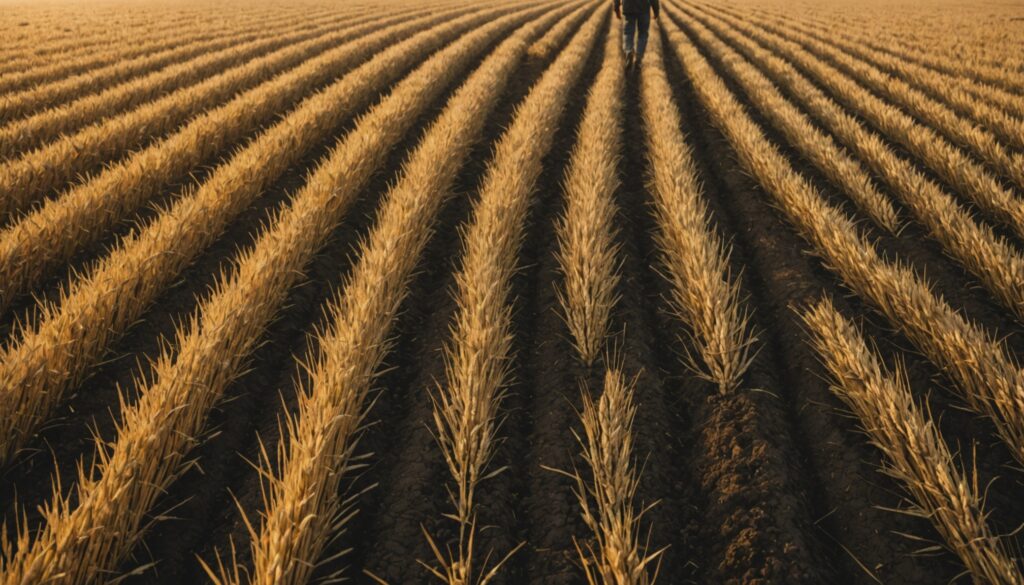
The prolonged drought that accompanied this record heat is causing more concern than the early timing itself. Water stress caused, in some areas growing varieties such as chenin, up to 40 percent in localized losses linked to sun-scorched grapes and premature yellowing of the foliage. In the Charentes region, official yield limits were revised downward to account for this water shortfall. On the quality front, however, nothing is settled: industry professionals point out that an early harvest doesn't necessarily mean a ruined vintage—the 2003 and 2020 harvests, both also marked by heat, produced notable wines. Grapes picked before the peak of August's intense heat can even retain better acidity and a more refined aromatic balance.
What Does This Mean for Winemakers and Consumers?
On the ground, wineries had to mobilize labor and harvesting equipment several weeks ahead of their usual schedules, a logistical and human challenge that weighs on production costs. This economic pressure, combined with potentially tighter volumes, could affect wine prices on store shelves in the coming months, a subject closely watched by players in wine industry finance and economics. More broadly, this episode illustrates the forced adaptation of an entire industry to climate change, an issue that also comes up in discussions of ecology and climate. For wine lovers, this unusual vintage will be closely watched both on store shelves and in the cellar, a theme that ties into the broader concerns of consumer spending among French households.
Frequently Asked Questions
Why is the 2026 grape harvest so early?
Three heat waves between May and July, combined with a mild winter and an already summer-like spring, accelerated grape ripening by three to four weeks compared to normal, causing bud break and veraison well ahead of the usual calendar.
Are all wine-growing regions affected the same way?
No, the timing shift varies by region: the Languedoc kicked things off in mid-July with an absolute record, while Bordeaux and Burgundy saw their harvests move up by only a few weeks, with dates spread throughout August.
Does an early harvest mean a bad vintage?
Not necessarily. The previous records for early harvests, in 2003 and 2020, produced fine wines. The main concern is volume, reduced by water stress, rather than the intrinsic quality of grapes picked before the most intense heat.
Sources
Vinabox — 2026 Harvest Dates, Region-by-Region Calendar
Zoom42 — Grape Harvest: An Unprecedented Record for French Vineyards
Verasco — 2026 Harvest: The Earliest in France's History
Early Grape Harvests: Why the Heat Wave Is Upending French Winemakers' Calendar
In France's vineyards, the summer of 2026 will go down as a season of records. Driven by a historic heat wave and significant drought, early grape harvests are multiplying across the country: some winemakers began picking as early as the…
Listeria in Ready-to-Eat Foods: EU Regulations Tighten
A new European text is changing the rules for the safety of ready-to-eat foods. Starting July 1, 2026, Regulation (EU) 2024/2895 replaces the previous framework governing the bacterium Listeria monocytogenes, with stricter rules for manufacturers and distributors. Tartares, pastries, ice…
The International Village of Gastronomy Celebrates 10 Years at Place de la Concorde
From September 10 to 13, 2026, Place de la Concorde in Paris hosts the tenth edition of the International Village of Gastronomy, one of the major Parisian events dedicated to world cuisine. For this anniversary, the event is scaling up:…
Cap d'Ona: The Catalan Brewery Crowned Best Beer in the World
In the Pyrénées-Orientales region, an artisanal Catalan brewery has once again lifted France to the top of the world's brewing scene. Cap d'Ona, based in Céret, was named best beer in the world in the rye beer category at the…
Food Labeling: What the Law Really Requires of Brands
A simple yogurt or ready-made meal label actually conceals a real stack of legal texts. Behind every line printed on a package, food labeling follows precise European rules, overseen in France by a dedicated administration. Between origin requirements, allergen management,…
Ultra-Processed Foods: Toward Mandatory Labeling on Packaging
French supermarket shelves are dominated by ultra-processed products, and more and more voices are calling for them to finally be clearly flagged on packaging. In a survey published in early November 2026, the magazine 60 Millions de Consommateurs (a French…
Food Contaminants: What France's New Anses Reference Study Reveals
Acrylamide, lead, mercury, cadmium, aluminum: the French Agency for Food, Environmental and Occupational Health & Safety (Anses) has just released the first results of its third total diet study (EAT3), a landmark effort that measures what French people actually absorb…
Unsold Food: What the New EU Regulation Changes for the Food Industry
Since July 19, 2026, companies that manufacture, process, distribute, or import food products in Europe can no longer destroy their unsold goods without following precise rules. Regulation (EU) 2026/296, adopted on February 9, 2026, now strictly governs a practice that…
This article was written with the help of artificial intelligence. Editorial policy