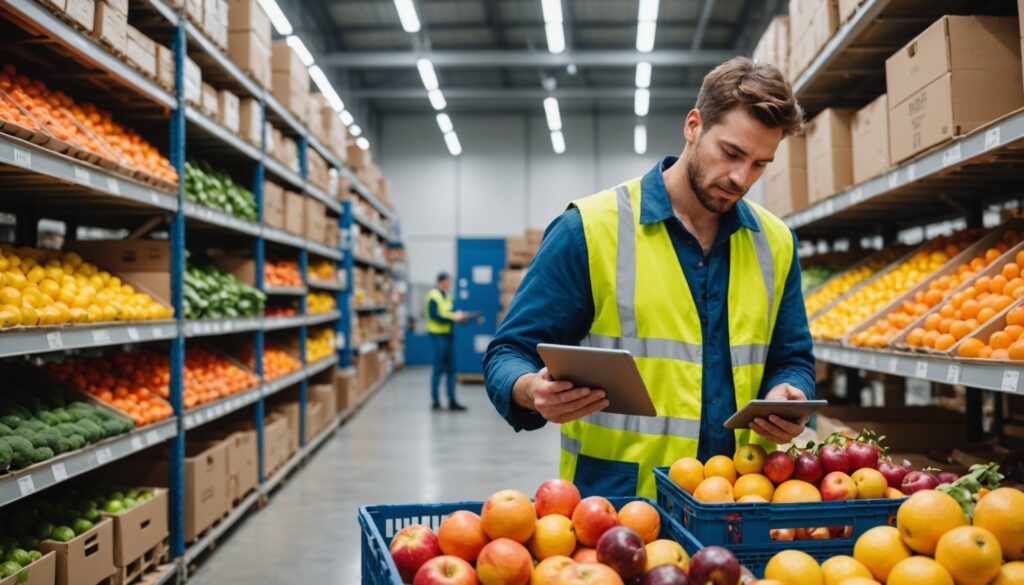
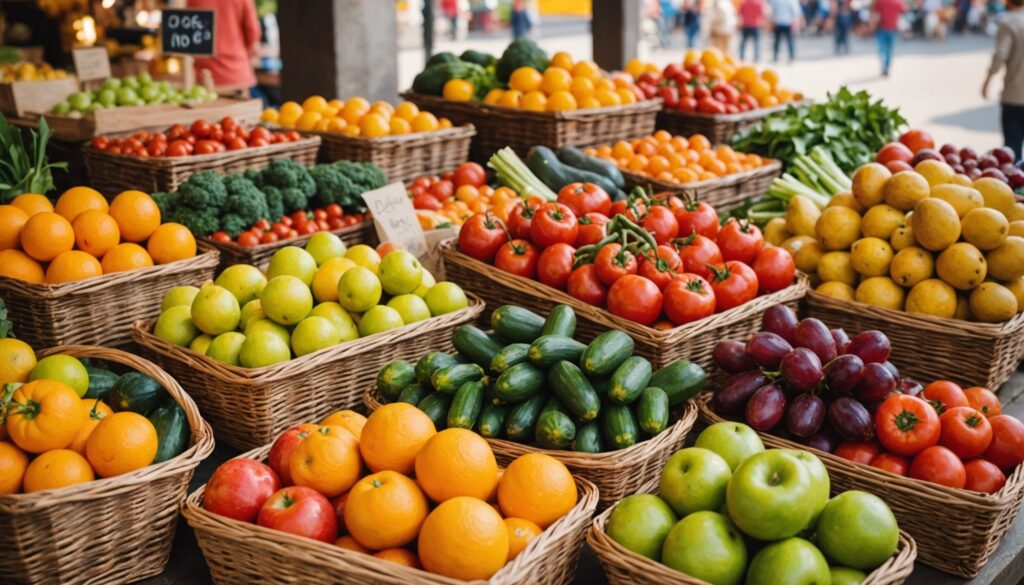

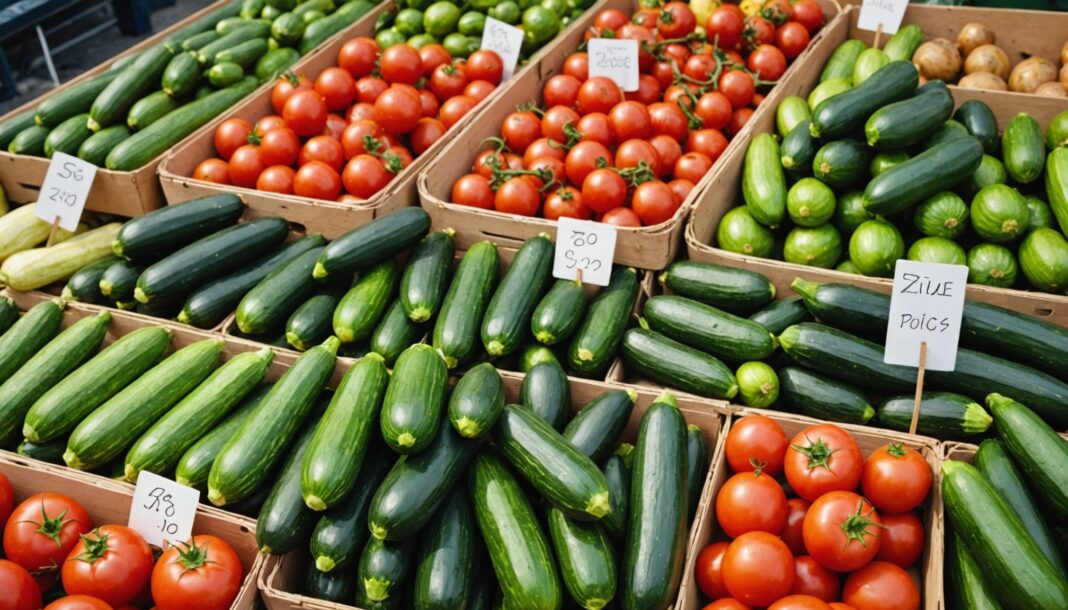

French households' grocery bills keep getting tighter, though not evenly across the board. According to the latest figures from Insee (the French national statistics institute), food inflation held broadly steady at +0.9% year over year in July 2026, unchanged from June. Behind this reassuring average, however, lies a much harsher reality for fresh produce, whose prices jumped 3.8% year over year, up from 2.7% the previous month. And it's mainly vegetables driving this acceleration.
Zucchini, Tomatoes, Green Beans: Summer Vegetables Are Skyrocketing
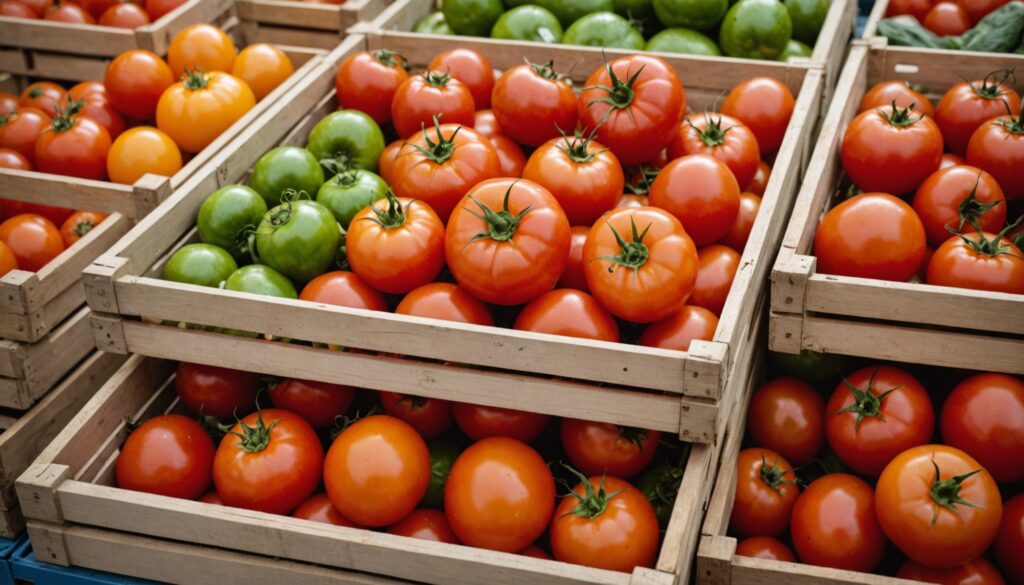
The fruit and vegetable price observatory, published by the Familles Rurales association, lays out the scale of the phenomenon: for conventionally farmed vegetables, prices are up an average of 10% year over year, compared with 7% for their organic equivalents. Some products widely eaten in summer have been hit especially hard, with spectacular increases: zucchini is up 32%, tomatoes 31%, and green beans 24%.
By contrast, two vegetables are bucking the trend: onion prices are down 23% and potatoes down 13%, both products less sensitive to the season's weather swings. On the fruit side, the situation remains broadly stable, with an average price of €4.33 per kilogram, down a slight 0.2% year over year.
A Basket of the Cheapest Products Climbing Faster Than the Rest
- The basket of the five cheapest conventional vegetables rose +15% over the year, a figure that hits households with the tightest budgets the hardest.
- Since 2015, vegetable prices have climbed 62% and fruit prices 54%, far above overall inflation over the period (+21%).
- The harmonized consumer price index, which allows for comparison with other eurozone countries, rose 2.4% year over year in July.
This rise in the cheapest products is particularly damaging: it shrinks the room for maneuver of households that were already favoring budget options to put meals together.
Why Vegetables Are Holding Up Worse Than Fruit
The explanations put forward by industry observers mainly point to this season's weather conditions, which directly affect yields for vegetable crops—more sensitive to short-term weather swings than fruit orchards. Production costs—energy, labor, inputs—also continue to weigh on shelf prices, even though their growth has slowed compared with the inflationary peaks of previous years.
For households, the consequence is concrete: building a balanced diet around seasonal vegetables, historically seen as the most economical option, now costs noticeably more than it did a year ago. That raises questions about back-to-school budget trade-offs, at a time when other household spending categories are also under pressure.
To keep track of these trends and better manage your budget, check out our Finance – Money and Investing and Consumer – Shopping sections.
Frequently Asked Questions
How much have food prices risen in France in 2026?
According to Insee, food prices rose 0.9% year over year in July 2026, a steady pace compared with June. Fresh produce, however, saw a sharper increase, at 3.8% year over year.
Which vegetables rose the most this summer?
According to the Familles Rurales fruit and vegetable price observatory, zucchini posted the sharpest increase at +32% year over year, followed by tomatoes (+31%) and green beans (+24%).
Are all vegetables affected by this rise?
No: onions and potatoes fell 23% and 13%, respectively, over the period, illustrating how widely price trends can diverge between crops depending on their sensitivity to weather conditions.
Sources
- Insee — Informations rapides No. 188, consumer prices, July 2026
- Familles Rurales — Fruit and Vegetable Price Observatory, July 2026
- Macommune.info — Why Vegetables Keep Costing French Shoppers More
The International Village of Gastronomy Celebrates 10 Years at Place de la Concorde
From September 10 to 13, 2026, Place de la Concorde in Paris hosts the tenth edition of the International Village of Gastronomy, one of the major Parisian events dedicated to world cuisine. For this anniversary, the event is scaling up:…
Regenerative Agriculture: How Nestlé and McDonald's France Are Transforming Their Supply Chains
Behind an expression that remains vague for many consumers, regenerative agriculture is quietly making its way into the strategies of the biggest names in the food industry operating in France. Neither a simple marketing argument nor a single label, this…
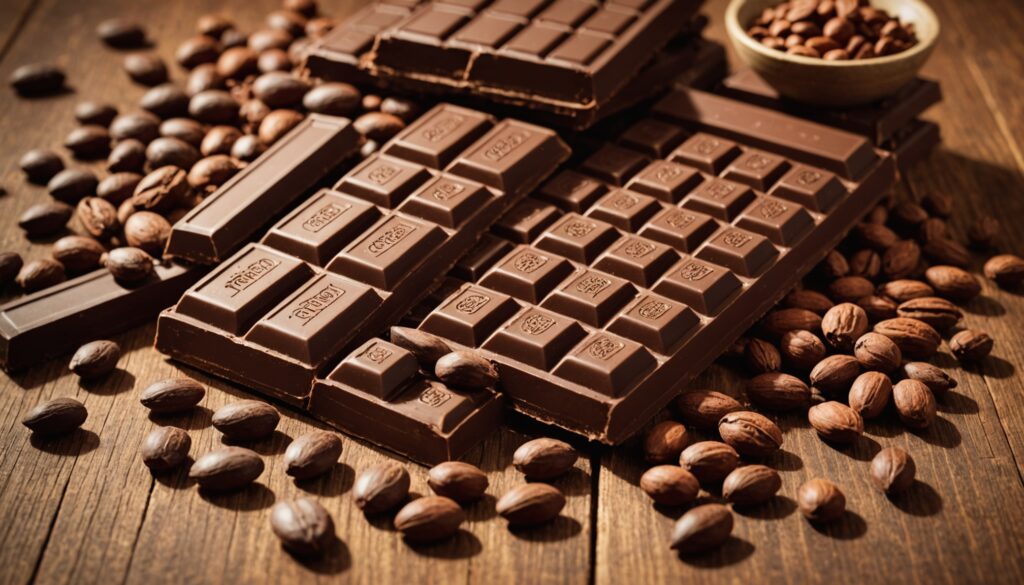
Chocolate: Why Prices Remain High Even as Cocoa Costs Fall
Global cocoa prices have cooled off, but the price of chocolate on store shelves refuses to come back down. In France, chocolate bars are up an average of 15.3% over the past year, with some climbing as high as €4.69…
Ultra-Processed Foods: Toward Mandatory Labeling on Packaging
French supermarket shelves are dominated by ultra-processed products, and more and more voices are calling for them to finally be clearly flagged on packaging. In a survey published in early November 2026, the magazine 60 Millions de Consommateurs (a French…
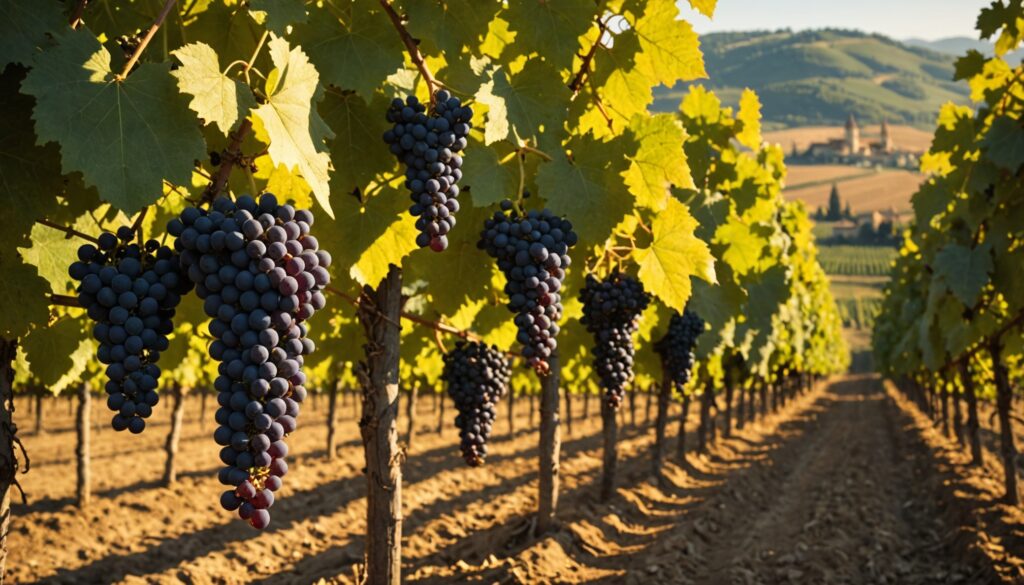
Early Grape Harvest: A Historic Crop Shakes Up French Vineyards
Two weeks before the official opening of the harvest season, the first pruning shears were already clicking away in the Languedoc region, in France. This year's early grape harvest is breaking every known record in France: never has a harvest…
Cap d'Ona: The Catalan Brewery Crowned Best Beer in the World
In the Pyrénées-Orientales region, an artisanal Catalan brewery has once again lifted France to the top of the world's brewing scene. Cap d'Ona, based in Céret, was named best beer in the world in the rye beer category at the…
Food Contaminants: What France's New Anses Reference Study Reveals
Acrylamide, lead, mercury, cadmium, aluminum: the French Agency for Food, Environmental and Occupational Health & Safety (Anses) has just released the first results of its third total diet study (EAT3), a landmark effort that measures what French people actually absorb…
School Cafeterias 2026: The Promise of 50% Sustainable Food Still Unmet
Since 2018, France's EGalim law has promised children more responsible school cafeterias: half of the food served should be “sustainable and high-quality,” with a fifth of that coming from organic farming. The 2026 figures for school cafeterias, just published by…
This article was written with the help of artificial intelligence. Editorial policy