

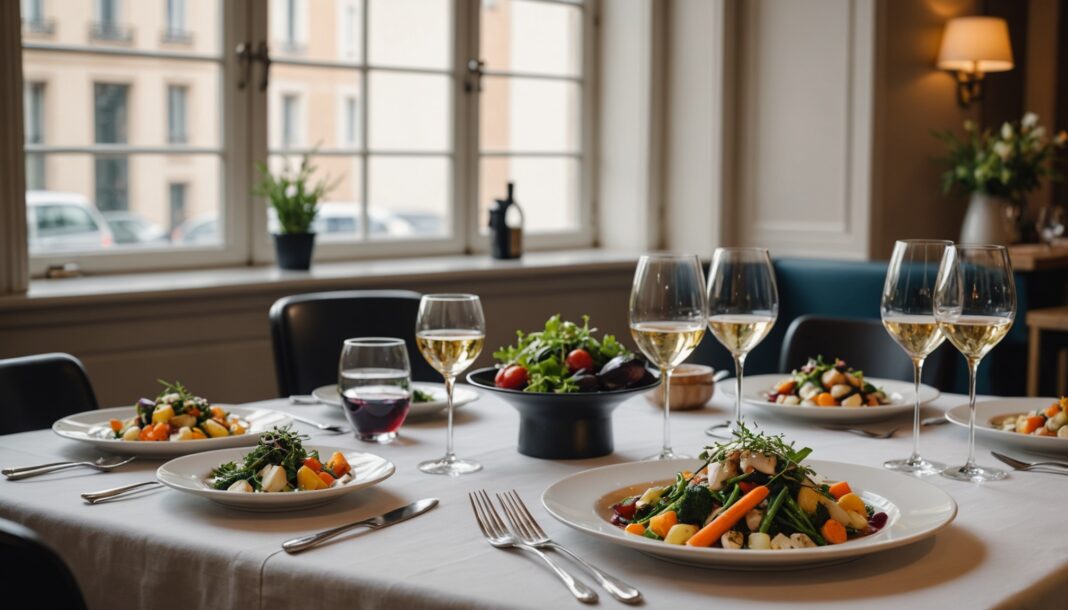

French cuisine is having a particularly rich year in 2026. Between an unprecedented global LaListe ranking, a Michelin selection that is breaking records for affordable restaurants, and trends reshaping our dining habits, French cuisine in 2026 confirms a deep-seated shift: fine dining is thriving, but quality cooking is also becoming more accessible. Here's an overview of what's actually changing on our plates.
LaListe 2026: Ten Restaurants at the Top, Eight Countries Represented
For the first time since it was created, the LaListe ranking — which aggregates more than 1,100 international sources — sees ten restaurants from eight countries sharing the top spot worldwide, each credited with a score of 99.5 out of 100. France is represented notably by Guy Savoy, alongside Swiss, German, American, and Japanese establishments, among others. This shared podium illustrates a shift: fine dining is no longer the preserve of a handful of capitals, but the result of an increasingly diverse geography of taste.
- 99.5/100: the score shared by the top ten in the ranking.
- Eight countries at the top, for a ranking long dominated by Western Europe.
- More than 1,100 sources cross-referenced to compile the ranking for this tenth edition.
Michelin Guide 2026: A Record for Affordable Restaurants
On the Michelin side, the France 2026 edition, unveiled at a ceremony in Monaco, marks a record for Bib Gourmand distinctions: 430 establishments recognized for good cooking at controlled prices, including 75 new additions. France also has 668 starred restaurants, 62 promotions, and a single new three-star restaurant, Les Morainières, run by chef Michaël Arnoult in Savoie. The message is clear: eating well doesn't necessarily mean a steep bill, a strong signal for food lovers' purchasing power.
The Trends Taking Hold at the Table
Beyond the rankings, several movements are gaining traction in 2026 and directly affect the general public:
- The bistro's comeback, modernized by a new generation of chefs, combining conviviality with affordable prices.
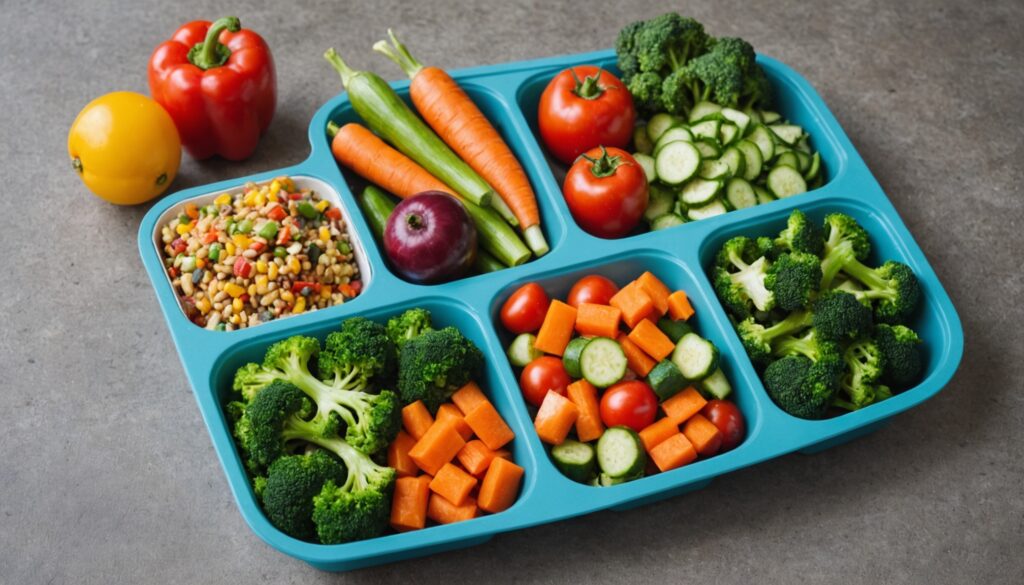
- The rise of plant-based cooking: vegetables, grains, and legumes are moving to the center of the plate.
- The growth of fermented foods (miso, kefir, fermented sauces) for their umami touch.
- Fusion cuisine and upscale Japanese cuisine, which are now winning over diners even outside major cities.
These are all directions that are also inspiring everyday dining and an entire industry, worth following both in terms of the restaurant economy and household budget trade-offs.
A Cuisine with Two Complementary Faces
In short, 2026 is shaping a two-sided cuisine that complements itself: a more open and diverse global summit, and an everyday cuisine betting on accessible quality, good ingredients, and creativity. That said, let's distinguish facts from trends: the Michelin records and the LaListe rankings are confirmed data, while the bistro's comeback or the plant-based wave remain observed dynamics, likely to take hold to varying degrees over time. Either way, it's reason enough to (re)discover the appeal of stepping into a good restaurant close to home.
Frequently Asked Questions
What Is a Bib Gourmand?
It's a Michelin Guide distinction that recognizes restaurants offering quality cooking at controlled prices. In 2026, France has 430 of them, a record, including 75 new additions.
How Many Restaurants Share the Top Spot in LaListe 2026?
Ten restaurants from eight countries share the top of the ranking, all scoring 99.5 out of 100 — a first in the history of the list.
What Are the Major Culinary Trends of 2026?
The comeback of the modernized bistro, the growing place of plant-based cooking, fermented foods, and fusion cuisine are among the most talked-about trends of the year.
Sources
- Michelin Guide — France 2026 Selection
- La Tribune de l'Hôtellerie — LaListe 2026
- franceinfo — Bib Gourmand 2026
Vegan Flavor Awards: PETA France's 2026 Rankings Unveil New Winners
This week once again, PETA France revealed new faces of its 2026 Vegan Flavor Awards, with a bakery-pastry shop in Aix-en-Provence and a plant-based aperitif specialist in the Pas-de-Calais freshly honored. It's a good opportunity to take stock of this…
Food Labeling: What the Law Really Requires of Brands
A simple yogurt or ready-made meal label actually conceals a real stack of legal texts. Behind every line printed on a package, food labeling follows precise European rules, overseen in France by a dedicated administration. Between origin requirements, allergen management,…
Chocolate: Why Prices Remain High Even as Cocoa Costs Fall
Global cocoa prices have cooled off, but the price of chocolate on store shelves refuses to come back down. In France, chocolate bars are up an average of 15.3% over the past year, with some climbing as high as €4.69…
Early Grape Harvests: Why the Heat Wave Is Upending French Winemakers' Calendar
In France's vineyards, the summer of 2026 will go down as a season of records. Driven by a historic heat wave and significant drought, early grape harvests are multiplying across the country: some winemakers began picking as early as the…
Honey, Jam, Fruit Juice: What the New Labeling Regulation Changes
Honey, jams, fruit juices, dehydrated milk: the products that fill our breakfast tables are getting new labels. A new European labeling regulation, transposed into French law by a decree published in late April 2026, requires greater transparency regarding the origin…
Ultra-Processed Foods: Toward Mandatory Labeling on Packaging
French supermarket shelves are dominated by ultra-processed products, and more and more voices are calling for them to finally be clearly flagged on packaging. In a survey published in early November 2026, the magazine 60 Millions de Consommateurs (a French…
Listeria in Ready-to-Eat Foods: EU Regulations Tighten
A new European text is changing the rules for the safety of ready-to-eat foods. Starting July 1, 2026, Regulation (EU) 2024/2895 replaces the previous framework governing the bacterium Listeria monocytogenes, with stricter rules for manufacturers and distributors. Tartares, pastries, ice…
Regenerative Agriculture: How Nestlé and McDonald's France Are Transforming Their Supply Chains
Behind an expression that remains vague for many consumers, regenerative agriculture is quietly making its way into the strategies of the biggest names in the food industry operating in France. Neither a simple marketing argument nor a single label, this…
This article was written with the help of artificial intelligence. Editorial policy