

Behind an expression that remains vague for many consumers, regenerative agriculture is quietly making its way into the strategies of the biggest names in the food industry operating in France. Neither a simple marketing argument nor a single label, this farming approach aims to regenerate soils rather than deplete them — and it now has a real impact on what actually ends up on our plates.
A Farming Method, Not a Label
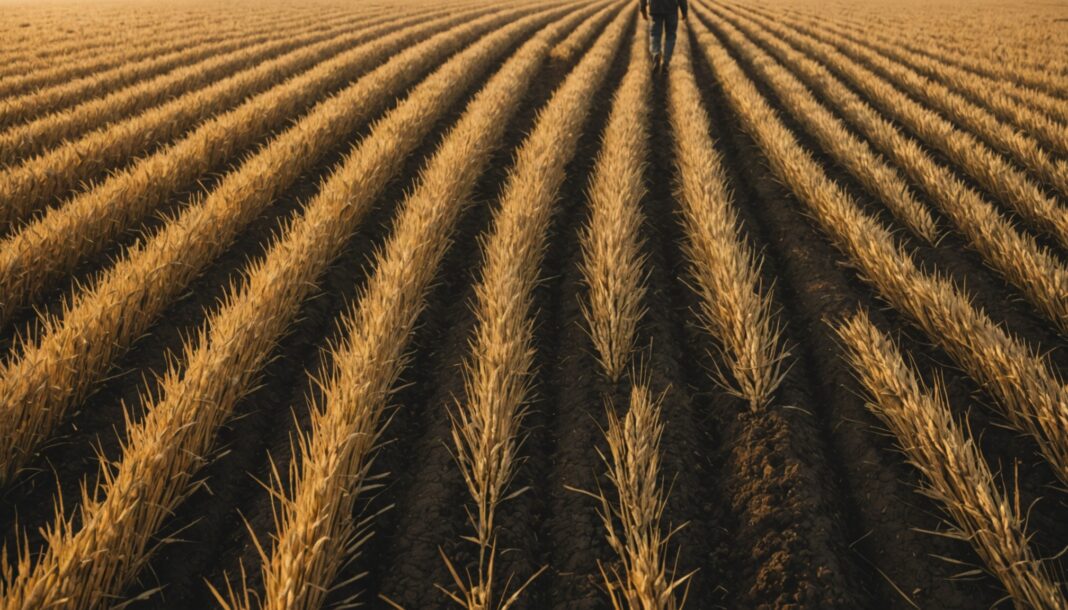
Unlike organic farming, which relies on a certified set of standards, regenerative agriculture refers to a set of practices: reduced tillage, permanent soil cover, crop rotation, and the reintegration of livestock into farming systems. The goal is to restore the soil's natural fertility, capture more carbon, and reduce dependence on chemical inputs. In the absence of a single regulatory definition, brands' commitment today is judged on a range of factors — the origin of raw materials, livestock-rearing methods, local roots — rather than a simple icon stamped on a package, an issue closely followed by advocates of responsible consumption.
Nestlé and McDonald's France Commit to Their Supply Chains
The Nestlé group states that 40% of its supplies in France already come from supply chains committed to regenerative agriculture, across several of its brands. McDonald's France, for its part, launched the Ara-Blé program back in January 2022 with the Oxyane and Valfrance cooperatives, focused on wheat and agroforestry. Through its Transitions initiative, the chain now aims to commit its entire wheat supply to a regenerative agriculture pathway by 2030: starting with the 2026 harvest, a first volume of 1,000 tons of soft wheat is to be contracted with the grain merchant Vivescia. These commitments illustrate a gradual shift in major supply chains, well beyond shelves dedicated to organic products.
Regions Mobilizing to Support Farmers
The transition doesn't rest solely on major groups. The Covalo program, launched in the Hauts-de-France region in late 2025 and then extended to four other regions in 2026, organizes coalitions bringing together public and private players to fund and support farms. Its stated ambition is to support 4,500 farmers, while regenerating soils and securing supplies for local supply chains. This type of initiative reflects a broader awareness of issues related to ecology and climate, applied directly in the fields rather than confined to corporate talking points.
What This Actually Changes for Consumers
- Processed foods (bread, ready-made meals, sauces) whose agricultural raw materials are increasingly sourced from regenerative supply chains, without necessarily a higher listed price.
- Brand communications increasingly built around traceability and origin, rather than a single label stamped on the finished product.
- Increased support for French farms, through multi-year contracts securing market outlets for farmers committed to the transition.
- A need for consumer vigilance regarding the risk of greenwashing, in the absence of a regulatory standard shared across the entire industry.
Without immediately overhauling labels, regenerative agriculture is profoundly reshaping the way major French and international brands think about their agricultural supply chains for years to come.
Frequently Asked Questions
What Is Regenerative Agriculture?
It refers to a set of farming practices aimed at restoring soil health: reduced mechanical tillage, permanent plant cover, crop rotation, and the reintegration of livestock, with the goal of capturing carbon and limiting chemical inputs.
Is Regenerative Agriculture a Label Like Organic?
No. Unlike the organic label, governed by a certified set of standards, regenerative agriculture does not yet have a single regulatory definition in France or Europe, which makes it harder for consumers to evaluate.
Which Companies Are Committed to This Approach in France?
Nestlé states that 40% of its French supplies come from regenerative supply chains, while McDonald's France, through its Transitions program, aims for 100% of its wheat to be committed to this pathway by 2030, with a first volume contracted starting with the 2026 harvest.
Sources
Nestlé France —
AgroDistribution —
Agriculture du Vivant
Chocolate: Why Prices Remain High Even as Cocoa Costs Fall
Global cocoa prices have cooled off, but the price of chocolate on store shelves refuses to come back down. In France, chocolate bars are up an average of 15.3% over the past year, with some climbing as high as €4.69…
Cap d'Ona: The Catalan Brewery Crowned Best Beer in the World
In the Pyrénées-Orientales region, an artisanal Catalan brewery has once again lifted France to the top of the world's brewing scene. Cap d'Ona, based in Céret, was named best beer in the world in the rye beer category at the…
Unsold Food: What the New EU Regulation Changes for the Food Industry
Since July 19, 2026, companies that manufacture, process, distribute, or import food products in Europe can no longer destroy their unsold goods without following precise rules. Regulation (EU) 2026/296, adopted on February 9, 2026, now strictly governs a practice that…
Listeria in Ready-to-Eat Foods: EU Regulations Tighten
A new European text is changing the rules for the safety of ready-to-eat foods. Starting July 1, 2026, Regulation (EU) 2024/2895 replaces the previous framework governing the bacterium Listeria monocytogenes, with stricter rules for manufacturers and distributors. Tartares, pastries, ice…
Early Grape Harvests: Why the Heat Wave Is Upending French Winemakers' Calendar
In France's vineyards, the summer of 2026 will go down as a season of records. Driven by a historic heat wave and significant drought, early grape harvests are multiplying across the country: some winemakers began picking as early as the…
The International Village of Gastronomy Celebrates 10 Years at Place de la Concorde
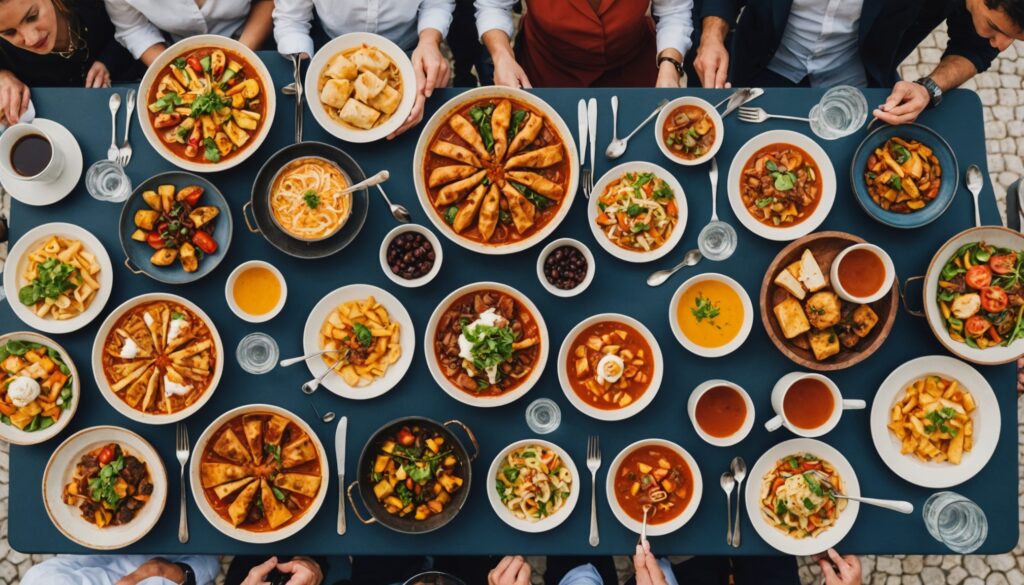
From September 10 to 13, 2026, Place de la Concorde in Paris hosts the tenth edition of the International Village of Gastronomy, one of the major Parisian events dedicated to world cuisine. For this anniversary, the event is scaling up:…
Early Grape Harvest: A Historic Crop Shakes Up French Vineyards
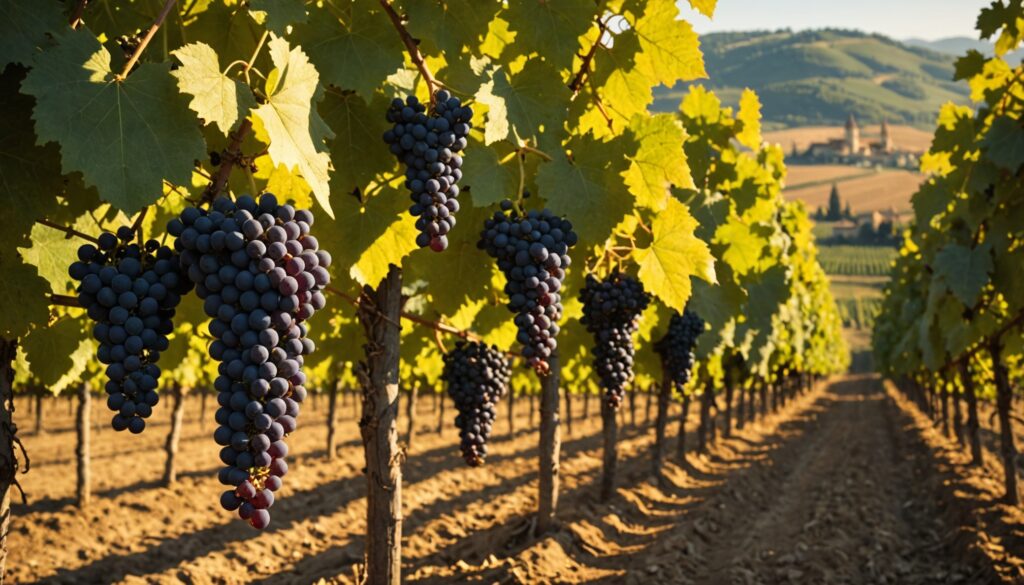
Two weeks before the official opening of the harvest season, the first pruning shears were already clicking away in the Languedoc region, in France. This year's early grape harvest is breaking every known record in France: never has a harvest…

Wonka Lands on French Shelves: Ferrero Bets on Sweet Nostalgia
After months of rumors, Wonka is officially making its big comeback on French shelves. The Ferrero group, which already owns Nutella, Kinder, and Delacre, has just unveiled a candy range entirely inspired by the world of Charlie and the Chocolate…
This article was written with the help of artificial intelligence. Editorial policy