

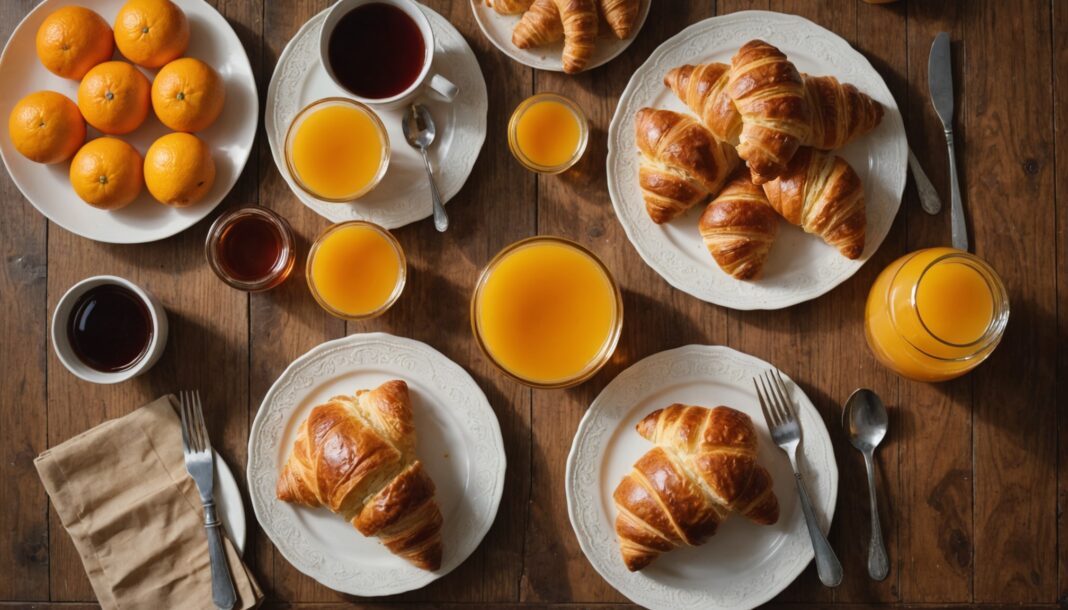

Honey, jams, fruit juices, dehydrated milk: the products that fill our breakfast tables are getting new labels. A new European labeling regulation, transposed into French law by a decree published in late April 2026, requires greater transparency regarding the origin and composition of these foods. The stated goal: to combat fraud, particularly in honey, and to better inform consumers at the time of purchase.
Honey, the First Product Affected
No more vague mentions like “Origin: EU and non-EU.” Honey jars sold in the European Union will now have to list all countries of harvest, ranked in descending order by weight, along with the percentage each represents in the blend. The requirement is designed to curb the fraud that regularly affects the industry, particularly blends containing cheap syrups falsely labeled as pure honey.
Jams: A Higher Fruit Threshold
The composition of jams is also changing. They will now need at least 450 grams of fruit per 1,000 grams of jam, up from 350 grams previously, with specific thresholds depending on the fruit used. The increase should result in recipes with a higher fruit content, but potentially slightly higher prices for some products.
Fruit Juices and Dehydrated Milk Also Affected
The text, nicknamed the “breakfast directive” by the European Commission, also changes the rules governing fruit juices and partially or fully dehydrated milk. Here are the main points to remember:
- Stronger traceability for the origin of honey ingredients
- Higher composition thresholds for jams, jellies, and marmalades
- Clarified permitted names for fruit juices
- New labeling rules for dehydrated milk intended for human consumption
In Shopping and Consumer News, this type of regulatory change has a direct impact on what consumers find on store shelves: to follow other changes affecting French households' shopping baskets, head to the Shopping and Consumer News section.
When Do These Rules Take Effect?
The French decree of April 24, 2026, published in the Official Journal the following day, transposes European directive (EU) 2024/1438. The new labeling requirements take effect on June 14, 2026. A transitional period is nonetheless provided for: products manufactured or labeled before that date, compliant with the previous regulation, may continue to be sold until stocks run out. Store shelves are therefore expected to display a mix of both types of labeling for several more months.
For manufacturers, this transition means a complete review of product sheets and packaging, a process being closely monitored by regulatory authorities. Businesses that fail to meet the new thresholds face the standard penalties under consumer law; more details on this aspect can be found in our Law and Justice section.
What This Means in Practice for Consumers
Beyond the regulatory question alone, this reform also touches on everyday eating habits: better understanding the origin of honey or the actual fruit content of a jam allows for more informed choices, including for health or nutritional quality reasons. Our Health and Medicine section regularly explores these links between labeling and food choices.
Frequently Asked Questions
Will All Honey Sold in France Be Affected?
Yes, starting June 14, 2026, every jar of honey sold in the European Union will have to precisely indicate the countries of harvest and their respective share in the blend, whether produced in France or imported.
Will Products Already on Shelves Have to Be Pulled on June 14, 2026?
No. Products manufactured or labeled before that date under the previous regulation may continue to be sold until stocks run out, with no requirement for immediate withdrawal.
Why Does Jam Need to Contain More Fruit Than Before?
Raising the threshold from 350 to 450 grams of fruit per 1,000 grams of finished product aims to ensure a fruit content closer to what consumers expect and to harmonize the rules among European Union member states.
Sources
DGCCRF – economie.gouv.fr ·
Foodwatch France ·
European Parliament – Legislative Observatory
Tomato Harvest Takes a Hit: Intermarché Bets on Misshapen Produce
The heat wave and drought that marked the summer of 2026 are leaving their mark on produce aisles in France. The tomato harvest has dropped by about 30% and lettuce has become scarcer, forcing retailers to rethink their supply habits.…
Listeria in Ready-to-Eat Foods: EU Regulations Tighten
A new European text is changing the rules for the safety of ready-to-eat foods. Starting July 1, 2026, Regulation (EU) 2024/2895 replaces the previous framework governing the bacterium Listeria monocytogenes, with stricter rules for manufacturers and distributors. Tartares, pastries, ice…
French Cuisine 2026: Michelin Records, LaListe, and the Bistro's Comeback
French cuisine is having a particularly rich year in 2026. Between an unprecedented global LaListe ranking, a Michelin selection that is breaking records for affordable restaurants, and trends reshaping our dining habits, French cuisine in 2026 confirms a deep-seated shift:…
Regenerative Agriculture: How Nestlé and McDonald's France Are Transforming Their Supply Chains
Behind an expression that remains vague for many consumers, regenerative agriculture is quietly making its way into the strategies of the biggest names in the food industry operating in France. Neither a simple marketing argument nor a single label, this…
Food Inflation: Fresh Produce Prices Soar, Led by Zucchini and Tomatoes
French households' grocery bills keep getting tighter, though not evenly across the board. According to the latest figures from Insee (the French national statistics institute), food inflation held broadly steady at +0.9% year over year in July 2026, unchanged from…
Vegan Flavor Awards: PETA France's 2026 Rankings Unveil New Winners
This week once again, PETA France revealed new faces of its 2026 Vegan Flavor Awards, with a bakery-pastry shop in Aix-en-Provence and a plant-based aperitif specialist in the Pas-de-Calais freshly honored. It's a good opportunity to take stock of this…
School Cafeterias 2026: The Promise of 50% Sustainable Food Still Unmet
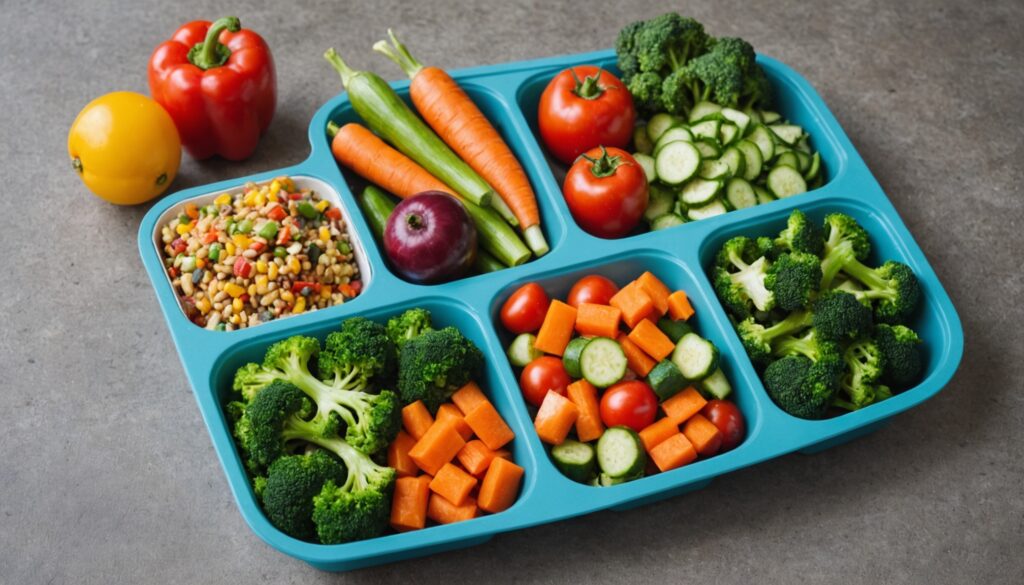
Since 2018, France's EGalim law has promised children more responsible school cafeterias: half of the food served should be “sustainable and high-quality,” with a fifth of that coming from organic farming. The 2026 figures for school cafeterias, just published by…
The International Village of Gastronomy Celebrates 10 Years at Place de la Concorde
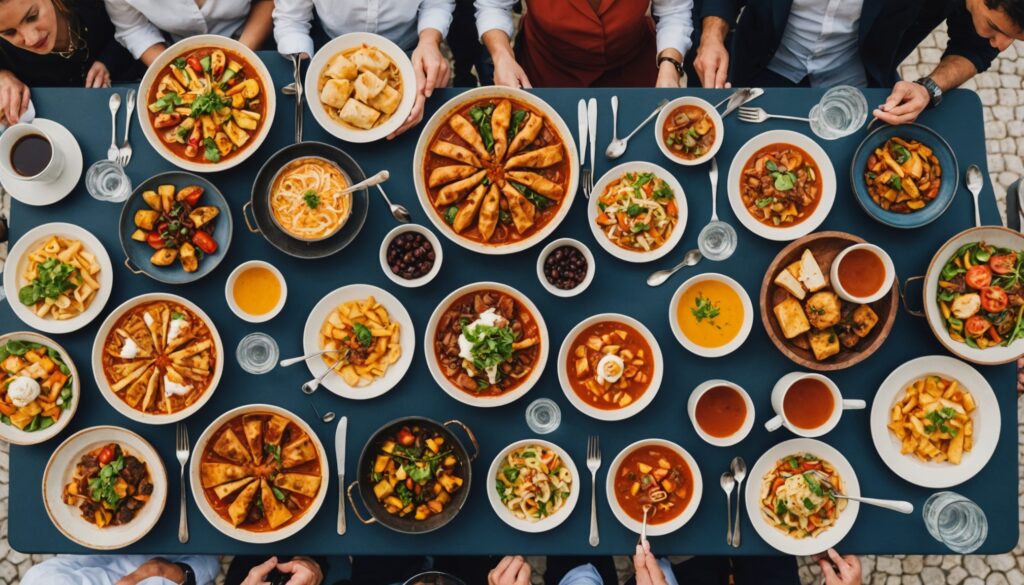
From September 10 to 13, 2026, Place de la Concorde in Paris hosts the tenth edition of the International Village of Gastronomy, one of the major Parisian events dedicated to world cuisine. For this anniversary, the event is scaling up:…
This article was written with the help of artificial intelligence. Editorial policy