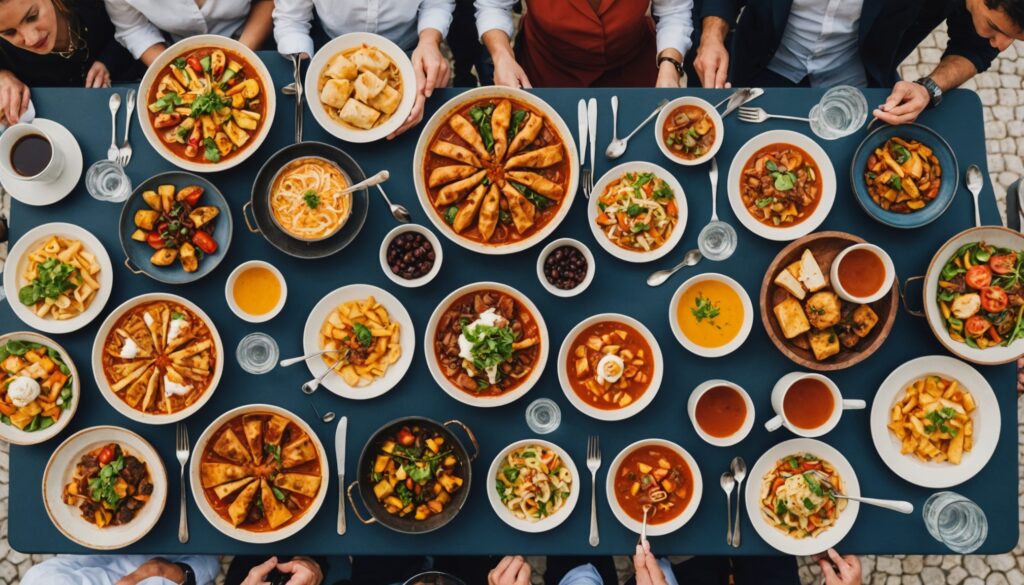


Forget sparsely filled dining rooms and dizzying bills: in Boulogne-Billancourt, a culinary ocean liner is about to drop anchor. Bouillon sur Seine opens its doors on September 15 on Île Seguin, with the openly stated ambition of becoming France's largest bouillon restaurant. It's a bet on sheer scale that speaks volumes about the French appetite for popular, generous, and… affordable dining.
A Floating Giant Facing the Seine
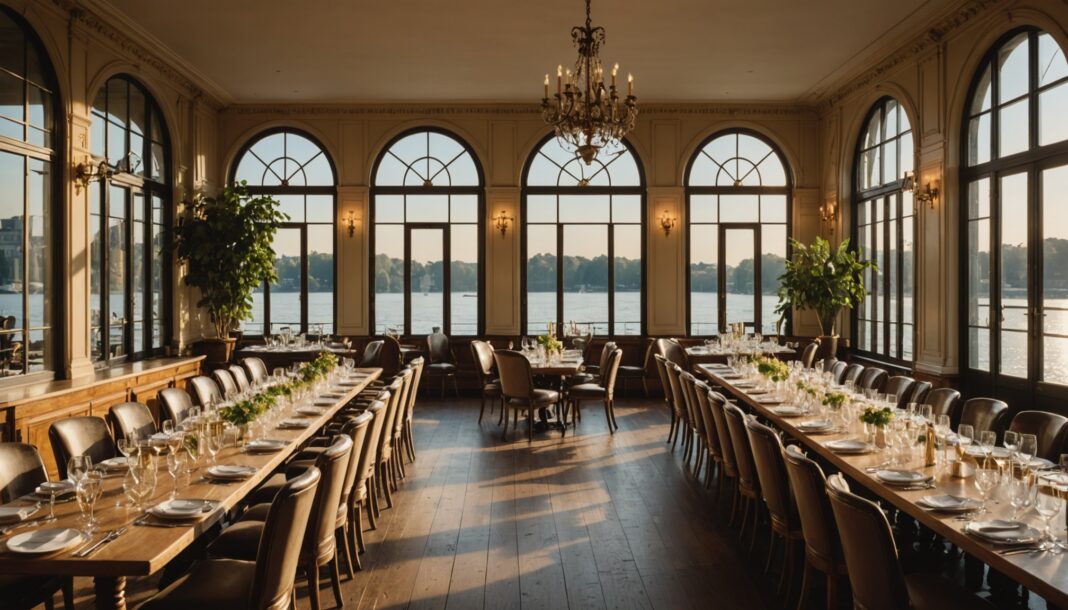
Backed by Christopher Préchez and Benjamin Moreel, the restaurant boasts dizzying numbers: 570 seats spread across 1,100 square meters, including about a hundred on a terrace with its feet almost in the water, facing the Seine Musicale. Continuous service from morning until late evening, a menu of timeless classics — egg mayonnaise, beef bourguignon, braised ham with mustard sauce — and prices that have nothing to do with those of an upscale Parisian brasserie. Enough to transform a former industrial wasteland, once home to the Renault factories, into a giant open-air canteen.
Why Bouillon Restaurants Are Riding High
The phenomenon didn't come out of nowhere. For about fifteen years, Parisian bouillons have been enjoying a spectacular comeback, and 2026 confirms the trend: after Bouillon Pigalle and Bouillon République in the capital, then Bouillon du Coq launched in Saint-Ouen under the impetus of Thierry Marx, the concept is now spreading to the outer suburbs and the provinces, from Deauville to Bayonne. This grand return of the XXL-sized bistro reflects a real shift in habits: people want to eat well, eat a lot, and not break the bank.
This context is no accident. With household food budgets in France still under pressure, the bouillon formula checks every box: generous portions, a bill that doesn't scare anyone, and cooking that feels more like grandma's kitchen than molecular gastronomy. A supermarket of conviviality, in short, where people come back as much for pleasure as out of budgetary necessity.
The Bet on Scale: Between Promise and Logistical Challenge
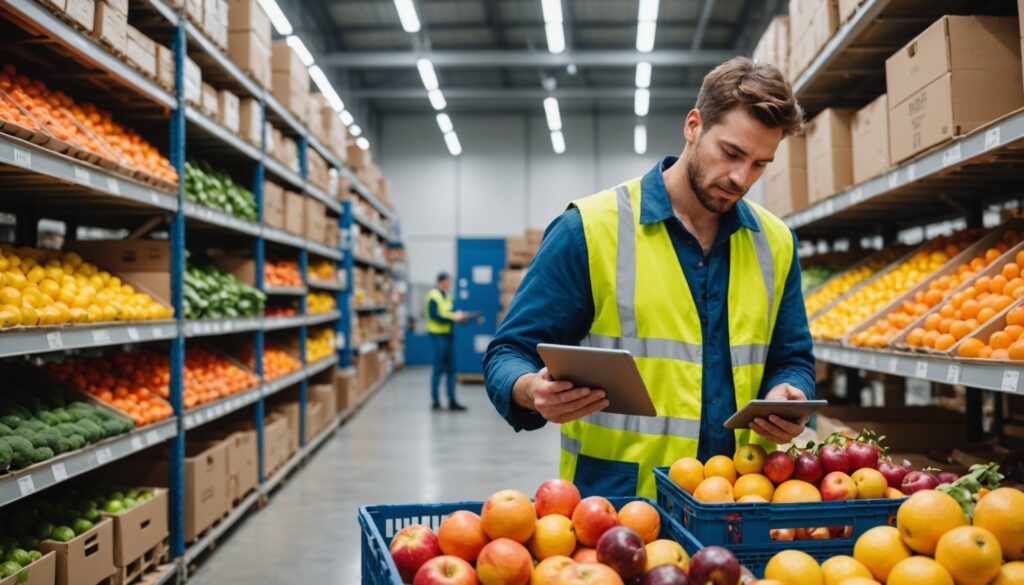
Running 570 seats continuously requires precision mechanics: kitchens organized like assembly lines, massive supply chains, and, inevitably, heightened food-safety vigilance. High-volume dining is not exempt from the same requirements as the rest of the food chain, at a time when European regulations on the safety of ready-to-eat foods are tightening. Still, the site, on an island steeped in industrial history, offers a spectacular setting to pull it off: views of the Seine, proximity to the Seine Musicale, and a clientele in the Hauts-de-Seine area that, until now, had never had access to a proper bouillon restaurant right on their doorstep.
If the concept lives up to its promise, it could well inspire other urban wastelands looking for a culinary makeover — and prove, once and for all, that luxury, sometimes, is simply a full plate at a fair price.
Frequently Asked Questions
What exactly is a “bouillon”?
Originally, in the 19th century, a “bouillon” referred to a popular Parisian restaurant that served cheap beef broth to workers. The name stuck, and it now refers to these generous brasseries, with a menu of traditional dishes and light bills, of which Bouillon Chartier remains the historic symbol.
When does Bouillon sur Seine open, and how much does a meal cost?
The opening is scheduled for September 15 on Île Seguin, in Boulogne-Billancourt. As with other bouillons, the stated goal is to keep prices very affordable, in the same vein as its Parisian cousins, where a starter-main-dessert meal generally doesn't exceed around 15 euros.
Why are bouillon restaurants so popular right now?
Between the steady rise in food prices and a desire to rediscover simple, convivial cooking, the bouillon model answers a dual expectation: eating well without blowing the budget, in a warm setting that bets on volume rather than scarcity.
Sources
Vegan Flavor Awards: PETA France's 2026 Rankings Unveil New Winners
This week once again, PETA France revealed new faces of its 2026 Vegan Flavor Awards, with a bakery-pastry shop in Aix-en-Provence and a plant-based aperitif specialist in the Pas-de-Calais freshly honored. It's a good opportunity to take stock of this…
Early Grape Harvests: Why the Heat Wave Is Upending French Winemakers' Calendar
In France's vineyards, the summer of 2026 will go down as a season of records. Driven by a historic heat wave and significant drought, early grape harvests are multiplying across the country: some winemakers began picking as early as the…
Listeria in Ready-to-Eat Foods: EU Regulations Tighten
A new European text is changing the rules for the safety of ready-to-eat foods. Starting July 1, 2026, Regulation (EU) 2024/2895 replaces the previous framework governing the bacterium Listeria monocytogenes, with stricter rules for manufacturers and distributors. Tartares, pastries, ice…
Food Contaminants: What France's New Anses Reference Study Reveals
Acrylamide, lead, mercury, cadmium, aluminum: the French Agency for Food, Environmental and Occupational Health & Safety (Anses) has just released the first results of its third total diet study (EAT3), a landmark effort that measures what French people actually absorb…
Tomato Harvest Takes a Hit: Intermarché Bets on Misshapen Produce
The heat wave and drought that marked the summer of 2026 are leaving their mark on produce aisles in France. The tomato harvest has dropped by about 30% and lettuce has become scarcer, forcing retailers to rethink their supply habits.…
Chocolate: Why Prices Remain High Even as Cocoa Costs Fall
Global cocoa prices have cooled off, but the price of chocolate on store shelves refuses to come back down. In France, chocolate bars are up an average of 15.3% over the past year, with some climbing as high as €4.69…
Cost of Eating Healthy: What the UN's 2026 Report Reveals
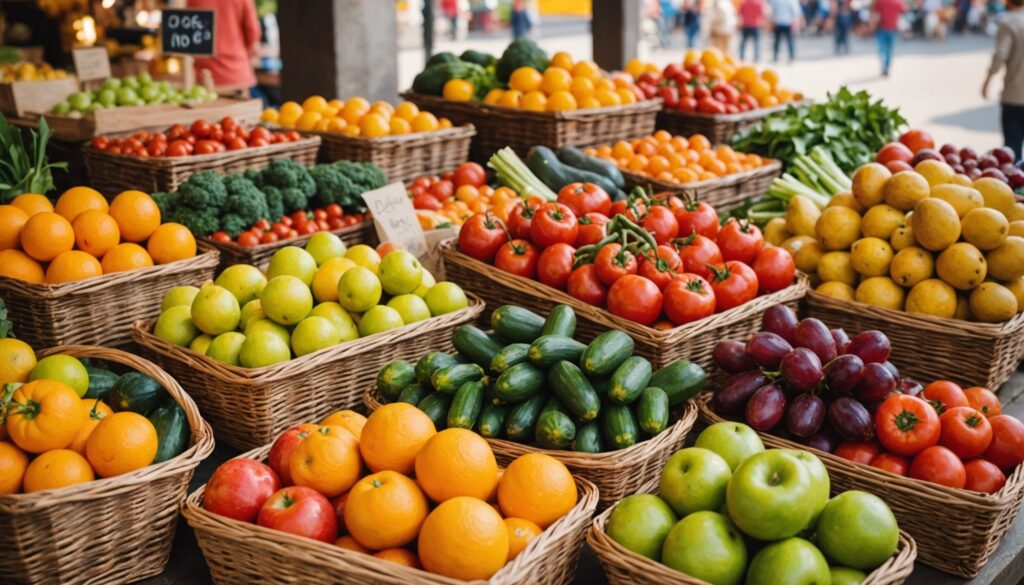
Eating well has never cost more. The cost of a healthy diet has jumped 25% in five years, according to the 2026 report from United Nations agencies on food security, released on July 21. Behind this figure lies a reality…
Honey, Jam, Fruit Juice: What the New Labeling Regulation Changes
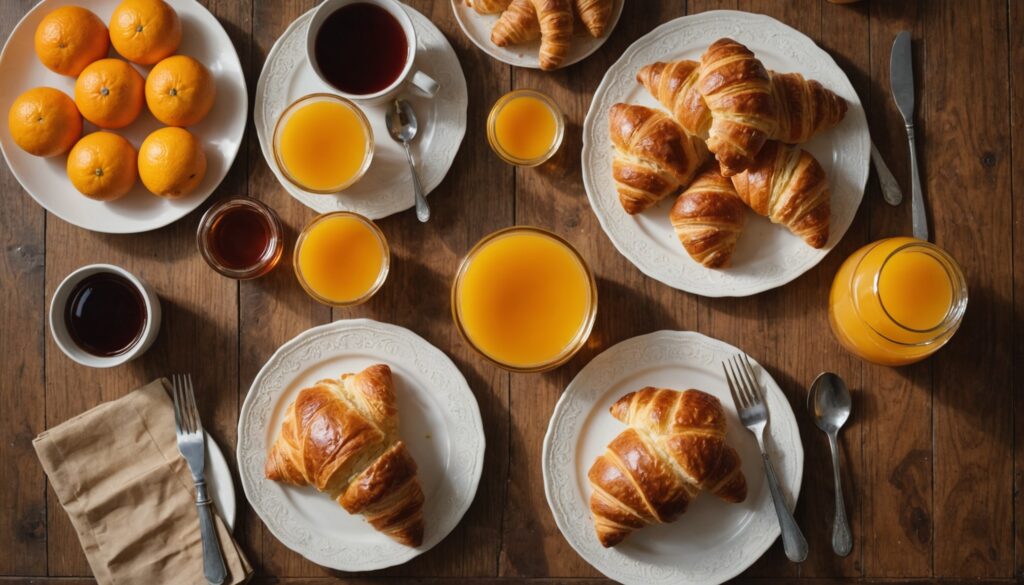
Honey, jams, fruit juices, dehydrated milk: the products that fill our breakfast tables are getting new labels. A new European labeling regulation, transposed into French law by a decree published in late April 2026, requires greater transparency regarding the origin…
This article was written with the help of artificial intelligence. Editorial policy