

Starting September 18 and running through October 8, France is taking part in European Sustainable Development Week (SEDD), an annual highlight held across Europe. Local governments, businesses, schools, nonprofits, and ordinary citizens are invited to organize or join concrete actions built around the 17 sustainable development goals of the 2030 Agenda. This year's edition puts a very tangible theme in the spotlight: sustainable eating.
A “week” (actually three) devoted to local action
Despite what its name suggests, SEDD actually spans more than three weeks, with a designated “highlight period” from September 20 to 26. This deliberately long format lets as many participants as possible fit their event into the calendar: talks, exhibitions, workshops, screenings, site visits, or performances. Any organization can register its initiative on the dedicated European platform, which makes the operation far more grassroots than a single centralized event.
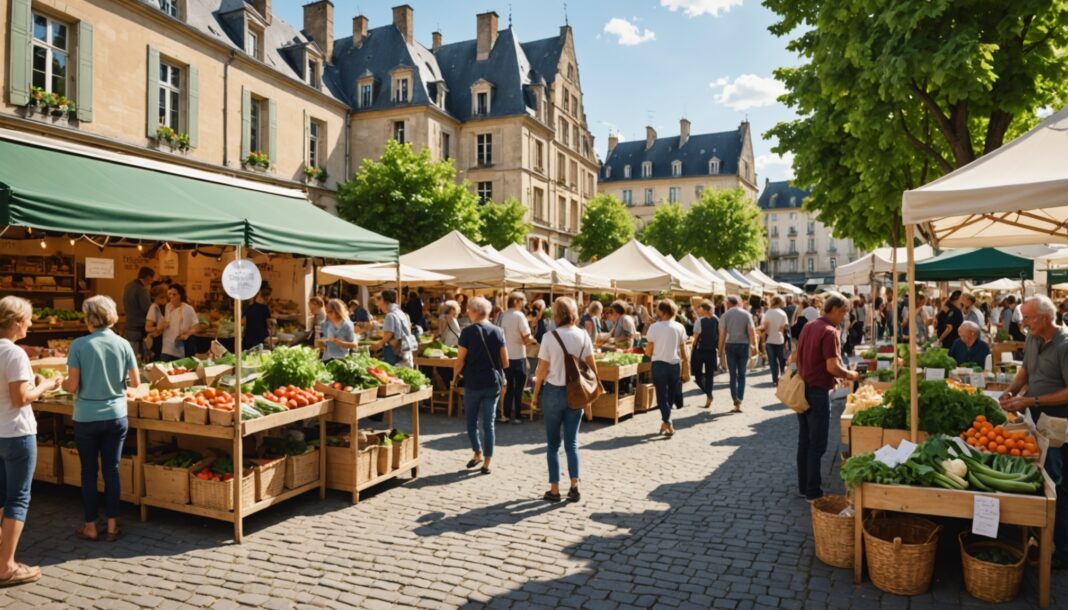
SEDD's strength lies precisely in this accumulation of local initiatives rather than a single national gathering. A city hall might organize a farmers' market, a high school a workshop on food waste awareness, and a company an internal talk on its supply chains.
This year, sustainable eating takes center stage
The theme chosen for this edition defines sustainable eating as environmentally friendly, economically fair to producers, socially accessible, and good for health. It's a broad definition, one that covers everything from short supply chains to the fight against food waste to shifting eating habits.
The topic comes at a time when the cost of healthy eating remains a real obstacle for a share of households, according to a recent United Nations report. Reconciling affordability with environmental impact is, in fact, one of the most debated points among the week's organizers.
An event set against a tense climate backdrop
SEDD 2026 is taking place just weeks after a summer marked by record heat, in France as elsewhere in Europe. The first annual report on the impacts of climate change in France highlighted the scale of the adjustments ahead, particularly for agriculture and water resources. On the regulatory front, France also recently brought into effect a polluter-pays fee targeting PFAS found in tap water, another sign of the growing weight environmental issues now carry in public policy.
Against this backdrop, SEDD offers a simple framework for turning global concerns into concrete action, whether at the scale of a neighborhood, a company, or a classroom.
Frequently Asked Questions
Who can take part in European Sustainable Development Week?
Everyone: local governments, businesses, schools, nonprofits, and citizens can organize or join an event registered under SEDD.
What is the theme of the 2026 edition?
Sustainable eating, defined as food that is environmentally friendly, economically fair, socially accessible, and good for health.
How do you register an event?
Organizers can register their initiative on the dedicated European platform for the event, which lists all the actions organized across participating countries.
Sources
- French Ministry for Ecological Transition — European Sustainable Development Week 2026
- Agenda 2030 France — SEDD 2026
- Orientation Environnement — SEDD 2026, dates and theme
Fonds Chaleur Suspended: What the Decision Means for Local Governments and Households
The French government has just suspended the Fonds Chaleur, the Ademe (France's agency for ecological transition) program that has funded renewable heating and cooling networks since 2009: biomass, geothermal, solar thermal, and industrial waste heat recovery. Announced on November 3…
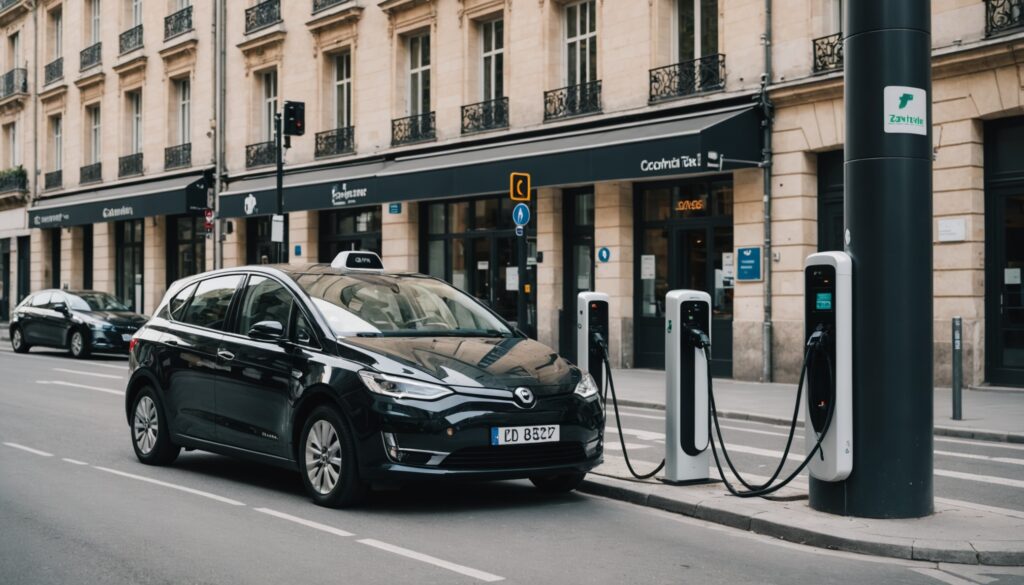
Electric Taxis: Up to €5,500 in Aid for Drivers
Driving all day to transport passengers is one of the most intensive uses a car can get. To speed up the electric transition of this heavily used fleet, the French government has introduced a financial aid program dedicated to taxis,…
PFAS in Tap Water: The Polluter-Pays Fee Finally Takes Effect
After more than a year of delay, the polluter-pays principle finally applies to PFAS discharges into water. Since September 1, 2026, industrial companies that dump these “forever chemicals” must pay a fee — a landmark measure in our environment and…
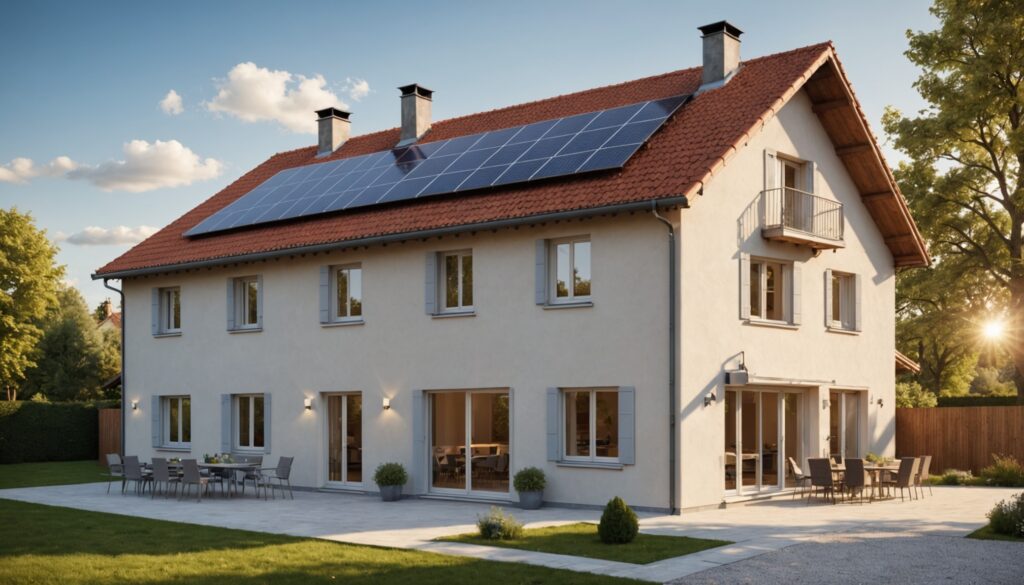
Energy Renovation: CEE Grants Narrowed to Focus on the Leakiest Homes
Starting September 1, 2026, energy renovation grants are entering a new phase. Two decrees signed on August 17, 2026, and published in the Journal officiel (France's official gazette) on August 23, narrow the French Energy Savings Certificates (CEE) scheme around…

COP17 on Desertification: The Global Summit Set to Change the Game for Farmland
From August 17 to 28, 2026, Ulaanbaatar is hosting COP17 of the United Nations Convention to Combat Desertification (UNCCD). Far from the cliché of a summit reserved for the Sahel countries, this conference raises a question that directly concerns Europe…
Greenwashing: The EU's Anti-Greenwashing Directive France Hasn't Transposed Yet
Since September 27, 2026, European Union member states have had to apply strict rules against greenwashing: this is the date the directive (EU) 2024/825, nicknamed EmpCo, entered into application. The problem: France has still not transposed the text into its…
Plastic Bottle Deposit Scheme: Government Drops Mandatory National System
So much for the dream of a mandatory plastic bottle deposit scheme across France. The government has just given up on requiring municipalities to adopt a national deposit system for plastic bottles, opting instead for an opt-in approach limited to…
Summer 2026: France and Europe Shatter Sunshine Records
Nearly uninterrupted sunshine, electric meters spinning in the best possible way: summer 2026 will go down in the continent's climate and energy history books. According to official data from Météo-France (the French national meteorological service), five Western European countries recorded,…
This article was written with the help of artificial intelligence. Editorial policy