
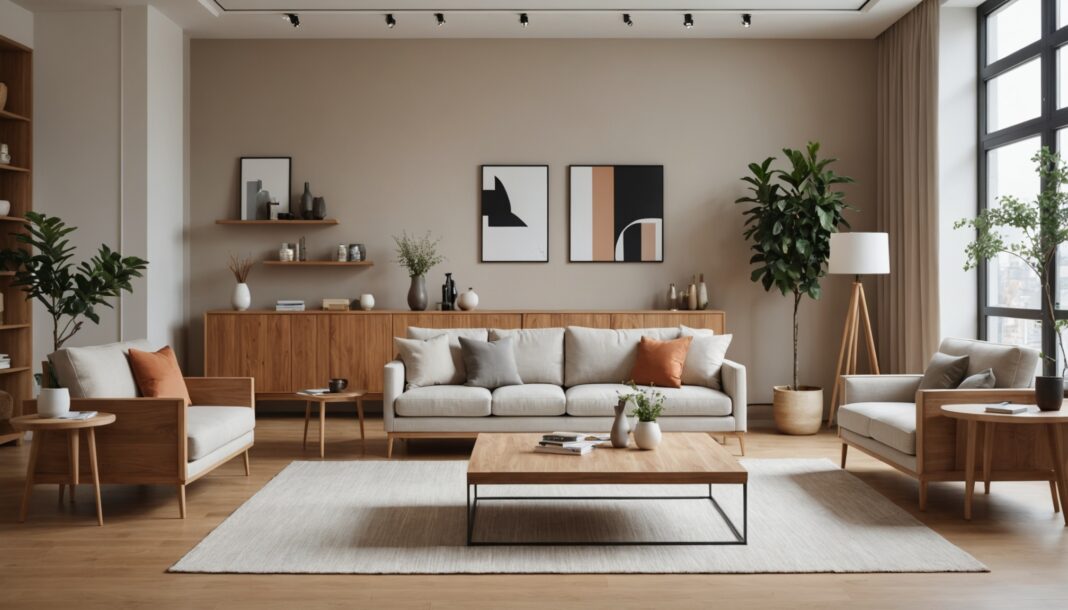

The furniture industry is going through its third consecutive year of decline in France, but behind this slowdown lies a deeper transformation: long-term rentals, trade-ins, and organized secondhand sales are gradually becoming part of consumer buying habits.
According to data published in early February 2026 by Ameublement français, the Conseil National de l'Ameublement Français (CNEF), the French national furniture council, and the Institut de Prospective et d'Études pour l'Ameublement (IPEA), the French furniture industry's research institute, the market was worth 13.6 billion euros in 2025, down 1.8%—a net loss of roughly 250 million euros. This figure continues an already established trend: -2.5% in 2023, followed by -5.1% in 2024. The pace of decline is therefore slowing, without reversing.
A Two-Speed Market
Not all segments are in the same boat. Kitchens remain the only category in growth, up 2% over the year to a total of 3.8 billion euros, or 27.6% of the market. Sofas, armchairs, and benches limited the damage with a 1.8% decline (2.4 billion euros). By contrast, traditional furniture fell 4% (4.3 billion euros) and bedding dropped 2.7% (2 billion euros).
On the retail side, specialty chains are coming out ahead with 1.6% growth (3.5 billion euros), the only distribution channel to post a positive result. Large furniture retail chains, though the market leader with a 38.4% share (5.2 billion euros), fell 2.7%. One encouraging sign, however: the second half of 2025 saw five consecutive months of growth, from July to November.
Rentals, Trade-Ins, and Secondhand: New Buying Habits
It is against this backdrop of a constrained market that new consumption patterns are gaining ground, according to an analysis by Le Courrier du Meuble, a trade publication for the sector. Retailers are developing long-term rental offers aimed in particular at students and young professionals, in order to build loyalty among a mobile customer base without committing them to an outright purchase.
Another lever under development: trading in old furniture upon delivery of new pieces, paired with in-store spaces dedicated to secondhand and refurbished items. The stated goal of retailers is to bring the furniture's “second life” directly into their own commercial offering, rather than leaving it solely to secondhand specialists.
These practices remain nascent, however: neither Le Courrier du Meuble nor the sector's official data provide, at this stage, a consolidated figure on the actual market share held by rentals or trade-ins. The research firm Xerfi has nonetheless dedicated studies to these “subscription and rental formulas,” a sign that the topic is now being closely tracked by industry analysts.
- €13.6 billion: revenue of the furniture market in France in 2025 (-1.8%)
- +2%: the only sector-wide gain, recorded by kitchens
- +1.6%: growth of specialty chains, the only positive distribution channel
- 5 months of consecutive growth between July and November 2025
What This Means for Households
For households planning to furnish or redo their interiors, these shifts open up concrete options: comparing renting versus buying for furniture intended for temporary use, checking into the trade-in services offered by a retailer before buying new, or favoring specialty retailers, whose sales results suggest stronger service and advice. Conversely, caution is still warranted in the most fragile segments, such as traditional furniture, where price pressures could persist.
Find more tips for organizing your everyday purchases in our Consumer & Shopping section, ideas for your home in Home and Garden, and news about the sector's economic players in Business – Society.
Frequently Asked Questions
How much is France's furniture market worth in 2025?
According to Ameublement français, the CNEF, and the IPEA, the market was worth 13.6 billion euros in 2025, down 1.8% from 2024, following declines of 2.5% in 2023 and 5.1% in 2024.
Which furniture segment is performing best right now?
Kitchens are the only category in growth in 2025, up 2% to a total of 3.8 billion euros, ahead of sofas and armchairs, which limited their decline to 1.8%.
What new consumption patterns are emerging?
Retailers are developing long-term rental offers, trade-in services at delivery, and spaces dedicated to secondhand and refurbished furniture, even though their actual weight in overall revenue has not yet been publicly quantified.
Sources
- Le Courrier du Meuble – Bilan annuel du marché du meuble
- Le Courrier du Meuble – Marché du meuble en France 2026
- Xerfi – La distribution et le marché du meuble
Dining Room: The New Trends Transforming This Everyday Space
Gone is the big, fixed piece of furniture reserved for Sunday meals: the dining room is becoming a hybrid space in French homes, somewhere between a home office, a homework corner, and an entertaining area. This shift in how the…
2026 Decor Trends: Warm Minimalism and Cloud Dancer White Are Warming Up Our Homes
Forget all-white, icy interiors reminiscent of a waiting room. The 2026 decor trends tell a different story: one of interiors that slow down, warm up, and finally embrace their imperfections. The clearest signal came from Pantone, which crowned Cloud Dancer…
Paris Design Week: Design Returns to Paris in September
Paris Design Week is back from September 10 to 19 in the French capital. For ten days, nearly 600 designers and creators will take over roughly 400 iconic venues across Paris, including four national monuments, for this new edition built…
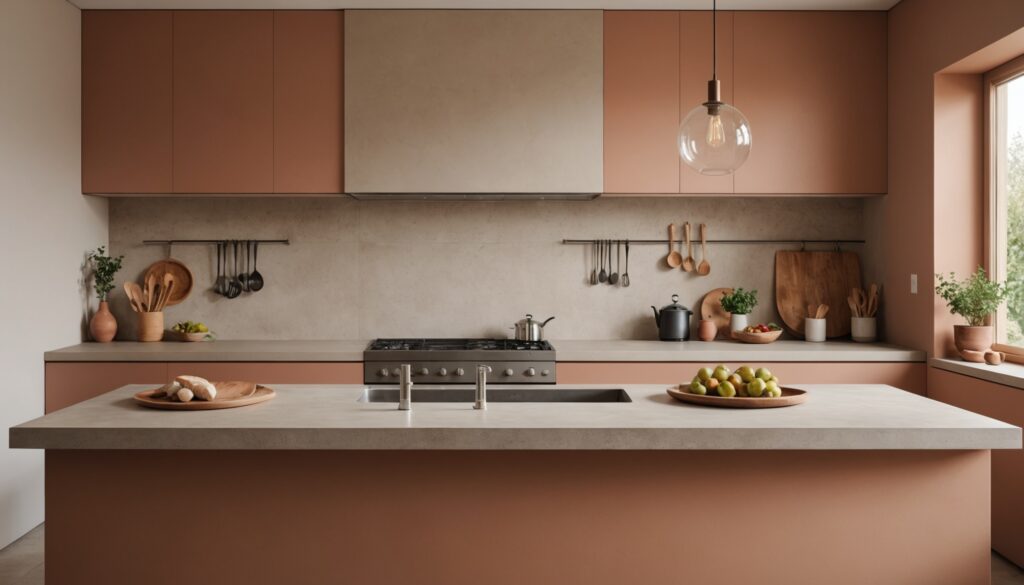
Microcement in the Kitchen: The Trend from Spain That's Pushing Out Tile
In French kitchens, a material from Spain is upending a habit that's decades old. Microcement is gaining ground over traditional tile, driven by a simple demand: putting an end to grout lines that turn black and complicate everyday upkeep. This…
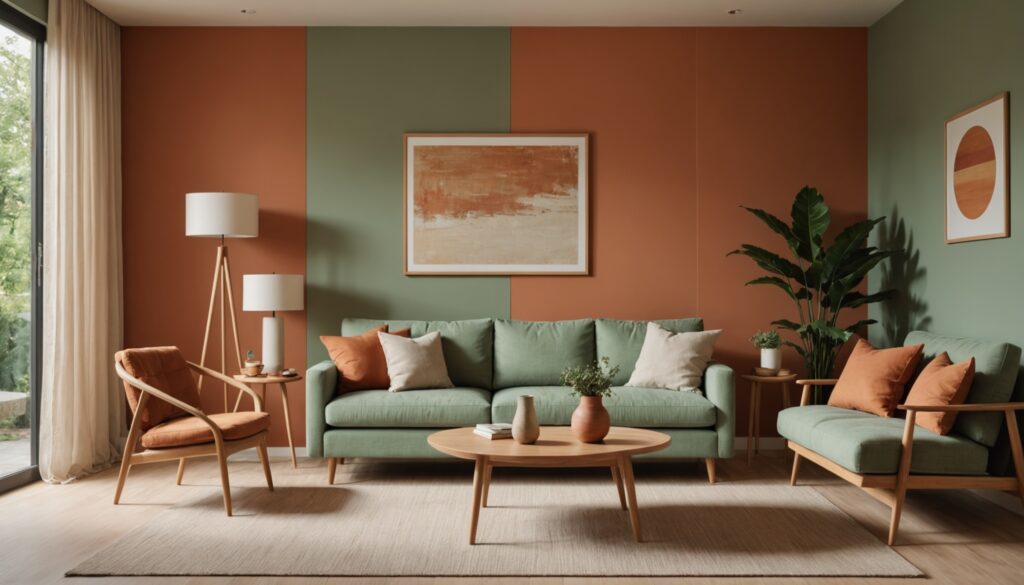
Home Decor: Why Raw Wood and Warm Tones Are Dethroning White
Kitchens and living rooms are changing their palette. In the decor trends taking shape for the new season, raw wood and warm tones are regaining ground on pure white, long the go-to choice in French interiors. Paint manufacturers, trade shows,…
Furniture Environmental Label: How to Read It and Why It's Coming
An environmental score will soon accompany furniture sold in France. Sofas, armchairs, beds, tables, and chairs will be the first affected by this label, designed to help buyers compare a piece of furniture's ecological impact before checking out. Here's how…
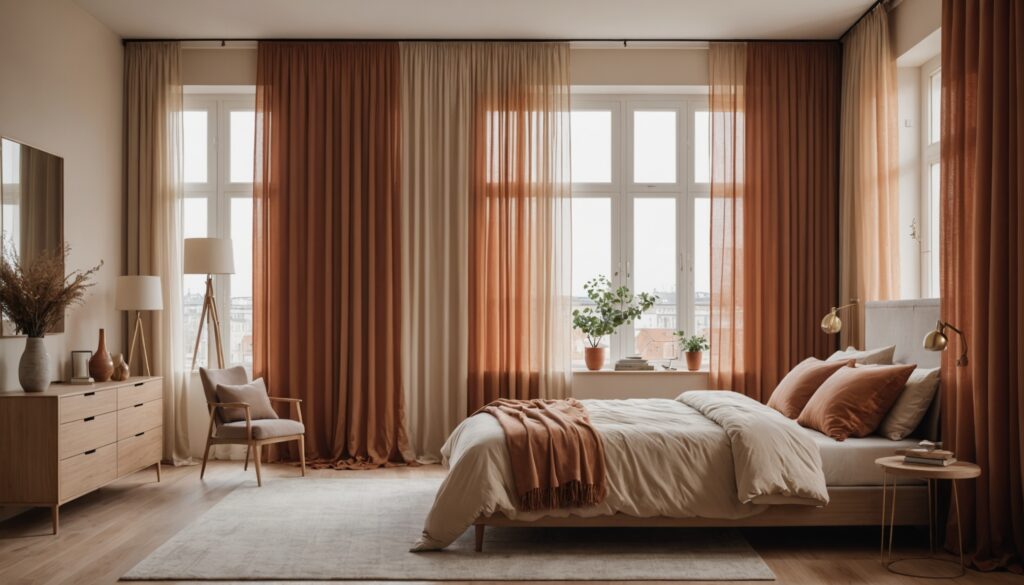
Curtains and Fabric Partitions: The New Way to Divide a Room Without a Door
This fall, interior designers are drawing a line through classic doors and heavy double curtains. Enter sheer curtains and fabric partitions, a trend that is reshaping the way we divide a room without weighing it down. Goodbye Doors, Hello Sliding…
Decor: Why Brown and Round Shapes Are Taking Over Living Rooms
Gone are all-white Scandinavian styling and interiors frozen in restraint. This fall 2026, decor is changing its tone: warm colors, rounded shapes, and an openly embraced vintage spirit are literally warming up living rooms. Here's a look at a trend…
This article was written with the help of artificial intelligence. Editorial policy