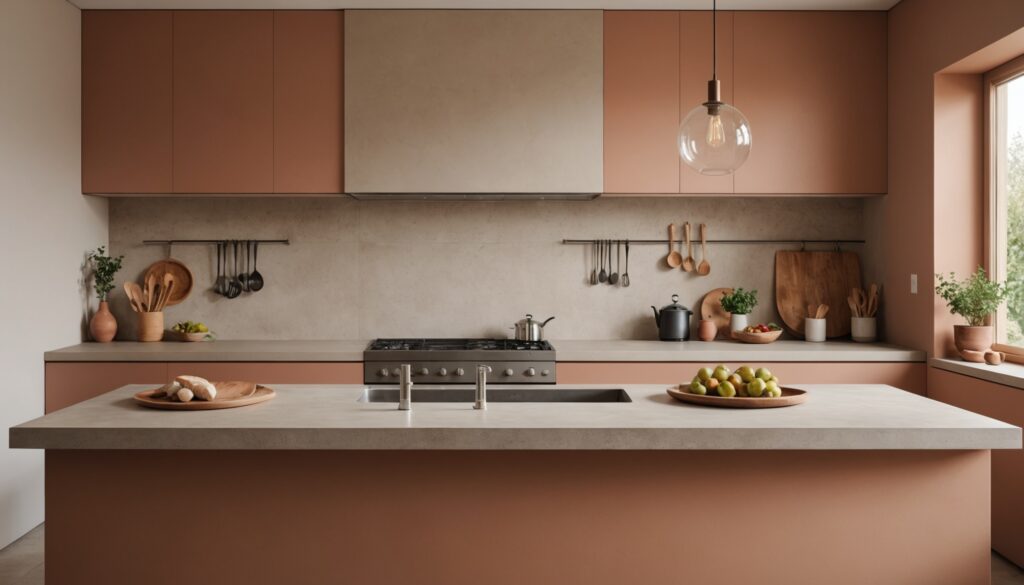

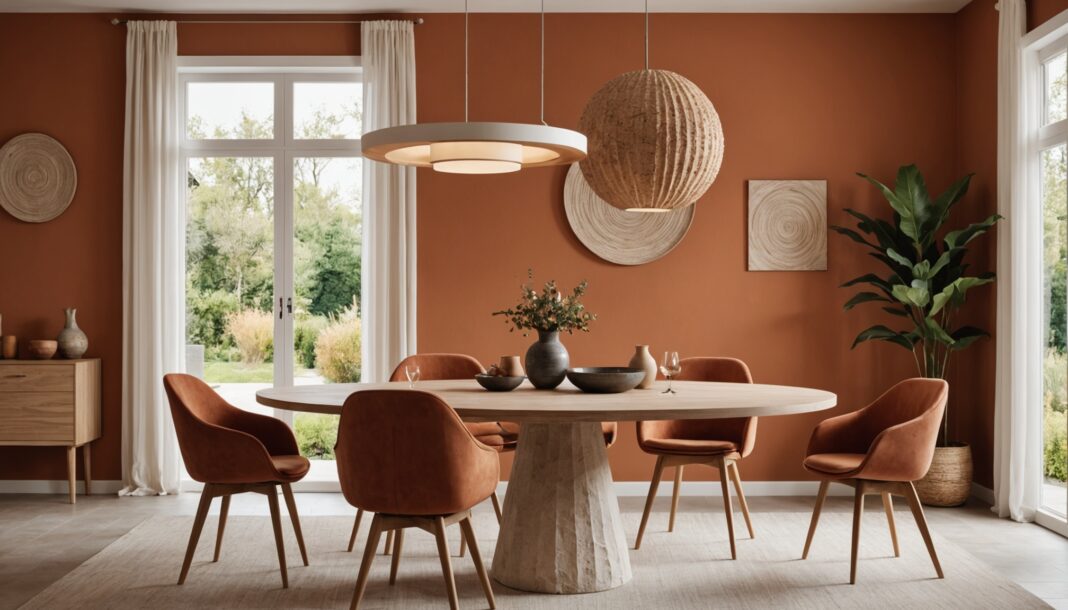

Gone is the big, fixed piece of furniture reserved for Sunday meals: the dining room is becoming a hybrid space in French homes, somewhere between a home office, a homework corner, and an entertaining area. This shift in how the room is used is reshaping its furniture and decor codes from the ground up as the back-to-school season approaches.
A Room That Changes Function Throughout the Day
Long reserved for special occasions, the dining room is turning into a multifunctional space: it's used in the morning for working on a laptop, in the afternoon for the kids' homework, and in the evening it goes back to its traditional role of hosting a dinner with friends. This versatility is placing new demands on furniture, which now has to adapt to multiple uses within the same day.
Round, Extendable Tables Take Over
The first visible change: the large, fixed rectangular table is giving way to rounder shapes, seen as more inviting and better suited to smaller spaces. The extendable table is becoming the standard: compact enough for four to six people day to day, it easily opens up to seat more guests, with opening mechanisms that are more discreet than before.
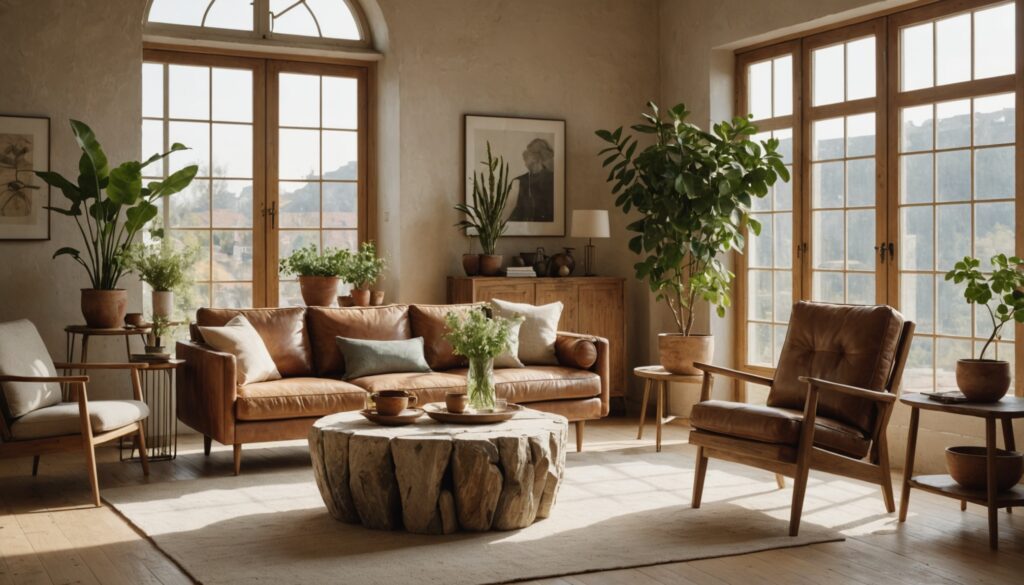
When it comes to materials, solid wood still holds a central place but now shares the spotlight with travertine, textured oak, walnut, natural stone, and artisanal ceramic. Overly smooth finishes are giving way to more textured surfaces, in line with the broader return of natural materials in interior design.
Mismatched Chairs and More Enveloping Seating
Another break from classic conventions: a matching set of chairs is no longer the default. Mismatched seating is gaining ground, mixing styles and materials for a more personal look. The chairs themselves are evolving toward more enveloping shapes, almost armchair-like, designed to encourage guests to linger longer at the table.
- Round or extendable tables rather than fixed rectangular ones;
- Textured materials: travertine, oak, natural stone, ceramic;
- Mismatched chairs and enveloping seating;
- Large statement pendant lights above the table;
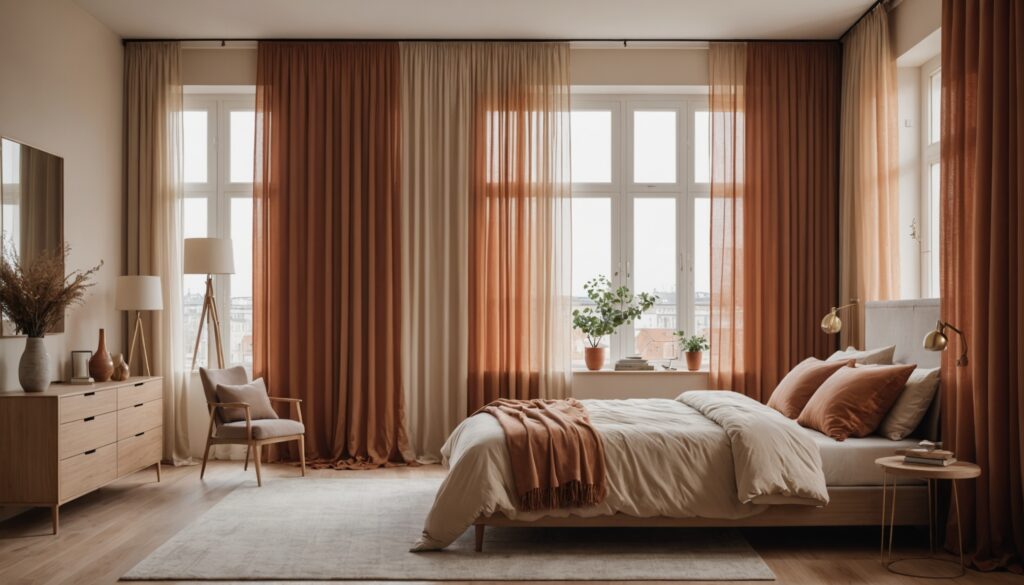
- A palette of warm tones: terracotta, clay brown, soft ochre.
Light and Color as Structuring Elements
Above the table, the simple, purely functional pendant light is giving way to true sculptural pieces that visually structure the dining area. In terms of color, cool tones are retreating in favor of warm, earthy shades—terracotta, clay brown, soft ochre—extending a movement already seen in other living spaces, where deep colors are gradually replacing pastel tones.
This rise of raw materials and earthy tones in the dining room echoes a broader trend already seen in the living room, where textile solutions are replacing elements that used to be rigid, such as doors or solid partitions.
Frequently Asked Questions
Why are round tables favored in 2026?
They naturally encourage conversation among guests, adapt better to smaller spaces, and soften the lines of a room that now has to serve several functions throughout the day.
Which materials should be chosen for a long-lasting dining table?
Solid wood, travertine, natural stone, and artisanal ceramic are recommended for their durability and textured look, which is replacing overly smooth finishes now seen as cold.
Do all the chairs around the table need to match?
No, the 2026 trend leans toward mismatched seating, mixing styles and materials for a more personal look, as long as chair height and color palette stay consistent.
Sources
Furniture Environmental Label: How to Read It and Why It's Coming
An environmental score will soon accompany furniture sold in France. Sofas, armchairs, beds, tables, and chairs will be the first affected by this label, designed to help buyers compare a piece of furniture's ecological impact before checking out. Here's how…
Home Decor: What's Disappearing From Our Interiors This Season
Every fall decor season has its headline arrivals. It also has its departures—quieter, but just as telling. As the Maison&Objet trade show approaches, opening its doors on September 10 in Villepinte, near Paris, under the theme “Pulse in Motion,” the…
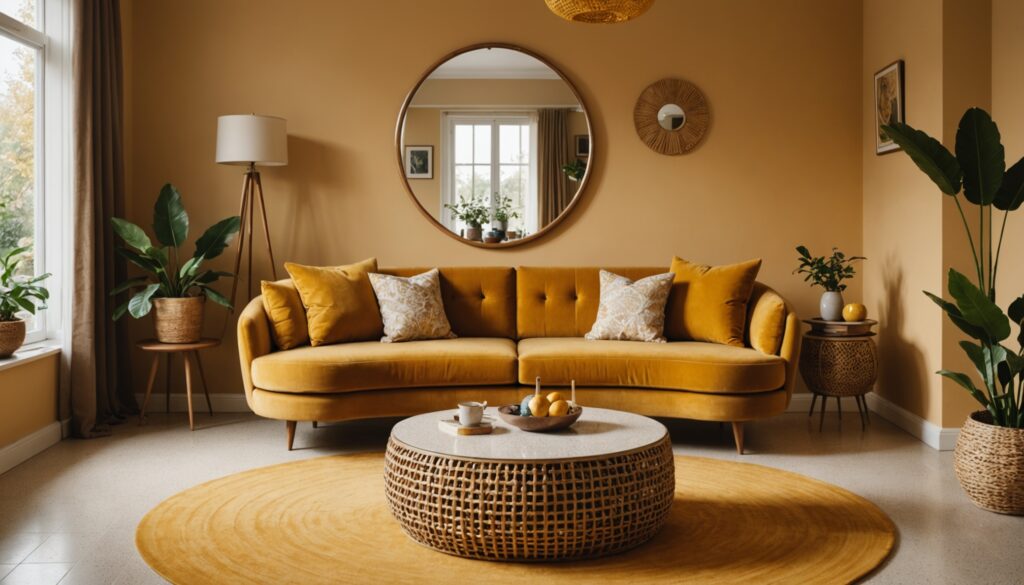
Decor: Why Brown and Round Shapes Are Taking Over Living Rooms
Gone are all-white Scandinavian styling and interiors frozen in restraint. This fall 2026, decor is changing its tone: warm colors, rounded shapes, and an openly embraced vintage spirit are literally warming up living rooms. Here's a look at a trend…
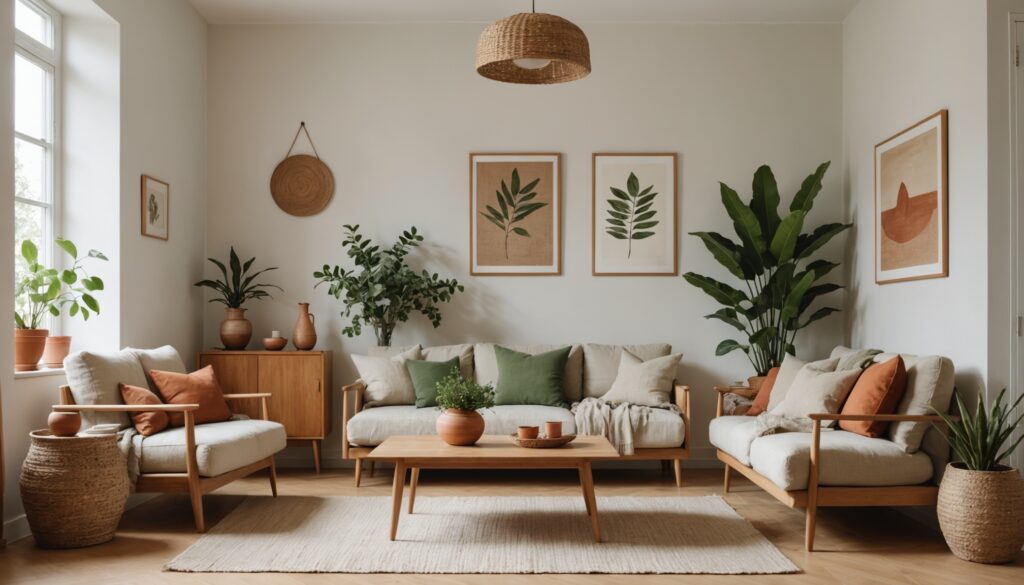
2026 Decor Trends: Warm Minimalism and Cloud Dancer White Are Warming Up Our Homes
Forget all-white, icy interiors reminiscent of a waiting room. The 2026 decor trends tell a different story: one of interiors that slow down, warm up, and finally embrace their imperfections. The clearest signal came from Pantone, which crowned Cloud Dancer…
Decor: Why France's Furniture Market Is Shrinking Despite Maison&Objet's Big Show
While Maison&Objet and the Paris Design Week are in full swing in Paris, with halls packed with new releases and a resolutely optimistic back-to-school theme, the numbers from the French furniture market tell a more mixed story. Between a showcase…
France Design Week: Design Takes Over the Regions to Tackle Major Challenges
From September 18 to 30, France Design Week brings design to the heart of France's regions, well beyond the usual Paris trade shows. Led by the association APCI – Promotion du design, this seventh edition brings together more than 600…
Secondhand Furniture: Why the Circular Economy Is Taking Hold in French Design
The mismatched sofa or thrifted dresser is no longer a stopgap: it has become the heart of a new, structured industry. In France, secondhand and upcycled furniture is now establishing itself as a market segment in its own right, driven…
Furniture in France: Rentals and Secondhand Are Reshaping the Market
The furniture industry is going through its third consecutive year of decline in France, but behind this slowdown lies a deeper transformation: long-term rentals, trade-ins, and organized secondhand sales are gradually becoming part of consumer buying habits. According to data…
This article was written with the help of artificial intelligence. Editorial policy