

Gone are all-white Scandinavian styling and interiors frozen in restraint. This fall 2026, decor is changing its tone: warm colors, rounded shapes, and an openly embraced vintage spirit are literally warming up living rooms. Here's a look at a trend that's already taking hold among decorators and homeowners alike.
Brown Dethrones Beige
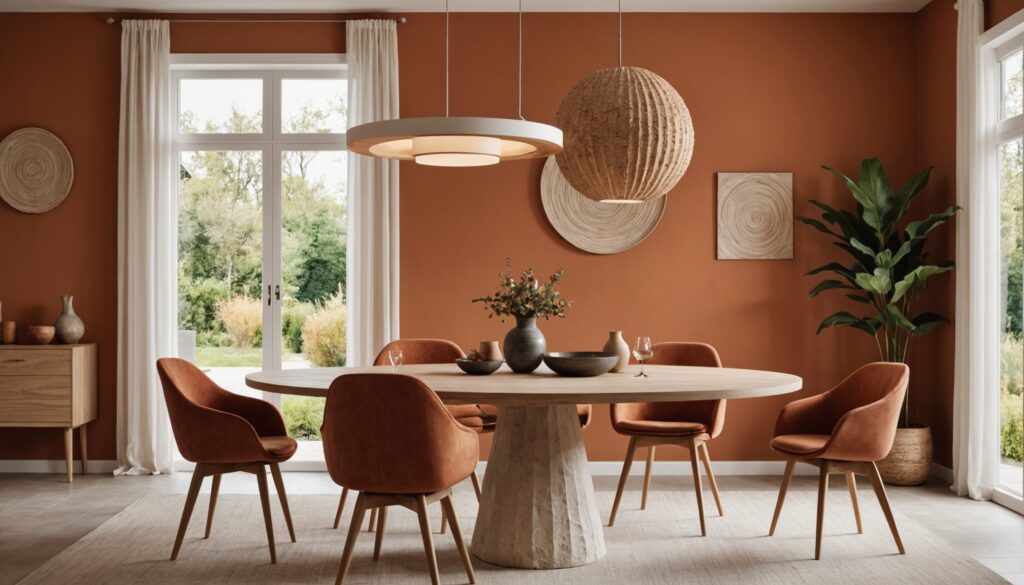
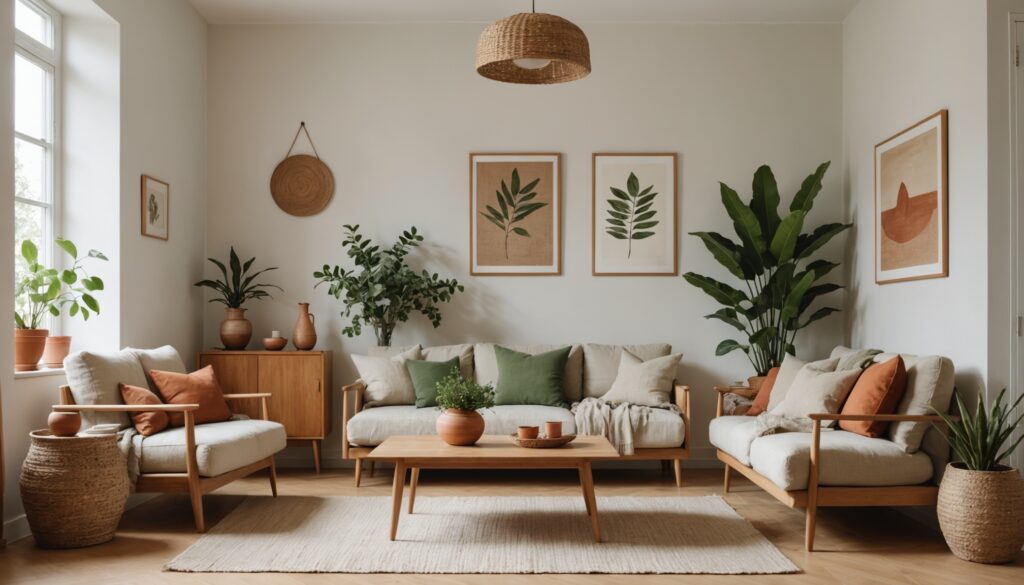
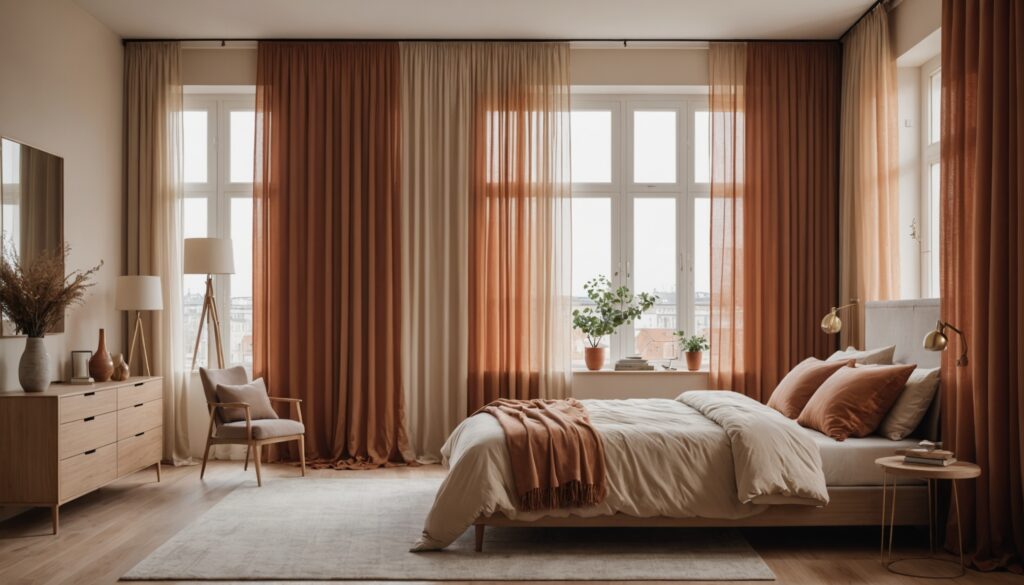
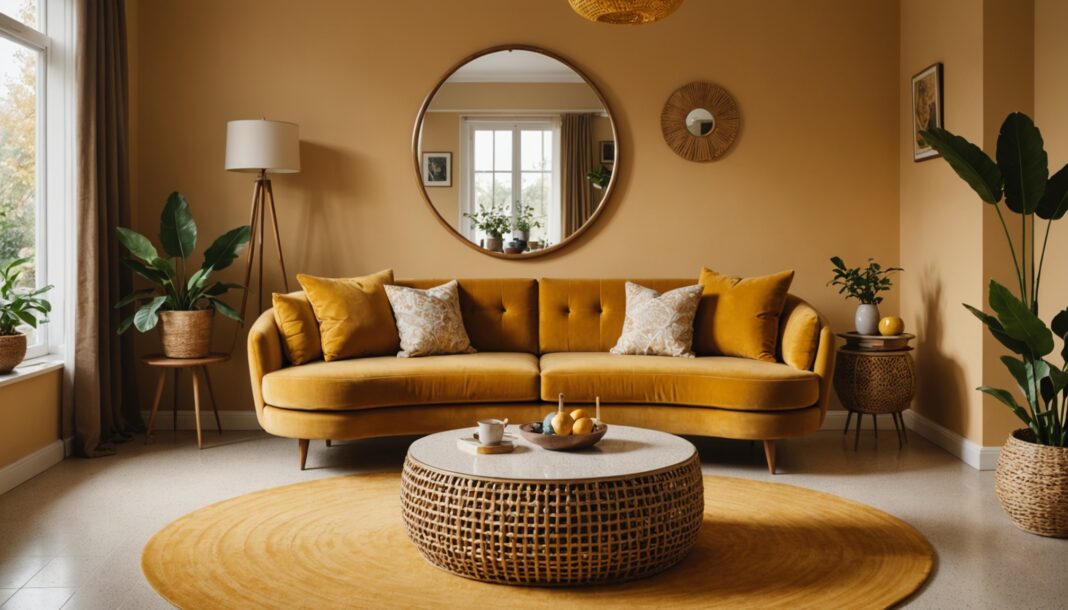
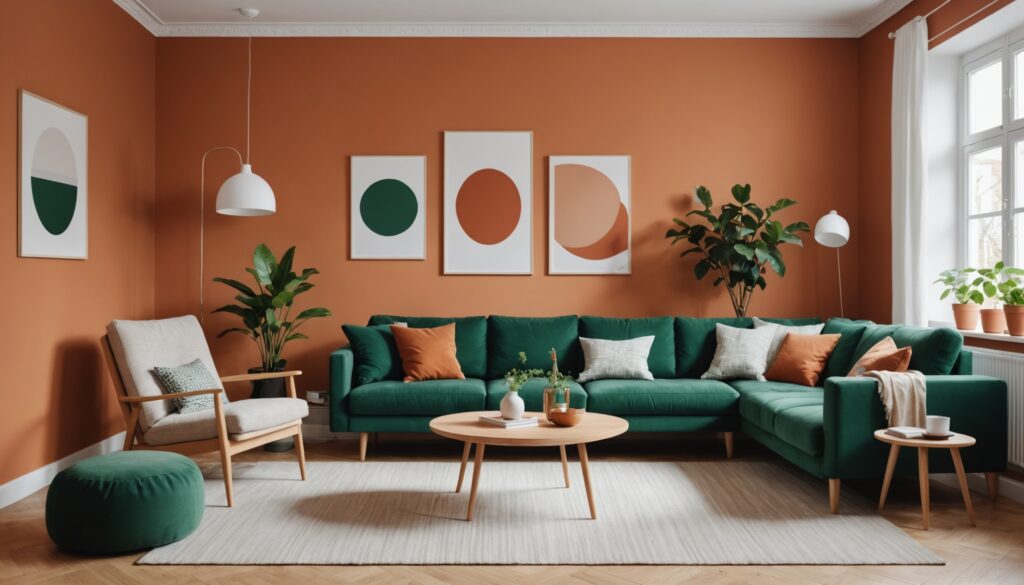
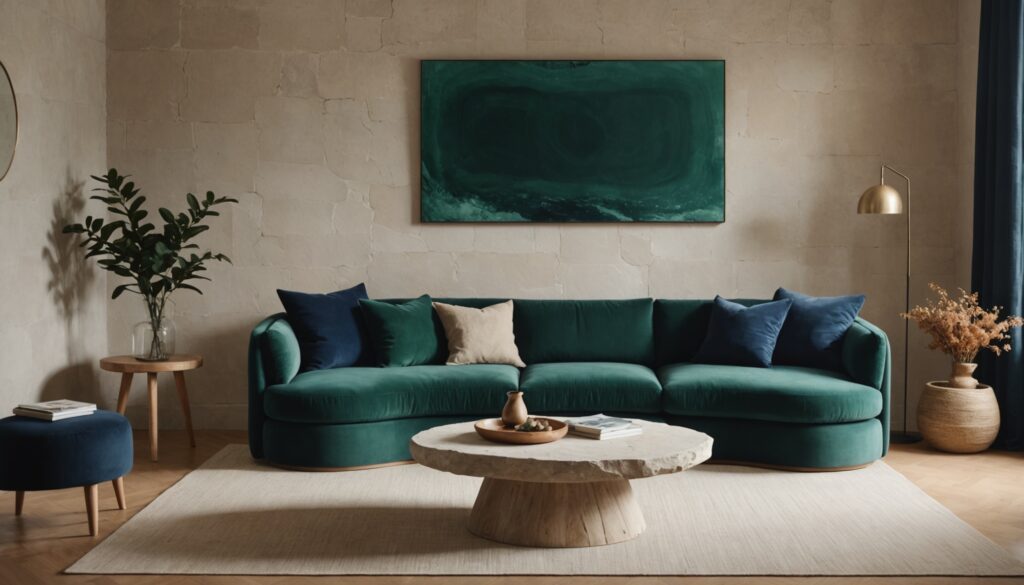
This fall's palette plays the depth card. Brown is taking the place of beige, now seen as too flat, paired with olive green and plum tones to add character. Mustard yellow and honey yellow continue to brighten living spaces, while orange remains the color bold enough to stand out on a sofa or a wall. Industry specialists are already talking about the shades set to take over next year, from emerald green to light blue — a sign that Scandinavian restraint is no longer the only reference point.
This colorful shift comes with a marked return of layering: several colors, patterns, and materials now coexist in the same room, where minimalism once called for a single dominant shade. The new watchword isn't simplicity, but comfort and individuality.
Round Shapes, Velvet, and a '60s Spirit
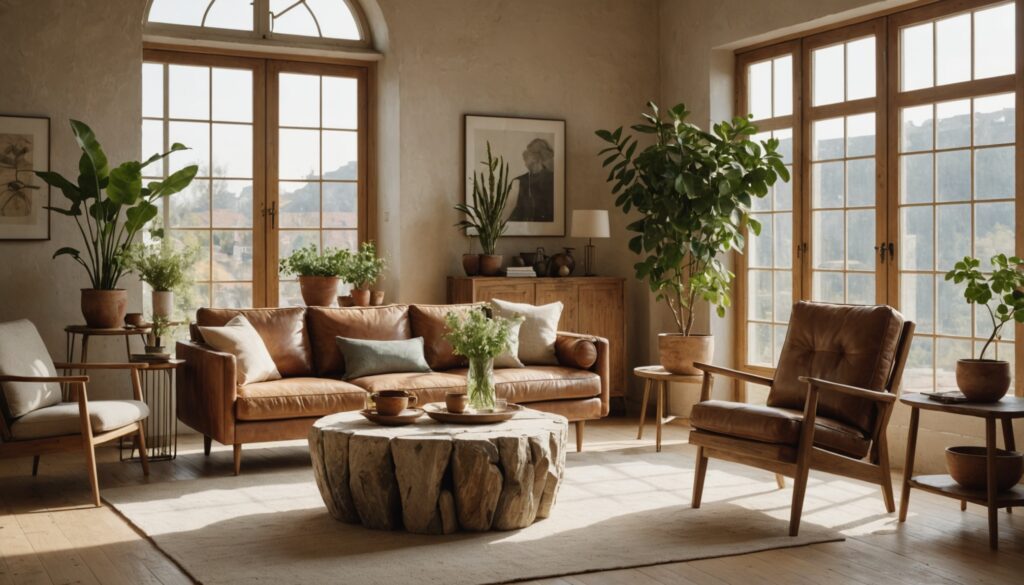
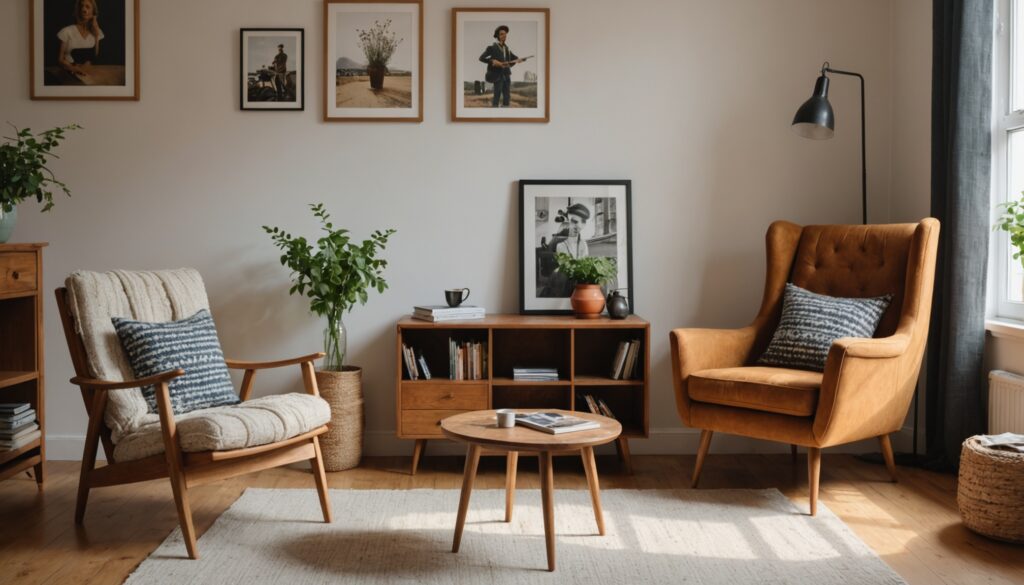
The second signature of this fall season: the unabashed return of organic shapes. Coffee tables with circular tops, rounded sofas, enveloping armchairs, and round mirrors are replacing the straight lines that have dominated for several seasons. Corduroy velvet is taking over seating, rattan and cane work are dressing up vanities and shelving, and warm woodwork clearly evokes 1960s aesthetics.
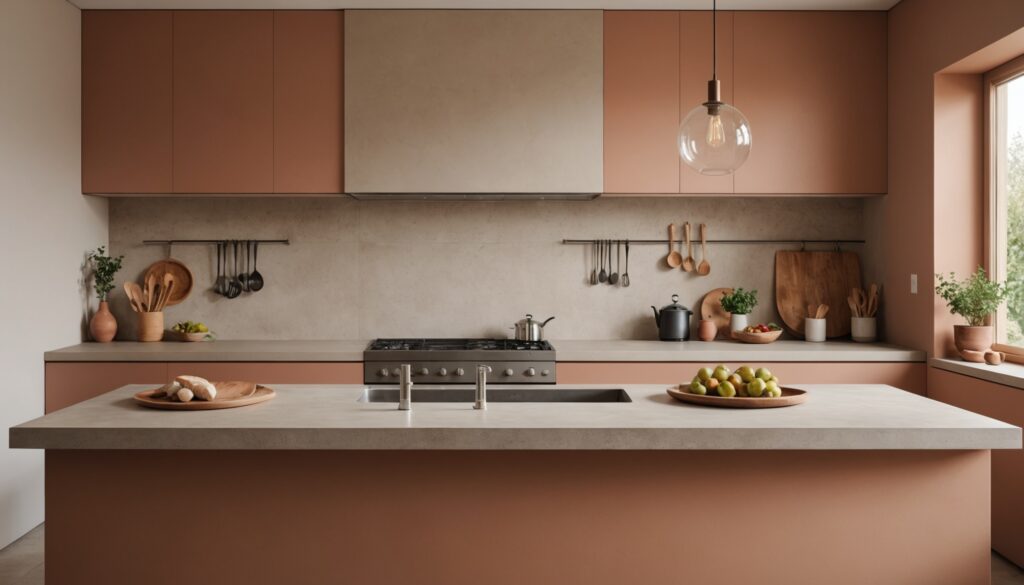
Other telltale signs: terrazzo — flooring made of fragments of marble, terra cotta, and glass — is taking over floors and bathrooms, while kitchens are favoring light oak paired with white for a look that's both warm and current. Even everyday objects are following the movement: colored porcelain dishware, handcrafted artisan glass, and mushroom-shaped lamps revisited in a chrome finish.
Embracing the Trend Without Changing Everything
There's no need to redo an entire interior to follow the movement. A few targeted changes are enough to transform a room:
- Swap out cushions and throws for brown, plum, or mustard tones to warm up an existing living room.
- Add a round mirror or a vintage lamp rather than replacing all the furniture.
- Bet on a rattan or corduroy velvet piece as a visual focal point.
- Hunt for a secondhand piece (mirror, light fixture, dishware) to bring in a retro spirit without a big budget.
- Layer materials — a wool throw on a velvet sofa, a patterned rug on a light floor — rather than matching everything.
This small-touches approach makes it possible to adopt the codes of trendy decor without waiting for a move or major renovations. Enough to transform a living room for the fall, by relying on smart purchases rather than a complete overhaul of the decor budget.
Frequently Asked Questions
Why is brown replacing beige in decor?
Because it's seen as warmer and bolder: it adds depth to a room without falling into the coldness often criticized in overly light neutral tones.
Do you need to change everything to follow the 1960s retro trend?
No. A few elements are enough: a rounded armchair, a round mirror, a vintage lamp, or a corduroy velvet cushion can set the mood without a full renovation.
What is terrazzo, the material making a comeback in interiors?
It's a flooring material made of fragments of marble, terra cotta, and glass embedded in a binder, historically used in Italy and now back in style for floors and bathrooms.
Sources
Nordic Nest — 2026 Home Trends
Maison à Part — 11 Decor Trends Making a Comeback in 2026
Free Decor Diagnosis: Maisons du Monde and Rhinov Judge Your Living Room in One Click
A selfie of your living room, and the algorithm tells you everything that's wrong : that's the — slightly bold — promise of the new free decor diagnosis launched by Maisons du Monde and its subsidiary Rhinov. No more wasting hours…
Furniture in France: Rentals and Secondhand Are Reshaping the Market
The furniture industry is going through its third consecutive year of decline in France, but behind this slowdown lies a deeper transformation: long-term rentals, trade-ins, and organized secondhand sales are gradually becoming part of consumer buying habits. According to data…
Home Decor: Why Natural Materials Are Here to Stay
The home decor sector is going through a transition phase. After the post-Covid surge that boosted sales of furniture and home goods, France's home decor market is slowing and stabilizing at around €13 billion, according to a study by the…
Furniture Environmental Label: How to Read It and Why It's Coming
An environmental score will soon accompany furniture sold in France. Sofas, armchairs, beds, tables, and chairs will be the first affected by this label, designed to help buyers compare a piece of furniture's ecological impact before checking out. Here's how…
Home Decor: What's Disappearing From Our Interiors This Season
Every fall decor season has its headline arrivals. It also has its departures—quieter, but just as telling. As the Maison&Objet trade show approaches, opening its doors on September 10 in Villepinte, near Paris, under the theme “Pulse in Motion,” the…
Microcement in the Kitchen: The Trend from Spain That's Pushing Out Tile
In French kitchens, a material from Spain is upending a habit that's decades old. Microcement is gaining ground over traditional tile, driven by a simple demand: putting an end to grout lines that turn black and complicate everyday upkeep. This…
Paris Design Week: Design Returns to Paris in September
Paris Design Week is back from September 10 to 19 in the French capital. For ten days, nearly 600 designers and creators will take over roughly 400 iconic venues across Paris, including four national monuments, for this new edition built…
Secondhand Furniture: Why the Circular Economy Is Taking Hold in French Design
The mismatched sofa or thrifted dresser is no longer a stopgap: it has become the heart of a new, structured industry. In France, secondhand and upcycled furniture is now establishing itself as a market segment in its own right, driven…
This article was written with the help of artificial intelligence. Editorial policy