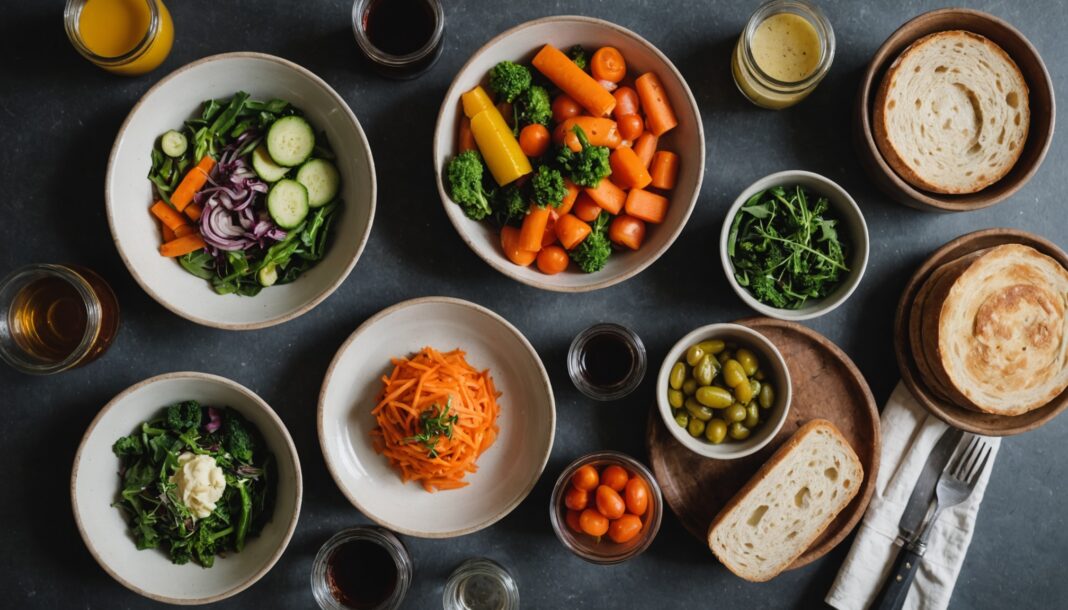

On restaurant menus as much as on grocery store shelves, the way a plate is put together is changing in profound ways. Fermentation, local sourcing, and the demand for transparency about where products come from are now establishing themselves as concrete criteria, far from being mere passing trends. Here's what these shifts really mean for consumers.
Fermentation Moves From Chefs' Kitchens Into Everyday Life
Long reserved for fine-dining tables, fermentation is gaining ground on restaurant menus as well as on store shelves. According to a Nielsen study cited by industry professionals, 38% of new menus at European restaurants now include a dish made with fermented ingredients, compared with just 12% five years ago. Lacto-fermented vegetables, homemade condiment pastes, naturally leavened sourdough bread: this age-old technique is winning people over for its flavor, its easier digestibility, and its ability to limit food waste by making use of whole ingredients, from peelings to leafy tops.
Bakers are following suit: sourdough, once confined to bread, is now showing up in brioche, tarts, and certain pastries, promising a more complex texture and better natural preservation.
Local Sourcing and Traceability, New Shopping Habits
A second major shift: the demand for traceability. Consumers want to know where the products they buy come from and what their environmental impact is. For professionals in food service and distribution, this transparency is becoming a selling point in its own right, rather than just a regulatory box to check.
This local mindset comes along with a comeback for heritage flours — spelt, rye, buckwheat — presented as easier to digest and less demanding in terms of agricultural inputs than standard soft wheat. The result: short supply chains that bring producers and consumers closer together, even in major metropolitan areas.
Vegetables Take Center Stage on the Plate
Another notable shift observed by several food service professionals: vegetables are no longer a simple side dish but now occupy the center of the plate, with animal protein taking a back seat. This “whole-vegetable cooking” approach involves transforming an entire vegetable — including its trimmings — into broths, condiments, or fermented bases, cutting down on food waste in the process.
- Shorter, more seasonal menus, to limit waste and costs
- Homemade sauces, pickles, and condiments becoming the centerpiece of the dish
- Growing demand for transparency about the origin and environmental footprint of products
- Increasing use of reusable containers, following a deposit-return model
These trends aren't limited to upscale dining: they're gradually making their way into quality fast food, where accessible formats now feature more elaborate ingredients and artisanal sauces, somewhere between street food and fine dining.
For consumers, these shifts translate into more choices when it comes to food and dining, but also into new habits while grocery shopping, between mindful consumption and attention paid to the effects on health in everyday life.
Frequently Asked Questions
Does fermentation offer real nutritional benefits?
Fermented foods are associated with better digestibility and with compounds that are beneficial for gut flora, which explains the growing interest food service professionals have in this age-old technique.
Why are heritage flours making a comeback?
Spelt, rye, and buckwheat are presented as easier to digest and generally less demanding in terms of agricultural inputs than standard soft wheat, which addresses both health concerns and the push for environmental sustainability.
Do these trends only apply to upscale restaurants?
No: they're also affecting quality fast food and food retail, with artisanal sauces and condiments now showing up in formats that are accessible for everyday use.
Sources
- Chefsquare — The Food Trends That Will Define 2026
- Ducreux CFI — 2026 Food Trends for Restaurateurs and Distributors
Nutri-Score: What's Really Changing in Your Shopping Cart with the New Algorithm
The colorful logo that already adorns many food packages is about to get a makeover. The new Nutri-Score algorithm, which took effect in France following a 2025 decree, is now being rolled out by manufacturers, with a rating change for…
This article was written with the help of artificial intelligence. Editorial policy