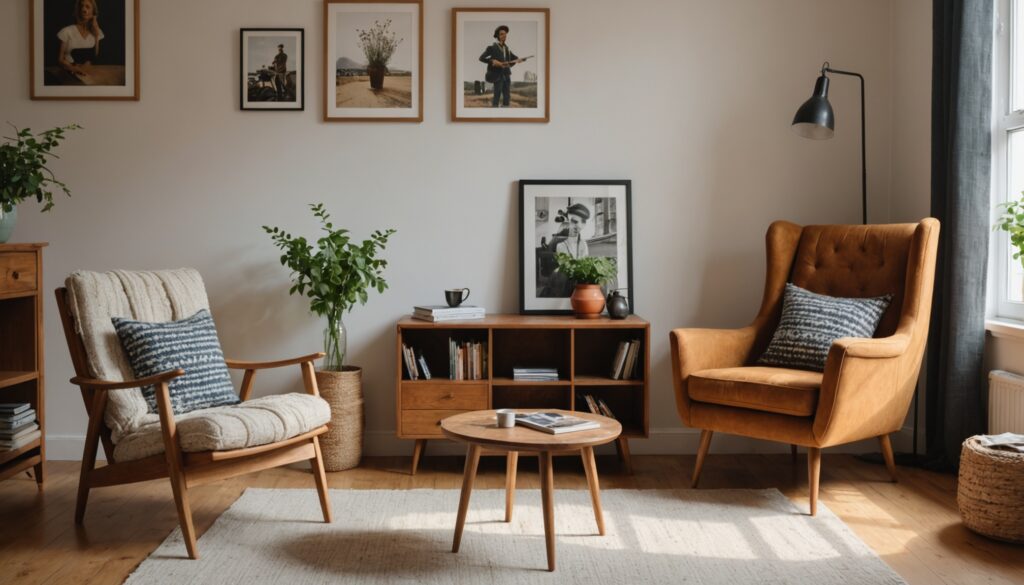
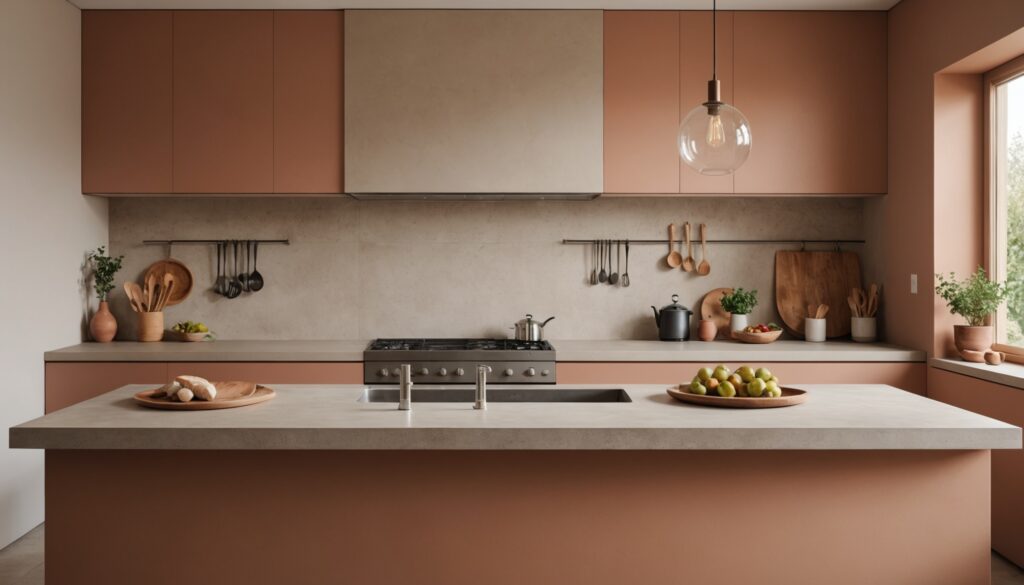
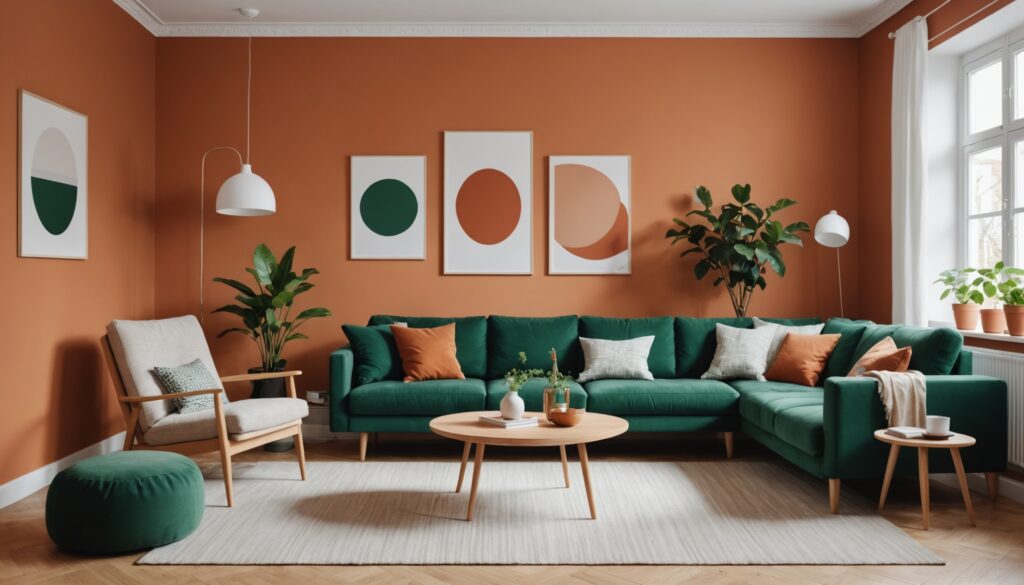
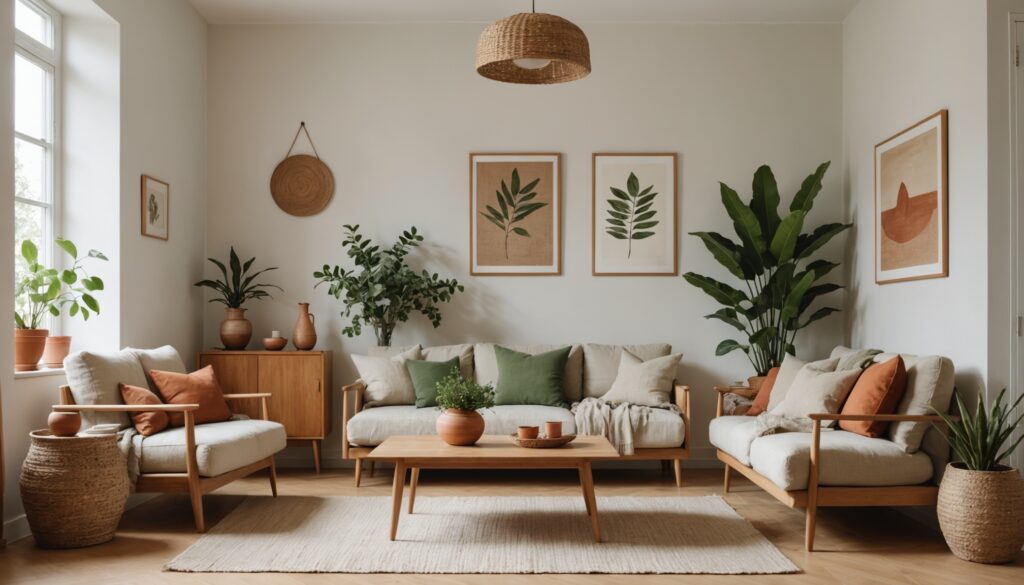
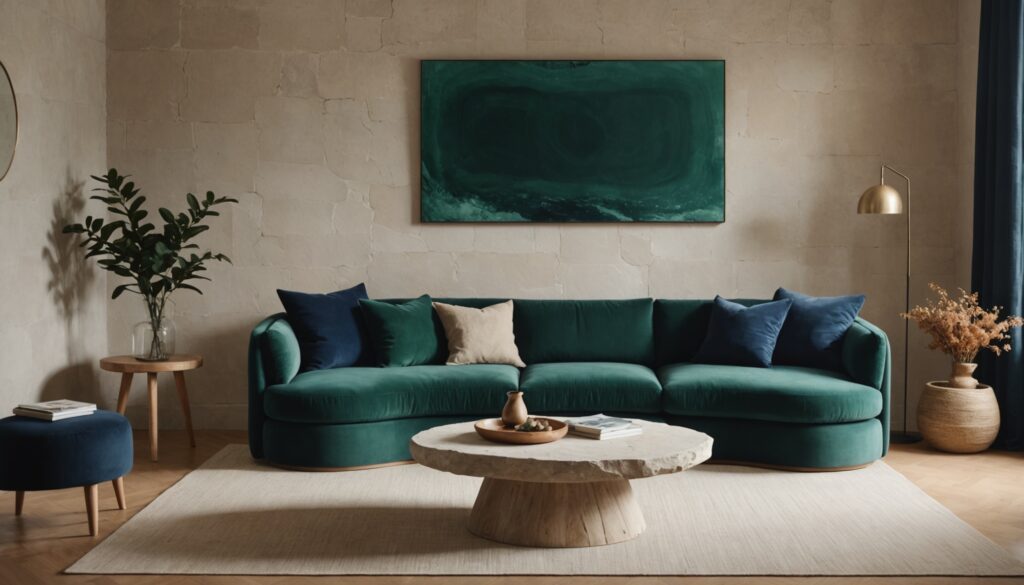

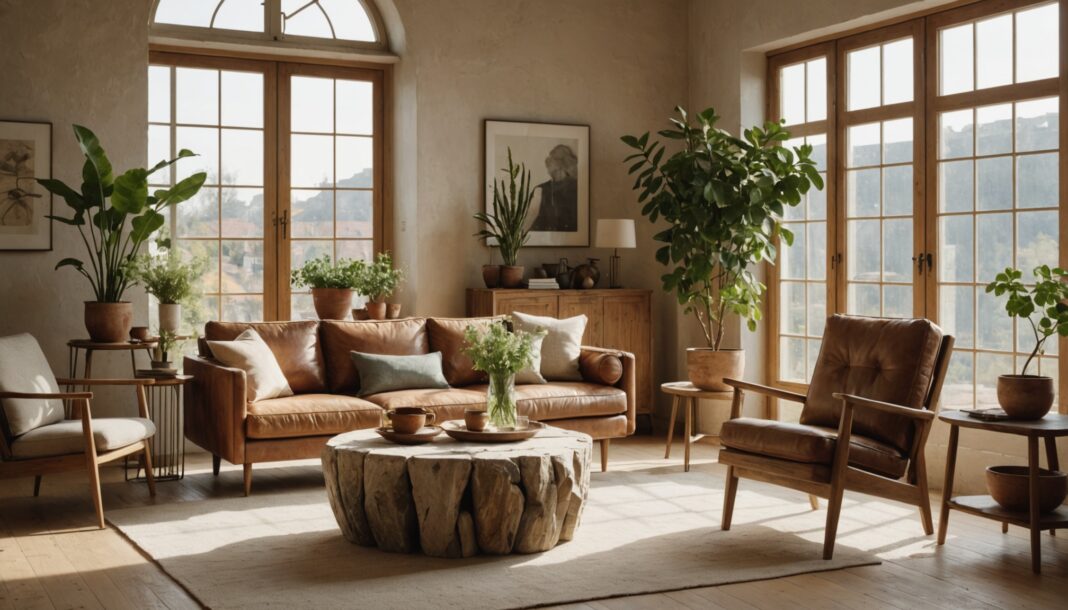

The home decor sector is going through a transition phase. After the post-Covid surge that boosted sales of furniture and home goods, France's home decor market is slowing and stabilizing at around €13 billion, according to a study by the Xerfi research firm. In this more measured context, a lasting underlying trend is taking hold among the French: the search for natural materials, vintage pieces, and a more understated interior, far from the impulse buying of the previous period.
A Market Changing Pace
After several years of exceptional growth linked to the time spent at home during the health crisis, Xerfi notes a return to a more typical pace for the home decor market, which today is worth about €13 billion in France. This slowdown doesn't mean households have lost interest in their homes, but rather reflects a shift in buying behavior: less impulsiveness, more selectivity, and greater attention paid to the quality and origin of materials.
Natural Materials as the Common Thread in New Collections
This shift is reflected directly in the new products offered by brands. Wallpaper maker Elitis, for example, unveiled a new collection with an artisanal feel in mid-August, favoring hand-drawn patterns and textured materials over standardized digital prints. This choice illustrates a broader trend observed by several specialized home decor outlets: raw wood, natural stone, and weathered metal finishes are gradually replacing the composite materials and overly smooth finishes that have dominated interiors in recent years.
This quest for authenticity also responds to a desire for durability: consumers are favoring pieces designed to last, even if it means investing more in a smaller number of items.
Secondhand and Vintage: The New Reflexes
Another sign of this shift in mindset: the growing enthusiasm for older objects. The specialized home decor press recently reported on a vintage Danish magazine rack, once considered unremarkable, now sought after at flea markets for more than €400. This kind of anecdote reflects a broader phenomenon: furniture and objects from decades-old Scandinavian design, known for their build quality, are gaining renewed value among buyers looking for unique pieces rather than mass-produced furniture.
- Favor raw materials: solid wood, stone, weathered metal
- Opt for a few vintage pieces rather than disposable furniture
- Choose colors and textures that age well over time
- Hire a local craftsperson for custom furniture renovation or creation
How to Embrace This Trend at Home
You don't need to change everything to get on board with this trend. Replacing a laminate countertop with solid wood, hunting for a secondhand armchair instead of buying a new one, or choosing wallpaper with hand-drawn patterns are all simple steps. Retail and shopping chains are also increasingly offering natural-material products and repairable furniture, proof that demand is now shaping supply. For more ambitious projects, professional guidance is still recommended, particularly for work involving the home and garden.
Frequently Asked Questions
Why is the home decor market slowing down in France?
After a period of strong growth linked to the health crisis, consumer spending is returning to a more typical pace. Households are buying less impulsively and favoring more durable pieces, which explains this slowdown in sales volume without reflecting a loss of interest in home decor.
Which materials should be favored for a sustainable interior?
Solid wood, natural stone, and brushed or weathered metal finishes are favored because they age well and are easier to repair than composite materials, which limits how often furniture needs to be replaced.
Is vintage a good budget compromise?
Not always: some sought-after vintage pieces, particularly from Scandinavian design, fetch high prices at flea markets. Still, there's real value in the build quality and unique character of these objects.
Sources
Républik Retail, Xerfi, Made in Design.
Furniture in France: Rentals and Secondhand Are Reshaping the Market
The furniture industry is going through its third consecutive year of decline in France, but behind this slowdown lies a deeper transformation: long-term rentals, trade-ins, and organized secondhand sales are gradually becoming part of consumer buying habits. According to data…
Furniture Environmental Label: How to Read It and Why It's Coming
An environmental score will soon accompany furniture sold in France. Sofas, armchairs, beds, tables, and chairs will be the first affected by this label, designed to help buyers compare a piece of furniture's ecological impact before checking out. Here's how…
France Design Week: Design Takes Over the Regions to Tackle Major Challenges
From September 18 to 30, France Design Week brings design to the heart of France's regions, well beyond the usual Paris trade shows. Led by the association APCI – Promotion du design, this seventh edition brings together more than 600…
Paris Design Week: Design Returns to Paris in September
Paris Design Week is back from September 10 to 19 in the French capital. For ten days, nearly 600 designers and creators will take over roughly 400 iconic venues across Paris, including four national monuments, for this new edition built…
Dining Room: The New Trends Transforming This Everyday Space
Gone is the big, fixed piece of furniture reserved for Sunday meals: the dining room is becoming a hybrid space in French homes, somewhere between a home office, a homework corner, and an entertaining area. This shift in how the…
Curtains and Fabric Partitions: The New Way to Divide a Room Without a Door
This fall, interior designers are drawing a line through classic doors and heavy double curtains. Enter sheer curtains and fabric partitions, a trend that is reshaping the way we divide a room without weighing it down. Goodbye Doors, Hello Sliding…
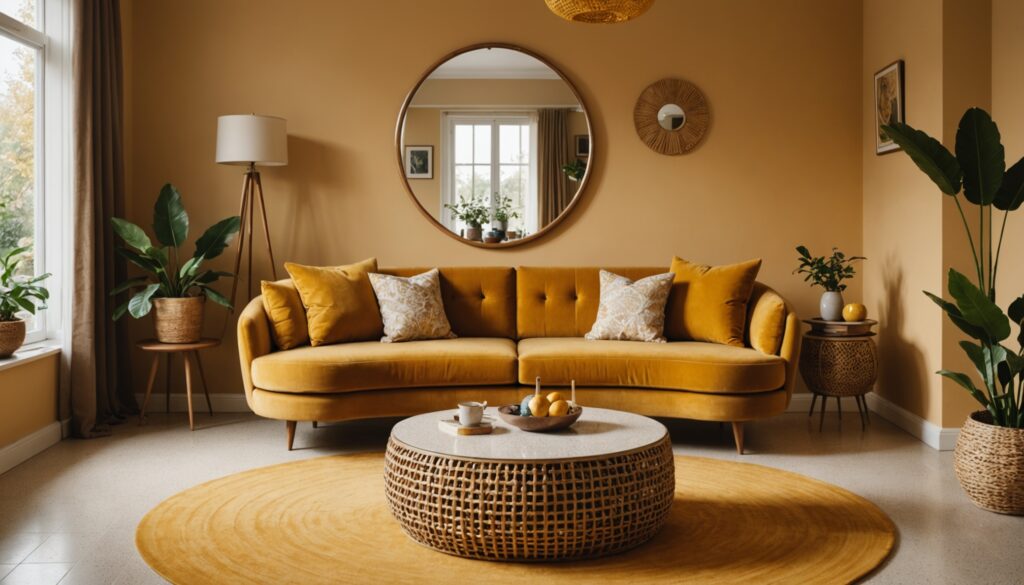
Decor: Why Brown and Round Shapes Are Taking Over Living Rooms
Gone are all-white Scandinavian styling and interiors frozen in restraint. This fall 2026, decor is changing its tone: warm colors, rounded shapes, and an openly embraced vintage spirit are literally warming up living rooms. Here's a look at a trend…
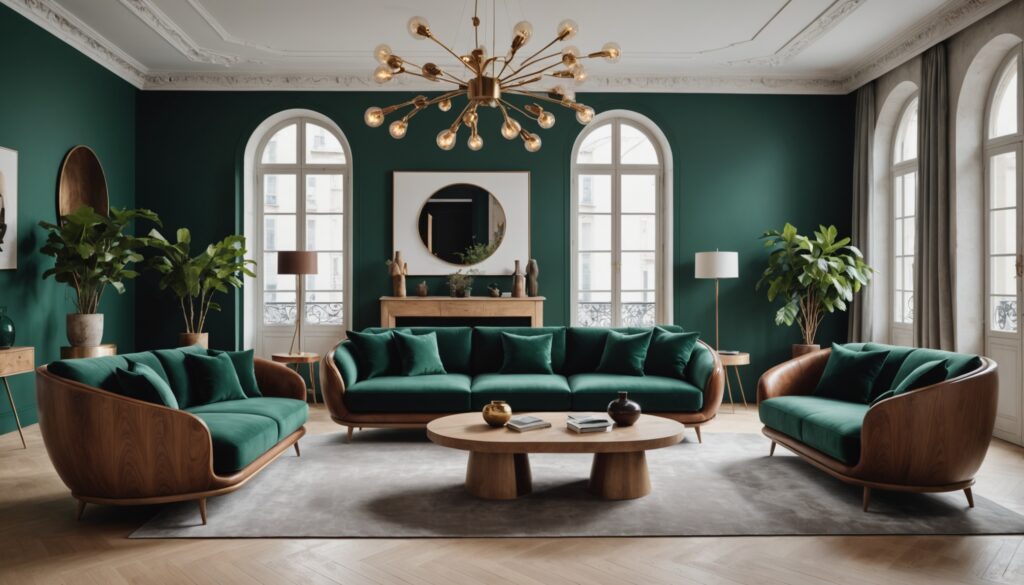
Decor: Why France's Furniture Market Is Shrinking Despite Maison&Objet's Big Show
While Maison&Objet and the Paris Design Week are in full swing in Paris, with halls packed with new releases and a resolutely optimistic back-to-school theme, the numbers from the French furniture market tell a more mixed story. Between a showcase…
This article was written with the help of artificial intelligence. Editorial policy