

From September 18 to 30, France Design Week brings design to the heart of France's regions, well beyond the usual Paris trade shows. Led by the association APCI – Promotion du design, this seventh edition brings together more than 600 events across the country, from Paris to Saint-Étienne, as well as Rennes, Lille, Tours, and Nancy. The stated goal: to show that design isn't reserved for professionals, but is directly relevant to everyday life in France.
A Seventh Edition Firmly Focused on the Regions
Unlike the Paris Design Week, which is concentrated in the capital in early September, France Design Week relies on nationwide coverage. At least seven regions host flagship moments: Paris for the opening on September 18, tied to a trail around Notre-Dame Cathedral, followed by Saint-Étienne, Saint-Martin-d'Hères near Grenoble, Tours, Rennes, Lille, and Nancy. This decentralization reflects a clear intent to bring design closer to the general public, beyond the circles of insiders used to major trade shows.
“D for Design, D for Challenge”: A Committed Theme
The throughline of this 2026 edition is explicit: “D for Design, D for Challenge.” The idea is to show how design can address today's environmental, social, and economic challenges, rather than being limited to an aesthetic dimension. Designer Ioanna Vautrin serves as the godmother of this edition. A national study day will notably be devoted to materials, a central topic for a profession increasingly focused on eco-design and reuse.
A Rich Program of Exhibitions and Talks
The program blends professional and public-facing formats, including:
- Exhibitions devoted to design and ecological transitions
- Panel discussions and talks with designers, companies, and local governments
- Hands-on workshops open to all audiences
- Themed urban trails in several cities
- The France Design Impact Award ceremony, recognizing projects with strong societal impact
This hybrid format illustrates a broader trend in contemporary art and culture: bringing creation closer to civic engagement, rather than reserving design for an elite.
Saint-Étienne, Host City for the Closing
The event will wrap up on September 30 in Saint-Étienne, a city recognized for design for several years now. The closing ceremony will take place at the new Galerie nationale du design, which opened in June 2026 and has since become a national landmark for the field. This choice confirms the growing role of regional metropolises in a sector long seen as Paris-centric, echoing the craftsmanship of the local artisans and creators who bring these regions to life.
What It Means for the General Public
Beyond professionals, France Design Week explicitly targets residents of the participating cities. Most exhibitions and urban trails are free, making design accessible without any financial barrier. For the curious as well as future furniture or home decor buyers, the event offers a concrete opportunity to meet creators, understand the materials used, and spot the trends that will later reach stores.
Frequently Asked Questions
When does France Design Week 2026 take place?
It runs from September 18 to 30, 2026, opening in Paris and closing in Saint-Étienne.
What's the difference with Paris Design Week?
Paris Design Week is concentrated in the capital in early September, while France Design Week spreads more than 600 events across several regional cities throughout the month.
Are the events open to everyone?
Yes, most exhibitions, urban trails, and workshops are open free of charge to the general public, in addition to events reserved for professionals.
Sources
- Archicree – France Design Week 2026: design at the heart of the regions
- Minformer – France Design Week 2026 will wrap up in Saint-Étienne
- France Design Week – official site
Paris Design Week: Design Returns to Paris in September
Paris Design Week is back from September 10 to 19 in the French capital. For ten days, nearly 600 designers and creators will take over roughly 400 iconic venues across Paris, including four national monuments, for this new edition built…
Home Decor: Why Raw Wood and Warm Tones Are Dethroning White
Kitchens and living rooms are changing their palette. In the decor trends taking shape for the new season, raw wood and warm tones are regaining ground on pure white, long the go-to choice in French interiors. Paint manufacturers, trade shows,…
Microcement in the Kitchen: The Trend from Spain That's Pushing Out Tile
In French kitchens, a material from Spain is upending a habit that's decades old. Microcement is gaining ground over traditional tile, driven by a simple demand: putting an end to grout lines that turn black and complicate everyday upkeep. This…
Free Decor Diagnosis: Maisons du Monde and Rhinov Judge Your Living Room in One Click
A selfie of your living room, and the algorithm tells you everything that's wrong : that's the — slightly bold — promise of the new free decor diagnosis launched by Maisons du Monde and its subsidiary Rhinov. No more wasting hours…
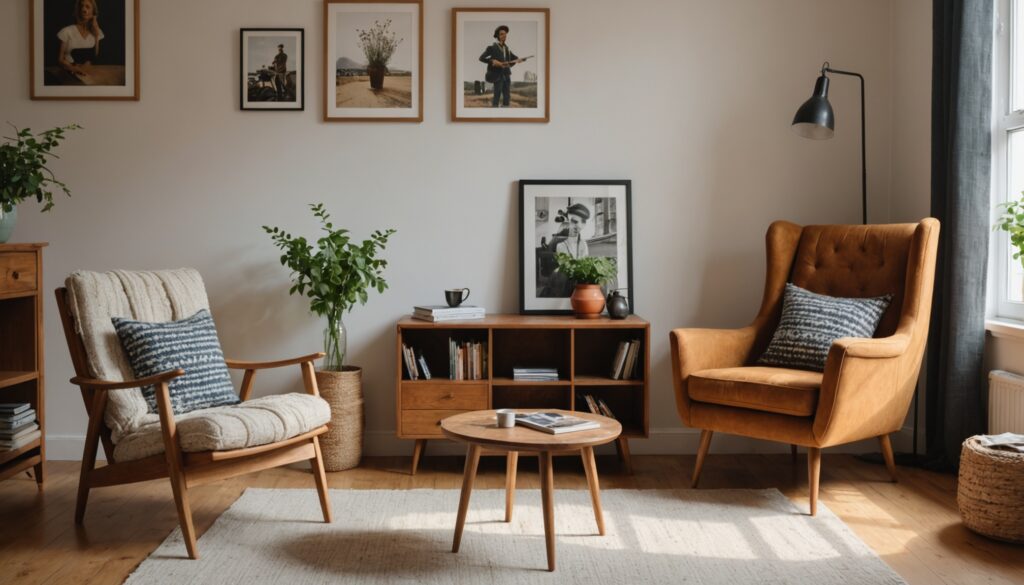
Secondhand Furniture: Why the Circular Economy Is Taking Hold in French Design
The mismatched sofa or thrifted dresser is no longer a stopgap: it has become the heart of a new, structured industry. In France, secondhand and upcycled furniture is now establishing itself as a market segment in its own right, driven…
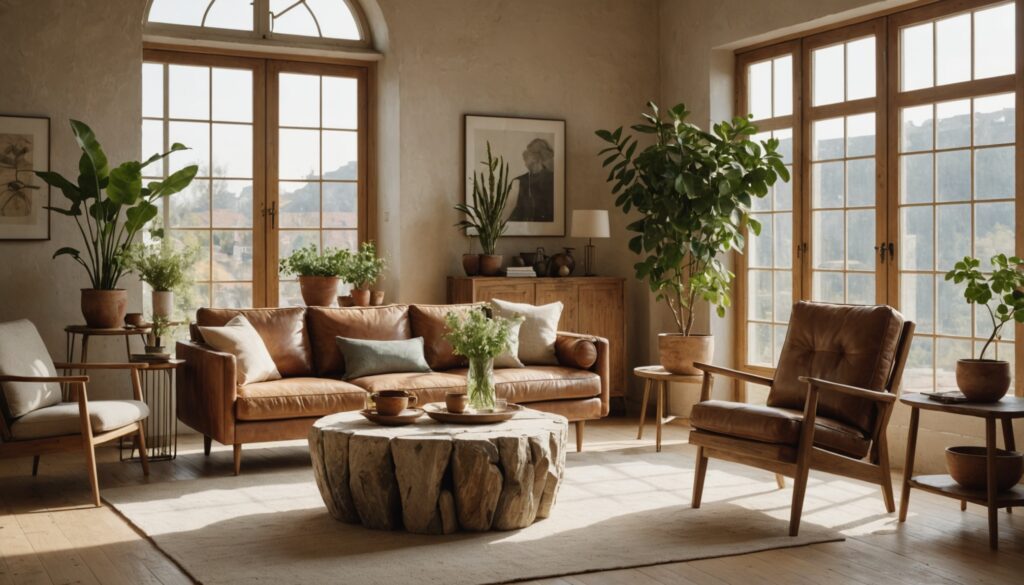
Home Decor: Why Natural Materials Are Here to Stay
The home decor sector is going through a transition phase. After the post-Covid surge that boosted sales of furniture and home goods, France's home decor market is slowing and stabilizing at around €13 billion, according to a study by the…
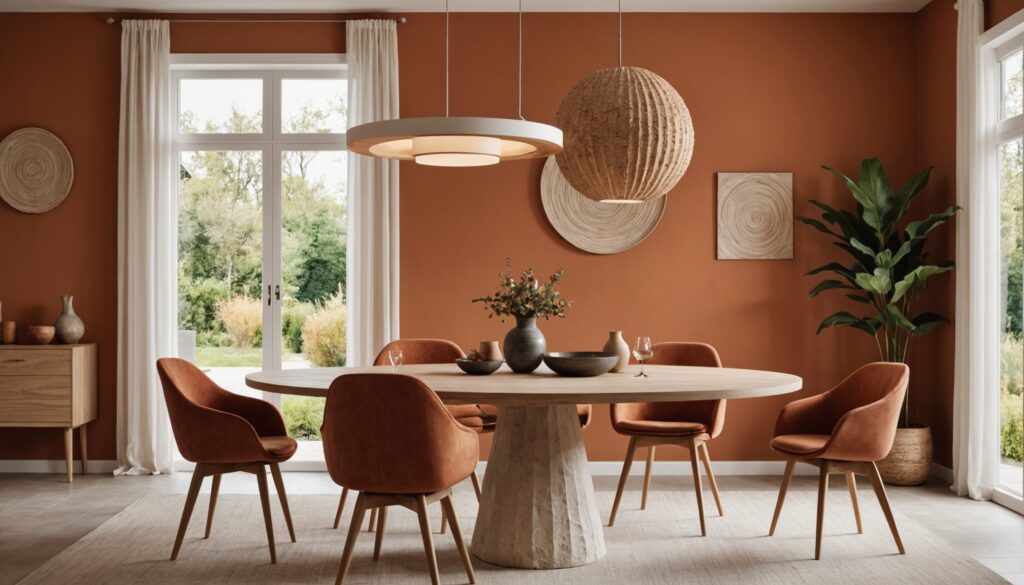
Dining Room: The New Trends Transforming This Everyday Space
Gone is the big, fixed piece of furniture reserved for Sunday meals: the dining room is becoming a hybrid space in French homes, somewhere between a home office, a homework corner, and an entertaining area. This shift in how the…
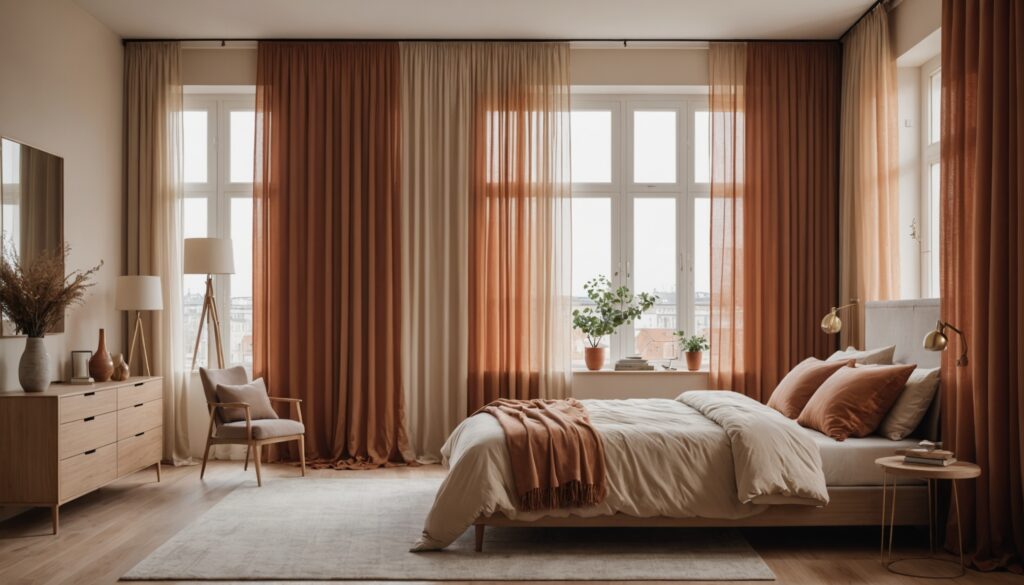
Curtains and Fabric Partitions: The New Way to Divide a Room Without a Door
This fall, interior designers are drawing a line through classic doors and heavy double curtains. Enter sheer curtains and fabric partitions, a trend that is reshaping the way we divide a room without weighing it down. Goodbye Doors, Hello Sliding…
This article was written with the help of artificial intelligence. Editorial policy