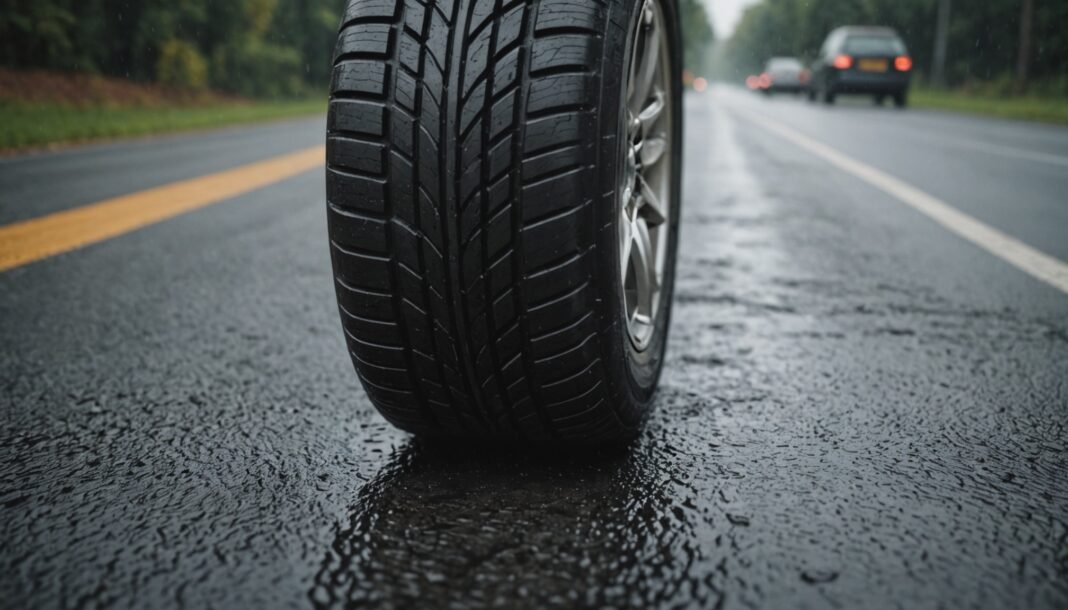

The tire remains the only part of a vehicle in constant contact with the road, yet it's often the last thing checked before a trip. Pressure, wear, rubber compound: every detail affects road handling, fuel consumption, and the safety of everyone on board. This guide covers the criteria for choosing a tire, the checks you should never skip, and the most common mistakes drivers make.
Criteria to Consider Before Buying
The market offers hundreds of references, but a few criteria are enough to guide an informed choice: the load index and maximum speed rating shown on the sidewall must match the manufacturer's recommendations, the tread pattern should match the vehicle's main use (city driving, highway, off-road), and the budget should factor in expected lifespan rather than just the purchase price. To compare the references available by size and vehicle, an online catalog where you can buy tires online can serve as a useful benchmark before placing an order with a professional.
Pressure and Wear: The Checks That Really Matter
A tire naturally loses air over the weeks: checking pressure every four to six weeks, when the tire is cold, remains the simplest way to preserve road handling and limit excess fuel consumption, since a difference of just one bar can increase consumption by about 6%. As for wear, French regulations set the minimum tread depth at 1.6 mm across the entire tread; below that threshold, the tire becomes illegal and dangerous, especially on wet roads. Professionals, however, recommend planning for replacement starting at 3 mm, before the wear indicators become flush with the tread. A regular vehicle checkup, like the one described in our guide on car maintenance, is the ideal time to have all four tires inspected.
Winter Tires: A Requirement in Certain Areas
Since the French Mountain Act (loi Montagne) took effect, drivers traveling through one of the 34 French departments covered by the law, spread across the Alpine, Pyrenean, Jura, Vosges, and Massif Central mountain ranges, must equip their vehicle with winter or all-season tires between November 1 and March 31, or carry snow chains in the trunk. Since November 1, 2024, only tires bearing the 3PMSF marking (Three Peak Mountain Snow Flake) are recognized in these areas; the simple M+S marking is no longer sufficient. Anyone planning a long trip to a mountain vacation destination should therefore check for this marking before setting off.
The Most Common Mistakes
- Fitting tires of different sizes or load indexes on the same axle, which throws off road handling.
- Neglecting the spare tire's pressure, which is rarely checked even though it can be decisive in the event of a flat.
- Waiting for wear indicators to become visible before changing tires, instead of planning ahead once tread depth reaches 3 mm.
- Overlooking the condition of the tires when buying a used car, even though replacing them represents a cost to plan for — a point worth considering, for example, when taking advantage of used car purchase assistance.
Frequently Asked Questions
At what level of wear should you change your tires?
The legal threshold is set at 1.6 mm of tread depth, but professionals recommend planning for replacement starting at 3 mm, before safety is compromised on wet roads.
Do you really need to check tire pressure every month?
Yes: a tire naturally loses air over time, and a pressure difference of just 1 bar can increase fuel consumption by about 6%, in addition to degrading road handling.
Are winter tires mandatory everywhere in France?
No, the Mountain Act only applies in 34 departments located in the Alpine, Pyrenean, Jura, Vosges, and Massif Central mountain ranges, between November 1 and March 31.
Sources
- Sécurité Routière (French road safety agency) — press kit on tire pressure
- Légifrance (French official legal database) — decree on tires
- 40 Millions d'automobilistes (French drivers' association) — the Mountain Act explained

NéoProfs and Flashcardlet: The Essential Digital Tools for Teachers
In short 🔎 85% of teachers believe that digital technology makes classroom engagement easier — a strong signal for rethinking practices in favor of innovative education and digital teaching centered on the student. 🎯 NéoProfs plays a key role as…

N9ws.com: The Essential Portal for Following Digital and Tech Trends
N9ws.com stands out as a demanding observatory of the digital world and technology, intended for readers who steer clear of shallow articles. 🔍 The editorial line favors contextualized analysis of trends, with a perspective that connects usage to values and…

Logging In to EcoleDirecte Without Bugs: The Complete Guide for Students and Parents
In short: 😊 Logging in to EcoleDirecte without bugs is possible by following a few simple steps and best practices. ⚠️ Well-kept login credentials, an up-to-date browser, and secure access protect the account. 🔧 If login problems occur, the first…
This article was written with the help of artificial intelligence. Editorial policy