
After several months of budget uncertainty, the MaPrimeRénov' portal reopened on February 23, 2026 for all households and every type of renovation track. But the program making its comeback is no longer quite the one that thousands of homeowners have known in recent years: the way the aid is calculated has changed, and some long-popular renovation measures have simply been dropped from the “single-measure” track.
A Fixed Lump Sum Replaced by a Percentage of the Work
Until now, a household undertaking a single renovation measure could count on a fixed lump sum, capped at around €3,750 regardless of the actual cost of the project. In 2026, the logic is reversed: the aid now corresponds to a percentage of the total cost of the work, adjusted according to household income. For the most expensive projects, this new calculation method can turn out to be more advantageous; for smaller jobs, the effect can sometimes be the opposite. The program remains open to both homeowners and co-owners, whether they occupy the home themselves or rent it out — a point worth watching for professionals in real estate and construction.
Wall Insulation and Biomass Boilers Dropped from the Single-Measure Track
The change most discussed among contractors concerns two types of work: since January 1, 2026, wall insulation (whether from the inside or the outside) and biomass boilers are no longer eligible for funding under the single-measure track. According to the CAPEB (the French professional federation for the building trade), more than one in ten applications filed in 2025 concerned precisely wall insulation, a measure valued for its quick impact on comfort and on a home's energy rating.
- Wall insulation: excluded from the single-measure track, but remains eligible as part of a comprehensive renovation project combining several types of work
- Biomass boilers: same rule — funding is only possible when bundled into a package of work
- Stated goal: refocus aid on lower-income households and the most energy-intensive homes
A Push Toward Electrifying Heating
By excluding biomass boilers from single-measure funding, the government is implicitly steering households toward other heating solutions, particularly heat pumps. This direction fits into a broader trend in French energy policy, which is banking on electrification to cut emissions from the residential sector — an issue being closely watched in the world of ecology and climate.
What This Means for Household Budgets
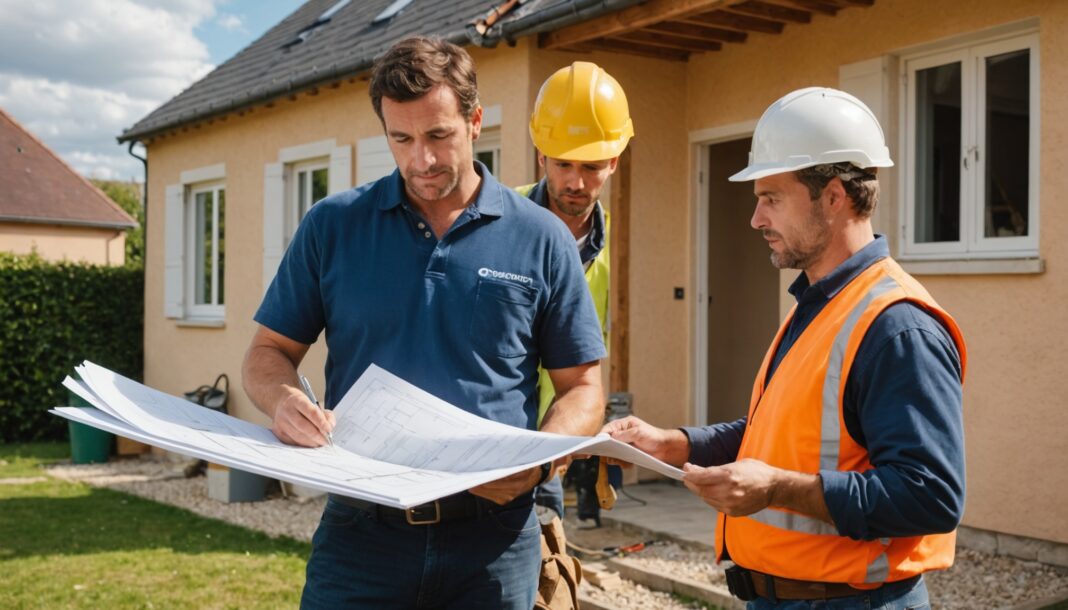
In practical terms, a homeowner considering a single project (replacing windows, ventilation, roof insulation) now needs to check two things before getting started: the amount of aid under the new percentage-based scale, and the actual eligibility of the planned work. For wall insulation or a biomass boiler, only a comprehensive renovation project, combining several types of work, still qualifies for funding. This is a point to factor in as early as the quote stage, alongside the other aid programs and loans available for housing, on the finance and investment side.
Frequently Asked Questions
Since when has MaPrimeRénov' been available again in 2026?
The portal reopened on February 23, 2026 for all households, whether owner-occupiers or landlords, and for every renovation track.
Is wall insulation completely excluded from the aid program?
No. It has been excluded from the single-measure track since January 1, 2026, but remains eligible for funding if it's included as part of a comprehensive renovation project combining several types of work.
How is the MaPrimeRénov' aid calculated in 2026?
The aid is no longer a fixed lump sum but a percentage of the total cost of the work, adjusted according to household income and the nature of the project undertaken.
Sources
- economie.gouv.fr — MaPrimeRénov' single-measure track
- CAPEB — exclusion of biomass boilers and wall insulation
- Qualit'EnR — new 2026 MaPrimeRénov' scales
Mortgage Rates: Summer's Stability at Risk This Fall
After several months of relative stability, mortgage lending in France is entering a zone of uncertainty. In the summer of 2026, average rates are holding steady around 3.30% according to the latest figures from brokers, but the lull may not…
New Housing: France Wants to Build Faster by Copying the Olympic Village Method
New home construction is struggling to pick back up in France: in the first half of 2026, just over 376,200 housing units were authorized and 239,400 were started, down 8% and 13.1% respectively from the average of the previous five…
This article was written with the help of artificial intelligence. Editorial policy