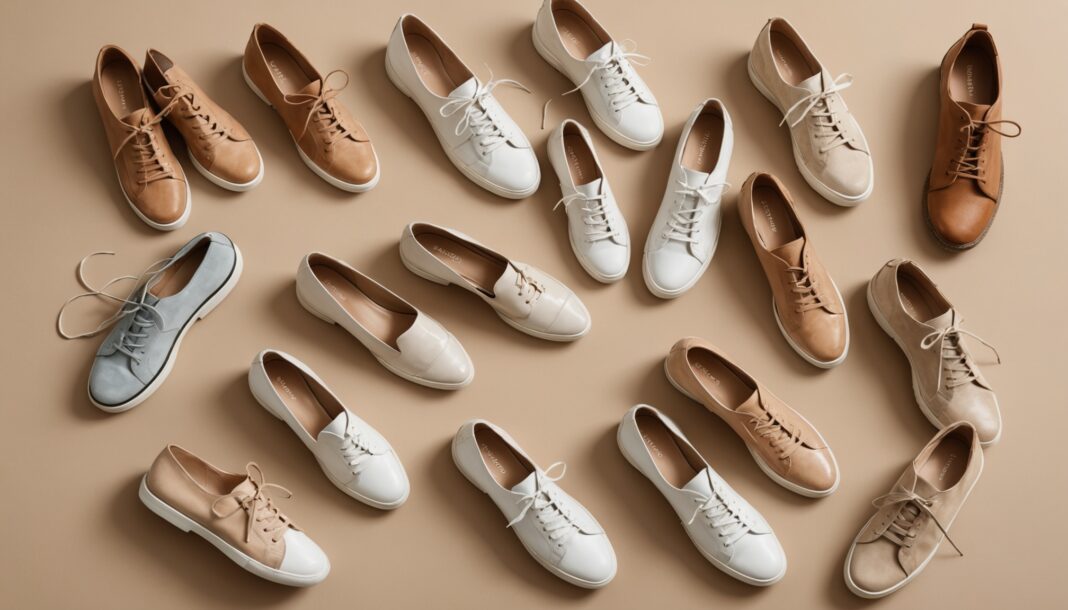

Choosing the right women's shoes isn't just about falling in love with something in a shop window. Size, width, material, and intended use all come into play to avoid unpleasant surprises once the pair has been worn for several hours. A poor choice often ends up costing you in blisters, back pain, or pairs relegated to the back of the closet after just two outings.
Size and Width: The Basics Before Anything Else
Size alone isn't enough: two women wearing the same size can have very differently shaped feet in terms of width. To really check whether a shoe fits, the simplest method is to remove the insole, place your bare or socked foot on it, and see whether your toes extend past the edge. You should also keep a small amount of free space at the front of the foot: a shoe that fits snugly around the heel and midfoot without squeezing the toes is generally the right compromise. Another useful habit: try shoes on at the end of the day, when your feet have swelled slightly, rather than right after waking up.
General retailers and specialty shoe stores alike now offer a very wide selection of women's shoes, in every size and width, which makes the search easier but can also make the decision harder given so many options.
Comfort and Foot Health: What Podiatrists Point Out
Shoes that are too narrow or poorly structured can, over the long term, encourage problems well known to podiatrists: bunions (hallux valgus), corns, metatarsalgia, or plantar fasciitis. A good comfort shoe distributes body weight more evenly, cushions each step, and stabilizes the heel thanks to a sufficiently firm heel counter. The simplest test is to be able to wiggle your toes slightly once the shoe is laced or fastened, without feeling squeezed.
Heels: Visual Appeal, Necessary Caution
A thin, high heel elongates the silhouette, but worn all day, a heel over 6 cm (about 2.4 inches) changes the foot's natural posture and can, over time, lead to back or joint pain. Podiatrists recommend favoring a wide or block heel over a stiletto for everyday wear, and saving higher heels for special occasions rather than extended wear.
Which Material to Choose Depending on Use
Leather remains a safe bet for everyday wear: it gradually molds to the foot and lets skin breathe. Synthetic materials, which are cheaper, work fine for occasional use but trap more moisture. For sports or extended walking, it's better to choose a shoe designed specifically for that purpose rather than repurposing a city shoe for a job it wasn't made for, even if that means sacrificing a bit of style along the way.
Drawing Inspiration From Trends Without Blowing Your Budget
Certain elements of military-style dressing, for example, have had a lasting influence on mainstream clothing and accessories, proof that a trendy look doesn't necessarily require an unlimited budget. In fact, the success of accessible luxury shows that it's entirely possible to follow current trends without breaking the bank, as long as you choose your pieces carefully and favor quality over a few pairs rather than sheer quantity.
Buying Online: The Right Habits
Ordering shoes online lets you compare more styles, but it calls for a few precautions: check each brand's own size chart rather than relying on your usual size, read reviews about fit (narrow, wide, runs large or small), and make sure free returns are available in case of a mistake. To keep the whole process secure, the basic tips for shopping online with peace of mind apply just as well to shoes as to any other online purchase.
The Most Common Mistakes to Avoid
- Buying a smaller size in hopes that the shoe will “stretch out” over time.
- Overlooking foot width in favor of length alone.
- Wearing stiletto heels all day on hard flooring, without alternating with flat shoes.
- Choosing cheap synthetic material for intensive everyday use.
- Never trying shoes on at the end of the day, when feet are most swollen.
Frequently Asked Questions
How can you tell if a shoe is the right size?
Your foot shouldn't extend past the insole once it's removed and placed on the ground, and there should be a little free space in front of your toes once the shoe is fastened.
Are high heels really bad for your health?
Worn occasionally, they don't pose any particular problem; it's extended, daily wear of a heel over 6 cm (about 2.4 inches) that can, over time, cause foot, knee, or back pain.
Should you favor leather for comfortable shoes?
Leather gradually molds to the foot and breathes better, making it a good choice for everyday wear; synthetic materials remain suitable for more occasional use.
Sources
- How to Choose Your Shoe Size: A Podiatrist's Advice
- Which Shoes Are Best for Healthy Feet?
- Comfort Shoes: What Do Podiatrists Say?

Consumer Credit: The Major Reform That's Redefining Your Loans
Starting November 20, 2026, the way consumer credit is taken out in France will change dramatically. A sweeping reform, stemming from the transposition of a European directive, imposes new obligations on lenders and significantly strengthens borrower protections, whether it's a…
This article was written with the help of artificial intelligence. Editorial policy