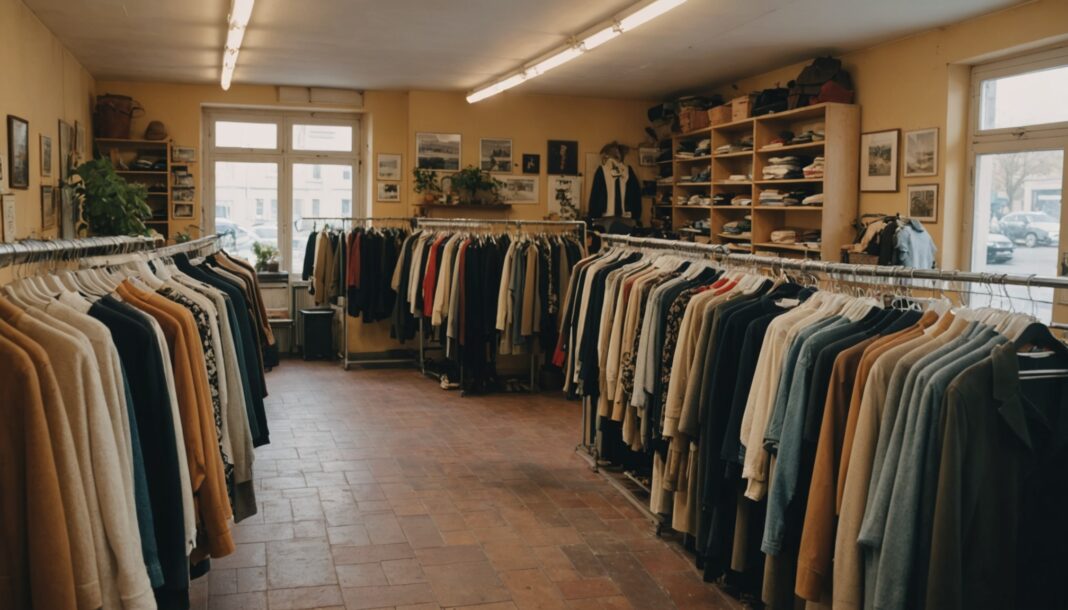

Secondhand shopping is no longer a niche practice reserved for bargain hunters: it has become a pillar of consumption in France. Clothing, accessories, furniture, and everyday items—more and more households are choosing secondhand over new, driven by both budgetary and environmental concerns.
A Market Now Worth Several Billion Euros
According to the most recent market research on secondhand retail sectors, France's secondhand market is now estimated at around €12 billion, up from €5.5 billion in 2020. This growth reflects an annual increase of roughly 20 to 25%, three to five times faster than conventional online retail, which grows by just 5 to 7% a year. Specialized platforms now account for nearly 17% of online fashion purchases, with tens of thousands of new listings posted every day on the largest of them.
Why This Style of Consumption Appeals So Strongly
- More control over spending, at a time when purchasing power remains a top concern for households.
- A wider selection, with easier access to rare, vintage, or designer pieces through mobile apps.
- A concrete way to reduce one's environmental footprint without sacrificing style.
- A form of repair or resale that extends the life of items rather than throwing them away.
This momentum goes hand in hand with a broader shift in habits: repairing, renting, trading, or buying secondhand are gradually becoming reflexes alongside buying new, rather than a systematic replacement for it.
A Concrete Environmental Benefit
According to ADEME (the French Agency for Ecological Transition), buying a secondhand garment instead of a new one cuts its carbon footprint by 50 to 90%. The explanation lies in manufacturing: a new garment generates about 7 kg of CO2 during production and transport, compared with roughly 0.5 kg for the transport alone of an existing piece simply changing hands. Across an entire wardrobe, this kind of choice can add up to a far from negligible environmental impact.
What This Means for Consumers
In practice, the line between buying new and buying secondhand is blurring: secondhand platforms now offer shopping experiences close to those of conventional e-commerce, complete with filters, recommendations, and fast delivery. For many households, the question is no longer choosing between style and savings, but combining both. Traditional retailers themselves are gradually adding sections or corners dedicated to secondhand goods, a sign that the trend now extends well beyond specialized platforms alone.
Frequently Asked Questions
Is secondhand really cheaper than buying new?
In the vast majority of cases, yes: prices on secondhand platforms are generally 30 to 70% lower than the equivalent new item, depending on condition and rarity.
What types of products are most affected by this trend?
Fashion and accessories lead the way, followed by furniture, home appliances, and children's items—categories where frequent turnover encourages resale.
Is this trend specific to France?
No, the movement is seen across Europe, but France ranks among the most dynamic markets thanks to platforms that were founded there and have been widely adopted by younger generations.
Sources
ADEME —
Xerfi, study on secondhand markets —
L'Essentiel de l'Éco
Back-to-School Budgets Under Pressure: The Money-Saving Tricks on the Rise
The 2026 back-to-school season is shaping up to be financially tight for many French families. Between climbing budgets, slightly pricier school supplies, and adaptation strategies becoming the norm, this time of year reveals a deep shift in consumer habits. Several…
This article was written with the help of artificial intelligence. Editorial policy