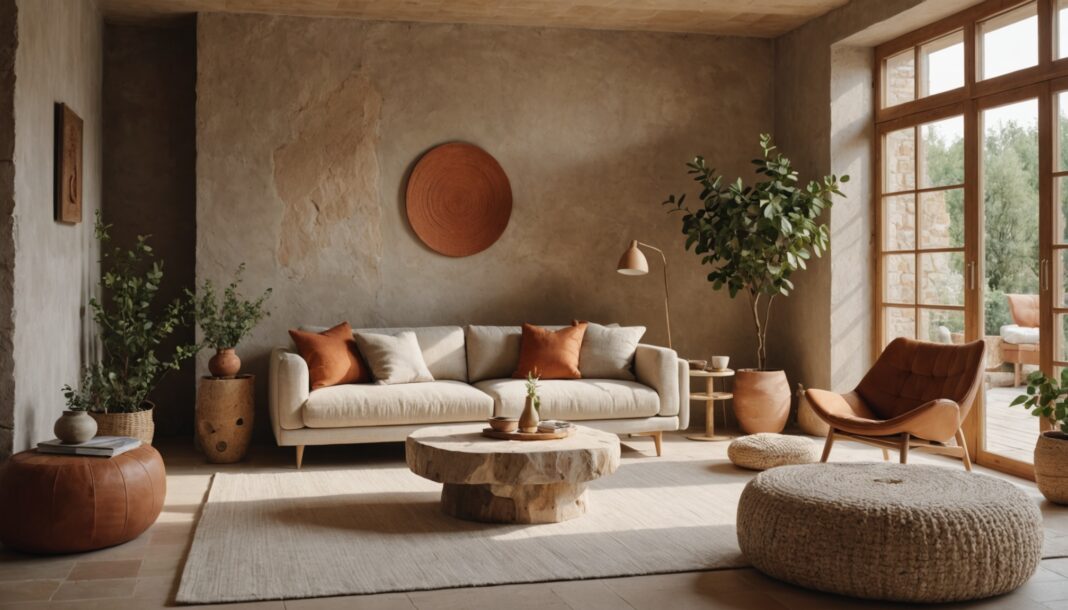

The start of the new season looks set to be a turning point for interior design: between the Maison&Objet trade show, which will open its doors from September 10 to 14 in Paris, and the continued rise of secondhand furniture, two seemingly opposite movements are in fact outlining the same underlying trend. The French want more sensory, more sustainable, and above all less standardized interiors.
Raw materials reclaim their place
This year's theme chosen by Maison&Objet, “Pulse in Motion,” sets the tone: a living, evolving design that responds to the world's uncertainties with more emotion and collective spirit. In practical terms, this translates into the strong return of raw materials — light wood, natural stone, terracotta, linen, and hemp — at the expense of the smooth, uniform finishes that have dominated interiors for several years.
Walls, too, are breaking free from neutrality. Graphic frames, artistic compositions, and abstract works are becoming genuine forms of expression in their own right, while lighting is being reinvented as a sculptural, architectural piece rather than a purely utilitarian function.
Secondhand, the quiet driving force behind these new desires
This strong appetite for texture and irregularity is directly benefiting the secondhand furniture market. Flea markets packed on weekends, resale platforms on a steady rise, antique markets sold out: the search for unique, already time-worn pieces perfectly matches this quest for authenticity. According to industry players, nearly one in two French households now favors, at least for part of their decor, environmentally friendly elements — bio-based materials, vintage furniture, or secondhand finds.
This movement is also supported by a regulatory framework still taking shape: the anti-waste law for a circular economy (AGEC), already applied to certain equipment since 2021, could see its repairability index extended to the furniture sector in upcoming implementing regulations. This would further accelerate the structuring of reuse networks, including among local authorities and government administrations in France.
What this means in practice for decorating your home
- Focus on one or two strong raw-material pieces (solid wood, stone, terracotta) rather than accumulating objects.
- Stop fearing irregularities: organic shapes, uneven finishes, and patina are becoming aesthetic assets.
- Shop secondhand before buying new: flea markets, specialized platforms, and reuse associations make it possible to find pieces with real character, often at a lower cost.
- Rethink lighting as a decorative object in its own right, not just a source of light.
This shift is part of a broader trend toward valuing craftsmanship and traditional skills, also seen in home and garden design, where sustainability is gradually becoming as important a purchasing criterion as price or style.
Frequently Asked Questions
Is the “raw” style compatible with a small budget?
Yes: secondhand and reuse make it possible to access high-quality materials (solid wood, stone, terracotta) at prices below new, by focusing on a few pieces rather than quantity.
Do you have to change everything to follow this trend?
No, professionals recommend gradually introducing one or two pieces made of raw materials or sourced secondhand, rather than overhauling the entire decor all at once, favoring a more sustainable approach over disposable decor.
Will this trend last?
The 2027–2028 trends already mentioned by industry professionals confirm a sustained shift toward natural materials and deep tones, suggesting this is a lasting direction rather than a passing fad.
Sources
- Maison&Objet Paris 2026: fall decor trends
- Key figures highlighting the importance of furniture reuse
- Furniture made from recycled materials: 2026 trends
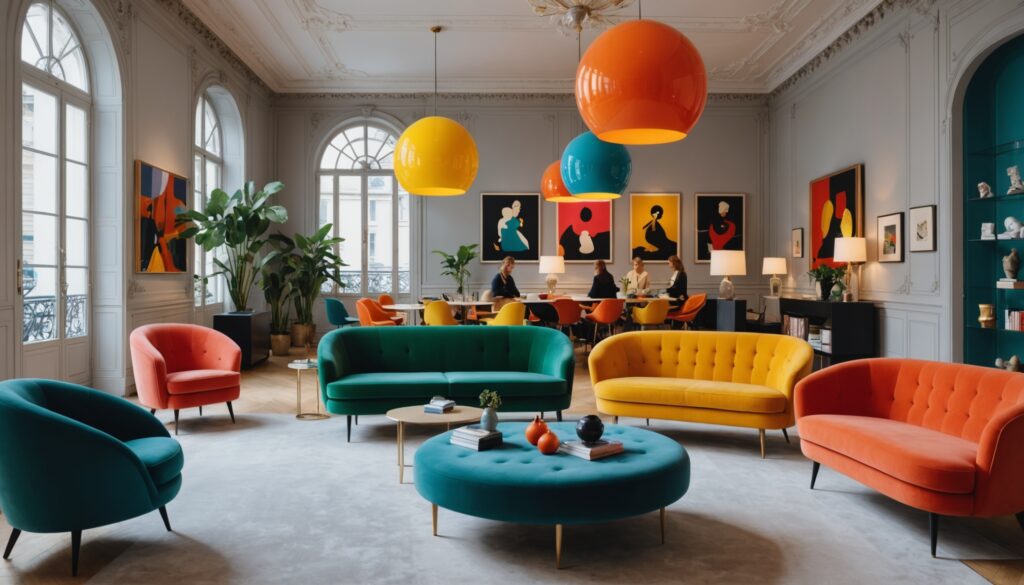
Paris Design Week and Maison&Objet: What to Know About This Fall's Edition
From September 10 to 19, Paris transforms into a showcase for contemporary design. Paris Design Week takes over nearly 400 venues across the French capital, running alongside the trade show Maison&Objet, which is held separately from September 10 to 14…

Carbon Road Bike: Selection Criteria and Mistakes to Avoid
Riding faster, farther, and with less fatigue: that's the promise delivered by the carbon road bike, which in just a few years has become the benchmark for cyclists who rack up ride after ride on the road. But choosing a…

Electric Cars Cross the 35% Market Share Mark in France
A symbolic milestone has just been reached in the French car market. In July, electric cars accounted for 35% of new passenger vehicle registrations in France, according to figures from the Plateforme automobile (PFA, the French automotive industry association). This…
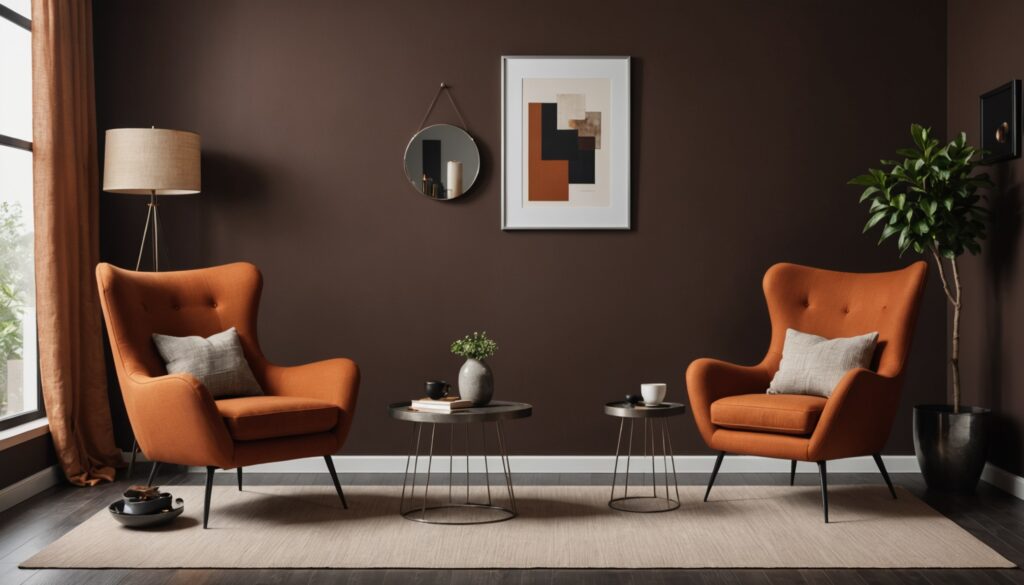
Decor: The Bold Colors Replacing Pastels in Our Homes
Long the undisputed rulers of interior design, pastel shades are gradually giving way to bolder colors. According to the latest observations from the home decor press, living rooms and bedrooms in 2026 are swapping powder pink and baby blue for…

RAID 5 data recovery: How to restore lost data from a failed RAID array
RAID 5 is one of the most widely used RAID configurations, offering a balance between performance, fault tolerance, and storage efficiency. It uses striping with distributed parity, meaning that data is spread across multiple disks, with one drive always storing…
This article was written with the help of artificial intelligence. Editorial policy