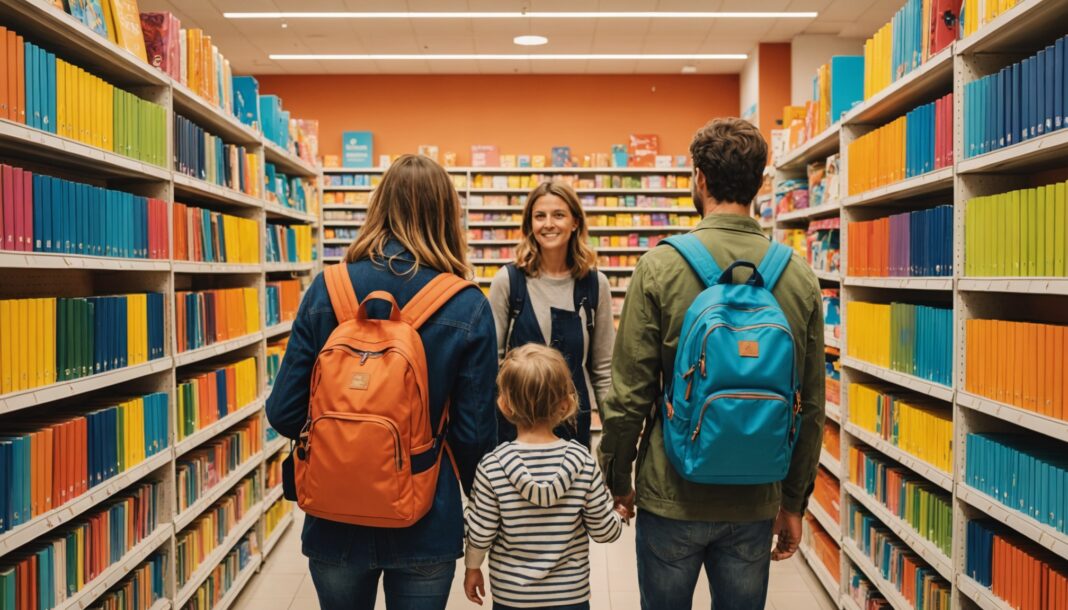

The 2026 back-to-school season is shaping up to be financially tight for many French families. Between climbing budgets, slightly pricier school supplies, and adaptation strategies becoming the norm, this time of year reveals a deep shift in consumer habits. Several recent studies converge on the same conclusion: households are adjusting their spending without giving up on the essentials.
An average budget on the rise
According to a study by the financial company Cofidis, French families plan to spend an average of 488 euros on back-to-school shopping this year, 79 euros more than in 2025 — a level the company describes as unprecedented. This amount covers clothing, school supplies, sports equipment, and extracurricular activities. The annual index from the association Familles de France, which has tracked the cost of a middle schooler's school supply basket for more than forty years, confirms this stabilization at a high level after several consecutive years of increases.
Prices keep climbing, but more moderately
The price of school supplies is rising by about 2% in 2026, an increase that adds to the one seen in 2025 and, above all, to the sharp jump of 2023 (+10%). A majority of parents notice this increase in their daily lives: many believe prices have kept climbing since last year, particularly for school supplies and food.
Mounting budget pressure
More than one parent in two fears not having enough money to cover these expenses, and a large majority say they have to “tighten their belts” to make the back-to-school budget work — an unprecedented level since several indexes on the topic were created. Clothing tops the list of expenses being cut, ahead of school supplies, sports gear, and extracurricular activities.
Families' new strategies
Faced with this pressure, households are developing budget-optimization habits that are becoming the norm rather than the exception:
- Focusing purchases on essential expenses
- Extending the life of supplies, clothing, and equipment they already own
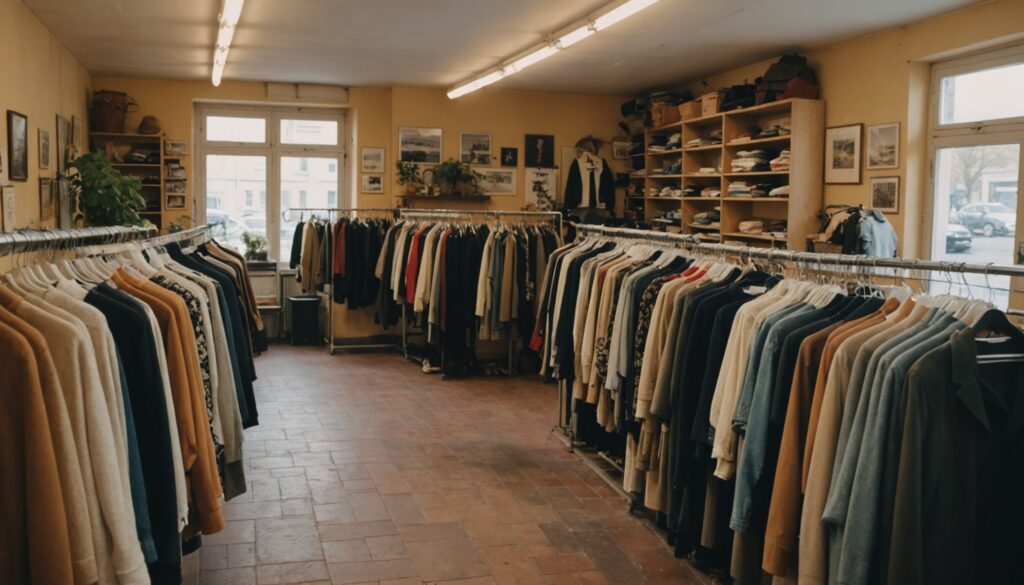
- Turning to secondhand goods, a practice growing noticeably year over year
- Comparing prices and planning purchases several weeks in advance
These adjustments are not just a one-time money-saving reflex: they reflect a broader shift toward mindful consumption, in which French families are learning to manage tight budgets without sacrificing the quality of their children's schooling.
Why this trend is likely to continue
Industry players — financial companies, consumer associations, donation and resale platforms — agree on one point: back-to-school shopping is no longer a single spike in spending but a buying cycle spread over several weeks, during which families are constantly weighing their options. This shift is pushing retailers to rethink their offers, with more staggered promotions and installment payment options.
Frequently Asked Questions
How much does back-to-school shopping cost on average in 2026?
According to the Cofidis study, the average budget families plan for reaches 488 euros, up 79 euros from 2025.
Have school supplies gone up a lot this year?
The increase is more moderate than in 2023, at around 2%, but it adds to several consecutive years of price increases.
What solutions do families favor to cut their spending?
They focus their purchases on essentials, reuse existing supplies, and increasingly turn to secondhand goods.
To learn more about consumer trends and better manage your household budget, check out our other dedicated articles.
Sources
Secondhand and Vintage: Why This Way of Shopping Is Here to Stay in France
Secondhand shopping is no longer a niche practice reserved for bargain hunters: it has become a pillar of consumption in France. Clothing, accessories, furniture, and everyday items—more and more households are choosing secondhand over new, driven by both budgetary and…
This article was written with the help of artificial intelligence. Editorial policy