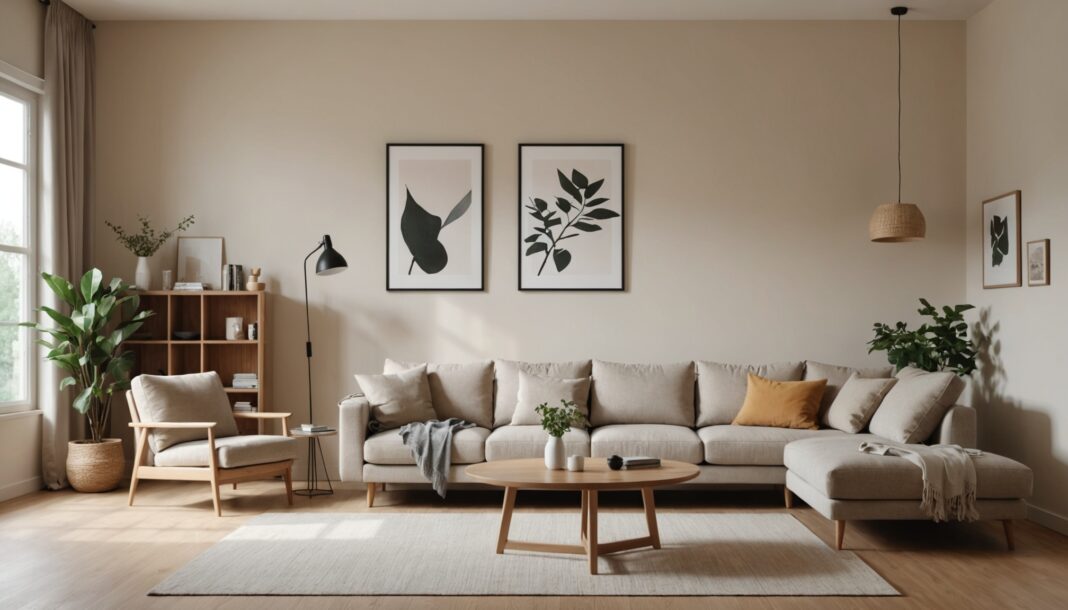

An environmental score will soon accompany furniture sold in France. Sofas, armchairs, beds, tables, and chairs will be the first affected by this label, designed to help buyers compare a piece of furniture's ecological impact before checking out. Here's how it works and what's actually changing for anyone looking to redo their decor.
An Official Tool to Calculate the Score
The calculation method relies on Ecobalyse, a free, public tool run by Ademe (the French environment and energy management agency). Its furniture module, launched in January 2026, makes it possible to model a piece of furniture component by component: materials used, origin, assembly, and estimated lifespan. The calculation is based on a method derived from the European PEF (Product Environmental Footprint) framework, adapted to the sector under the name COSTUMES method, and draws on sixteen different environmental indicators.
In practice, any brand can already enter a piece of furniture's characteristics into Ecobalyse and get a score. What's new is the oversight: until now, each brand communicated however it wanted about how “green” its products were, often without a shared method or any oversight.
Which Furniture Is Covered First
The system starts with the best-selling, most standardized product categories: sofas, armchairs, beds, tables, and chairs. These were the ones used as the basis for the trials run on Ecobalyse before the module opened to the public. Other furniture categories are expected to follow later, once the method has been stabilized for this first scope.
Voluntary in 2026, Regulated After That
In 2026, displaying this score remains voluntary: brands that want to can share their score, but nothing requires them to yet. A regulated display window will nonetheless open at the end of the year, so that companies that choose to participate do so under a standardized framework rather than their own criteria.
The shift toward a mandatory requirement is being rolled out in stages: a decree is expected in the third quarter of 2026 to set the rules, ahead of a display requirement that will then take effect in 2027, or even 2028 depending on the product category. Until then, the label will remain the exception rather than the norm on furniture labels in stores or online.
What This Means for Buyers
- A common basis for comparing two similar pieces of furniture, beyond price or design alone.
- Better visibility into the origin of materials and a product's estimated lifespan.
- A safeguard against vague environmental claims, since the European Empowering Consumers directive, in effect since September 27, 2026, already requires that any environmental claim be documented.
- Still, for now, limited availability: only participating brands will display a score before the requirement takes effect.
For anyone buying today, the approach remains the same as before this label arrived: ask about the origin of the materials and the stated durability, especially for the structural pieces of a thoughtful purchase rather than an impulsive one.
Frequently Asked Questions
Is the environmental score already mandatory?
No. In 2026, displaying it remains voluntary. A decree is expected in the third quarter of 2026 to regulate the method, ahead of a gradual requirement starting in 2027.
Who calculates this score?
Brands themselves, using the public Ecobalyse tool, operated by Ademe, which applies a common method across sixteen environmental indicators.
Will all furniture be covered?
Initially, the system targets sofas, armchairs, beds, tables, and chairs, before a gradual extension to other furniture categories.
Sources
Projet Celsius — Ecobalyse method for furniture
Waro — environmental regulations for furniture 2026
Eco-Impact — environmental labeling for furniture, 2026-2027 horizon
This article was written with the help of artificial intelligence. Editorial policy